
Featured resource
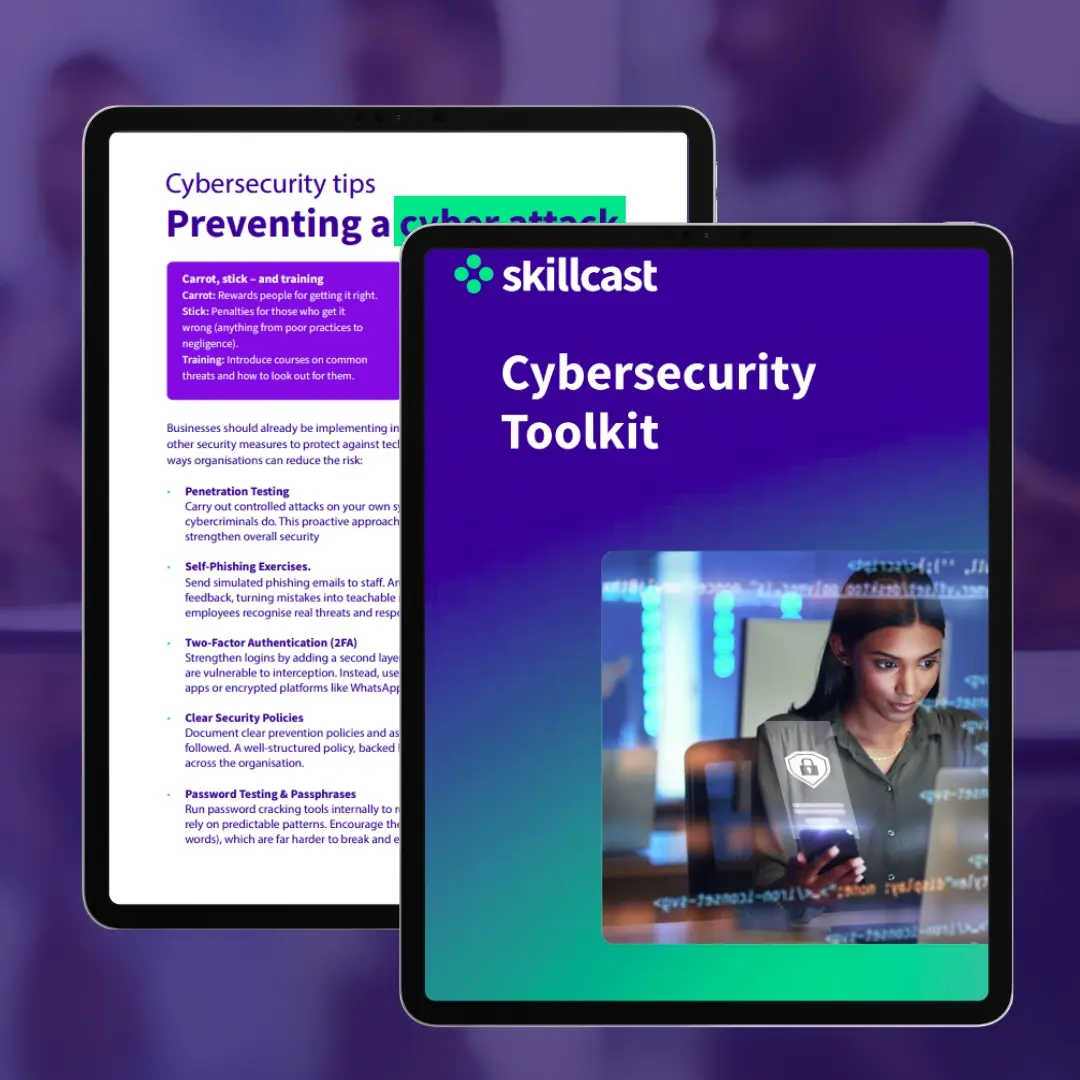
Cybersecurity Toolkit
Why it matters: Cyber threats like phishing, ransomware, and social engineering put every organisation at risk. Technology alone isn’t enough — your people are the first line of defence.
What you get: Staff cybersecurity checklist, phishing prevention guide, PCI DSS essentials, expert FAQs, and practical tips to reduce risk.
Key benefit: Strengthen resilience, embed secure behaviours, and protect your organisation from costly breaches.
What's included
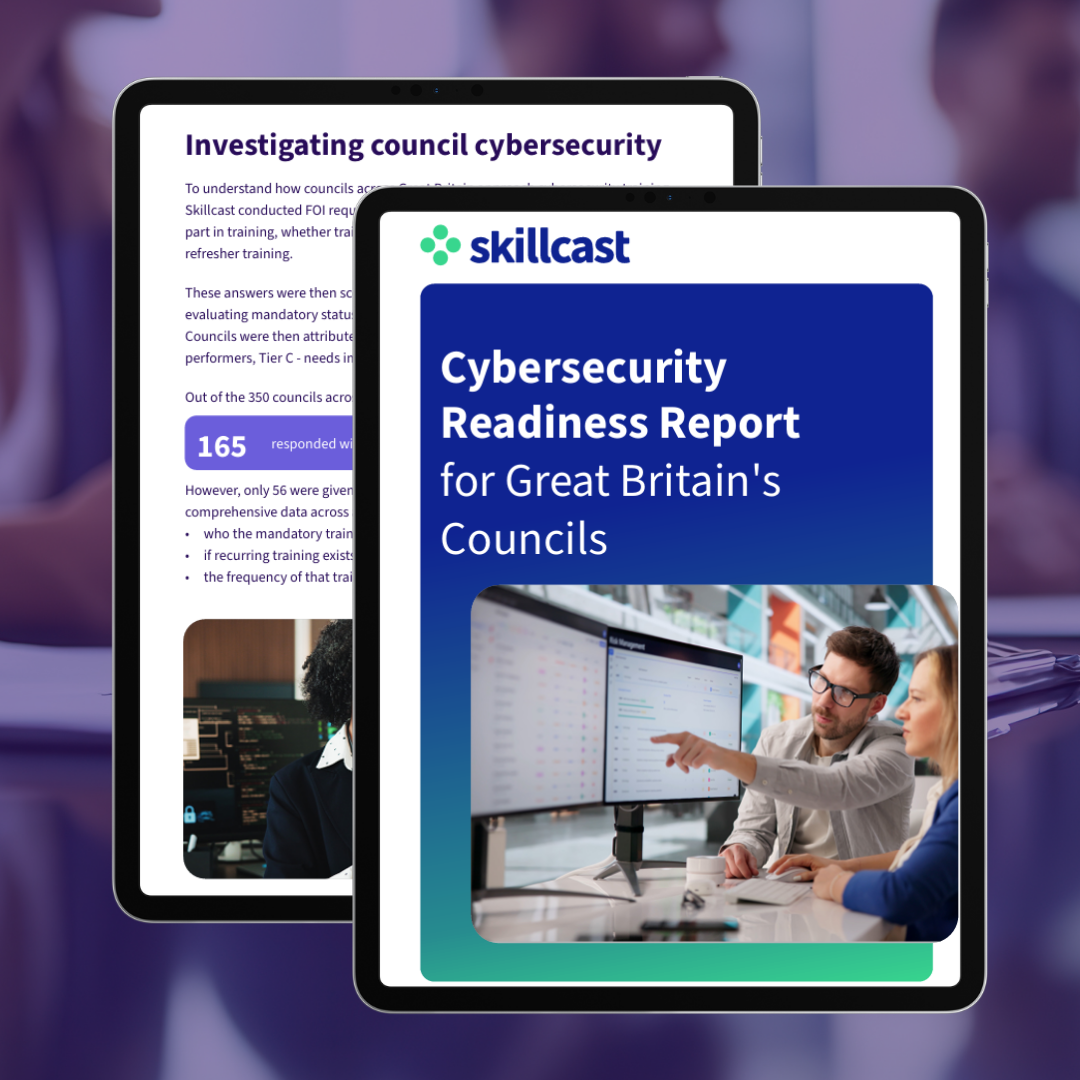
Cybersecurity Readiness Report for Great Britain's Councils
What does it include:
- Guidance on assessing your organisation’s cybersecurity readiness and positioning employee awareness as a core part of your defence against cyber threats.
- Key points for demonstrating the value of cybersecurity training in strengthening human risk management and reducing organisational exposure to breaches.
- Advice on aligning cybersecurity initiatives with wider compliance, IT and HR priorities, and with workplace culture.
- Practical considerations for building a stronger partnership between security, compliance and leadership teams to improve engagement, accountability and outcomes.
Careless Clicks Report
What does it include:
- Survey insights from UK financial services on confidence vs real cyber habits, including risky click behaviour.
- Key findings on weak password practices and gaps in regular cybersecurity training.
- Practical actions organisations can take to close behaviour gaps using training and scenario‑based reinforcement.
- “Test your knowledge” style phishing scenario and a concise action set for teams.
Who's it for?
- CISOs, IT security and operational resilience leaders
- Compliance, conduct risk and culture teams
- Business unit leaders accountable for staff cyber readiness
- L&D teams shaping security training programmes
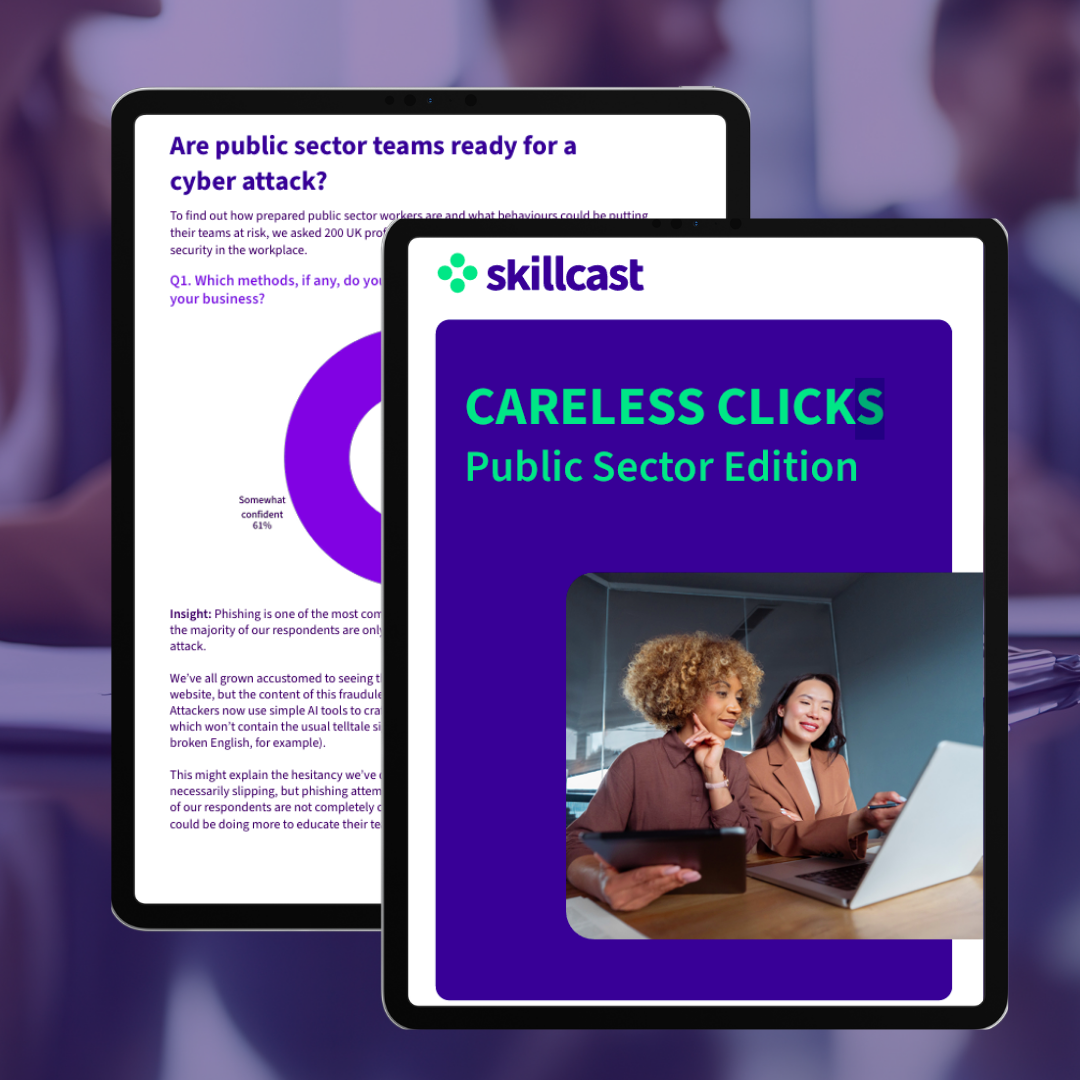
Careless Clicks Report for Public Sector
Why it matters: Public sector data remains under sustained attack, from the Legal Aid Agency breach to fraudulent HMRC rebate claims, yet many employees are only "somewhat" confident spotting an attack. Understanding where awareness gaps lie is essential to protecting citizens' data and trust.
What you get: Original survey findings from 200 UK public sector workers, expert insight from a cybersecurity academic and a Skillcast compliance specialist, and real-world scenarios testing your judgement.
Key benefit: Understand where confidence outpaces vigilance, and how to close that gap across your organisation.
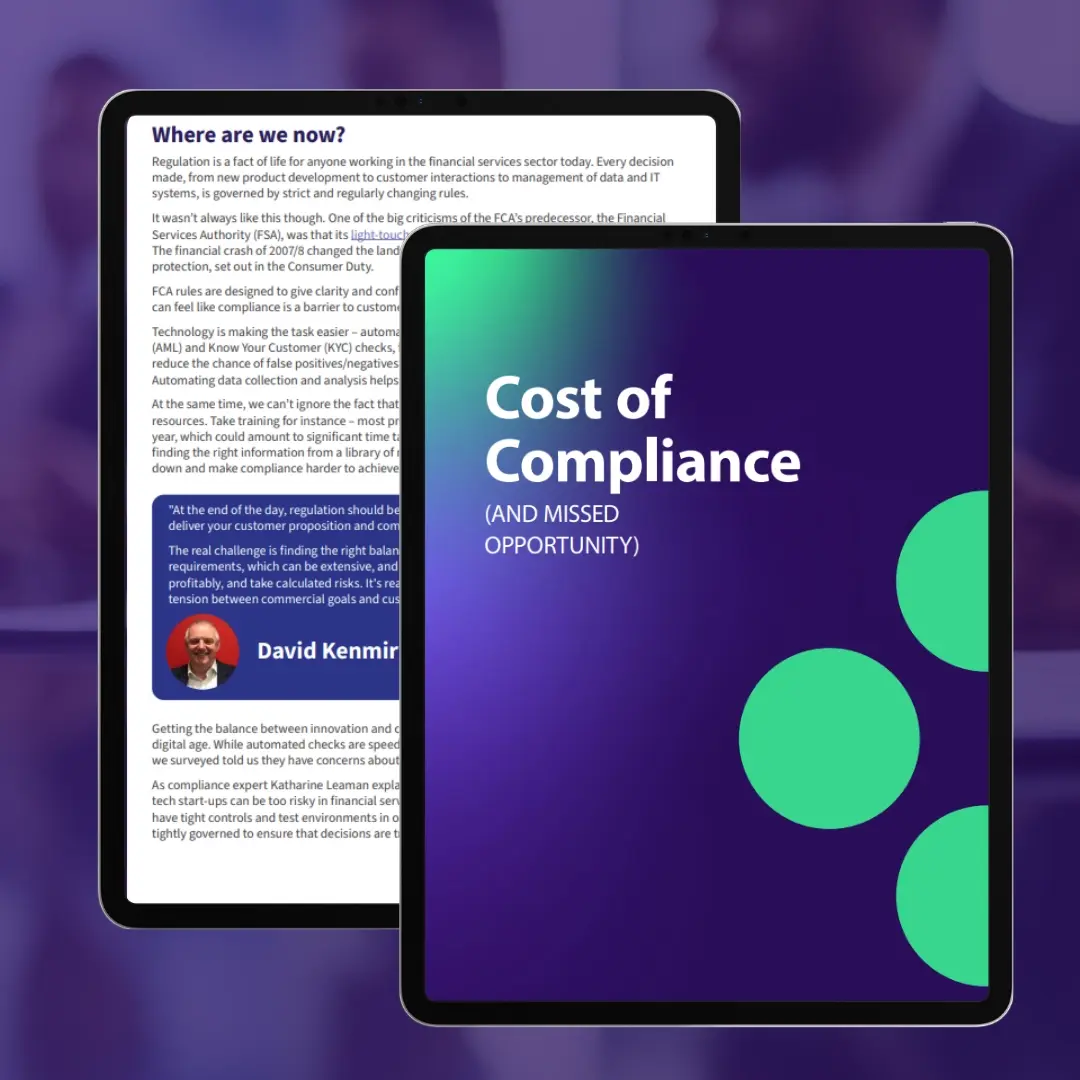
Cost of Compliance Report
Why it matters: Fines hit record levels in 2024, yet many teams still lack executive buy‑in and rely on manual tools that increase risk. Turning compliance into value requires better data, smarter training and stronger culture. [
What you get: Clear arguments, evidence and examples to support investment and modernise training.
Key benefit: A practical narrative to secure sponsorship, reduce remediation costs and lift confidence across customers, investors and staff.
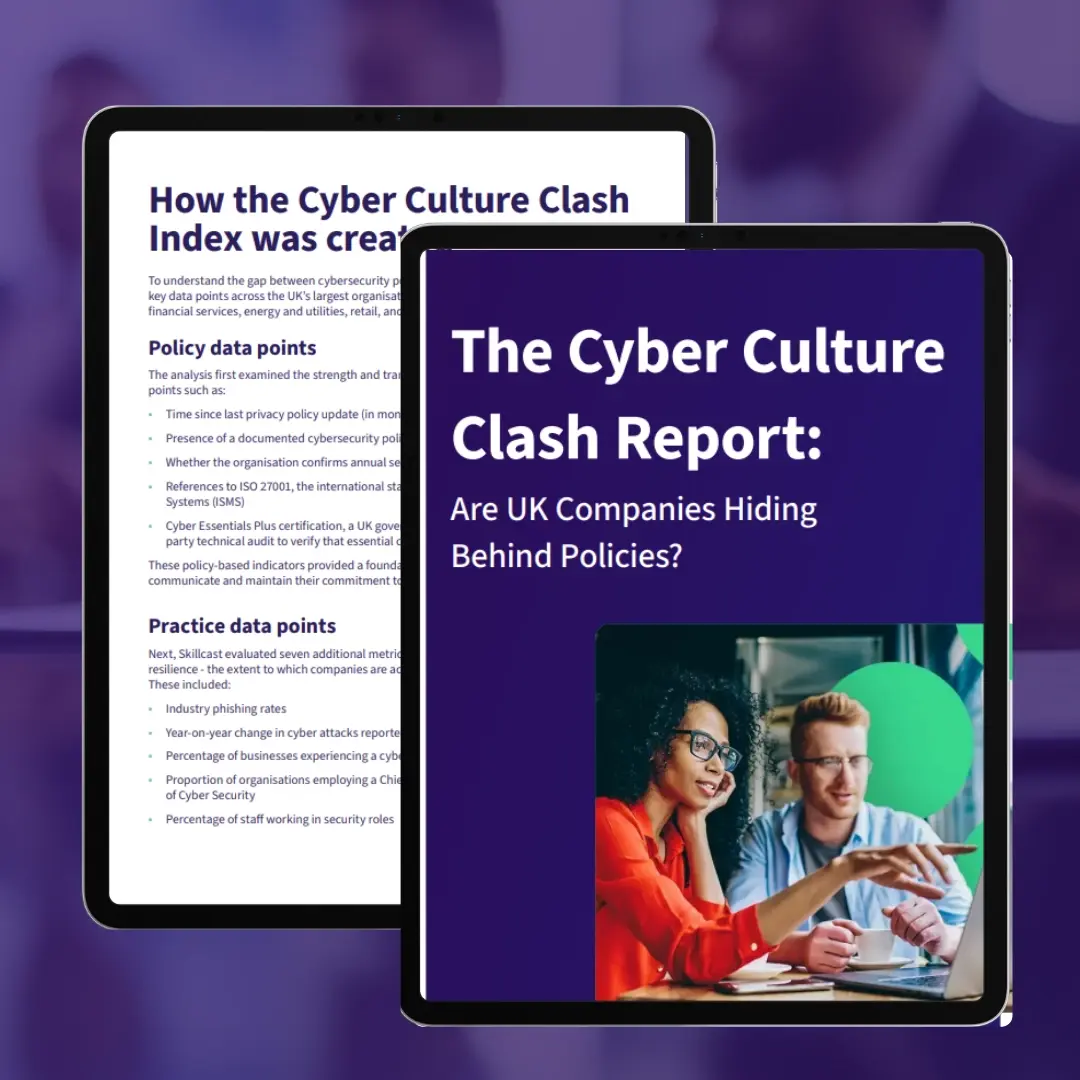
Cyber Culture Clash Index Report
What does it include:
- Analysis of the gap between what organisations say they do on cybersecurity and what happens in practice.
- Findings on where “robust” cyber strategies break down when policies don’t translate into real‑world action.
- Practical insight into how weak cyber culture and insufficient training increase risk — and what stronger organisations do differently.
- Sector comparisons showing where policy and practice are aligned (or misaligned) and what that means for resilience.
Who's it for?
- Senior leaders responsible for cyber resilience and culture
- CISOs, IT and Security leaders
- Compliance, risk and operational resilience teams
- L&D teams supporting security behaviour change
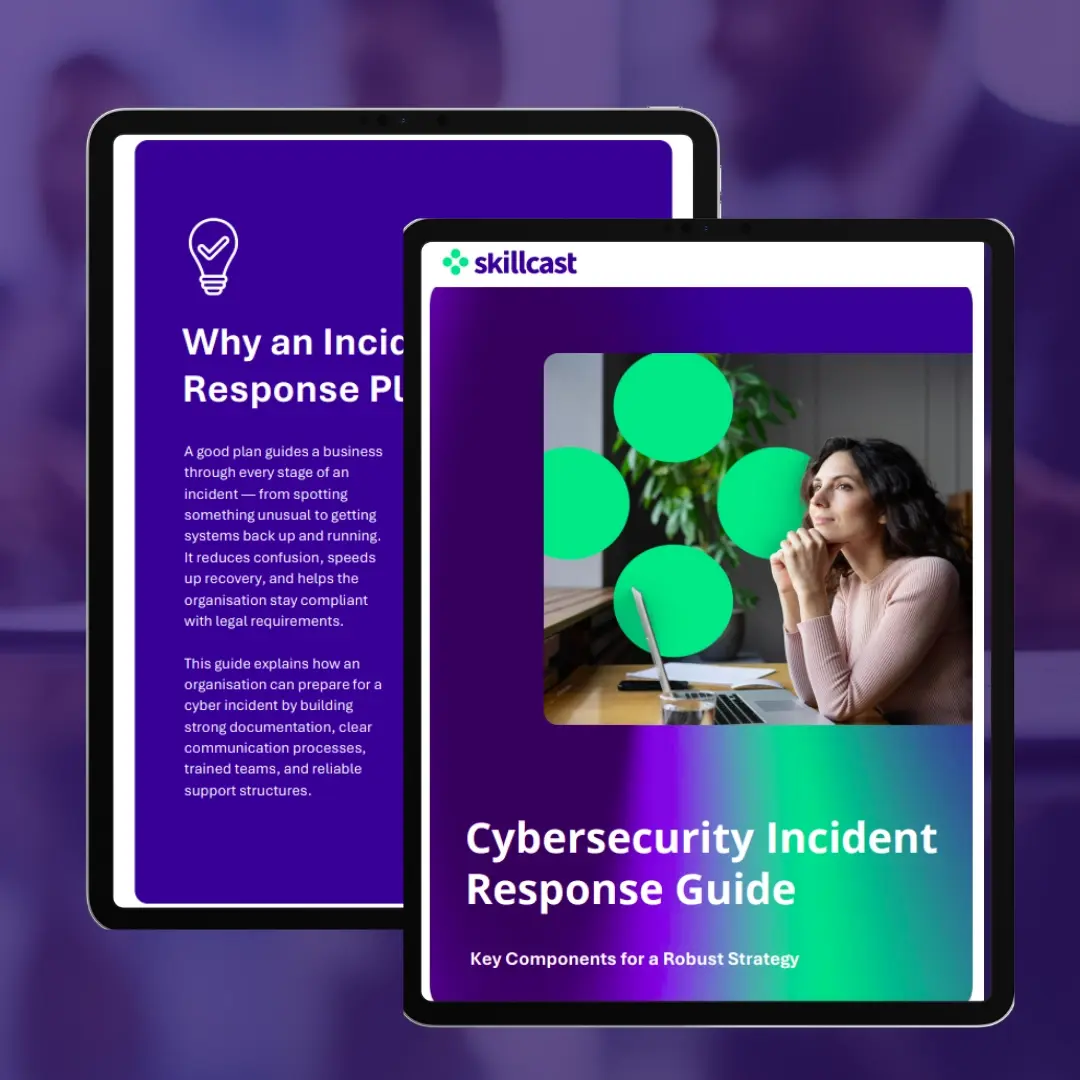
Guide: Cybersecurity Incident Response
What does it include:
- Why a written incident response plan reduces confusion, speeds recovery, and protects evidence during the first critical day
- What good response documentation looks like, including how incidents are detected, who is notified, and how systems are restored
- Practical guidance on strong incident communications and core response lifecycle steps
- The value of tabletop exercises and practice scenarios
- Considerations for external support (e.g., forensics) and meeting legal/regulatory reporting requirements
Who's it for?
- Incident response leads and technical responders
- IT, Security and operational resilience teams
- Legal, compliance and communications stakeholders
- Senior leaders who sponsor incident readiness and recovery
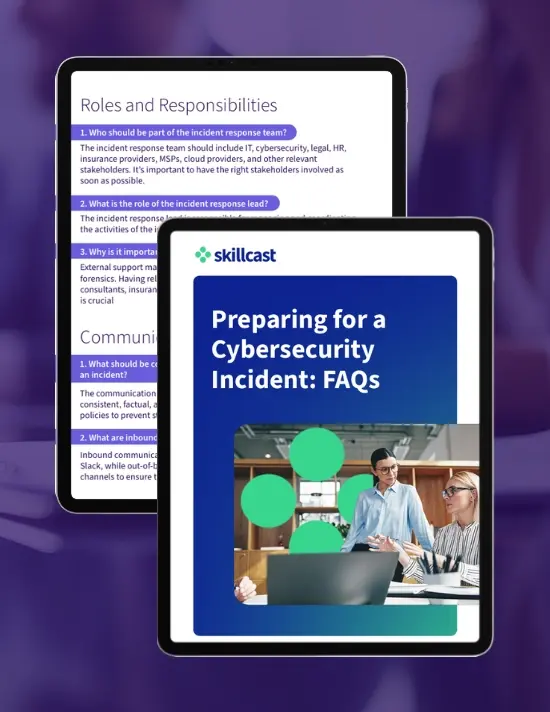
FAQs: Preparing for a Cyber Incident
What does it include:
- Why incident preparedness matters and why the first 24 hours are critical for containment and evidence preservation
- What an incident response plan should include
- Roles and responsibilities across stakeholders
- Guidance on communication during incidents and the importance of pre‑prepared templates
- Training and exercise guidance (tabletop simulations and how often to review/test plans)
- Regulatory considerations and sector expectations, such as FCA reporting for material incidents.
Who's it for?
- IT and Security teams
- Compliance, risk, legal and operational resilience teams
- Incident response leads and crisis comms stakeholders
- Senior leaders accountable for preparedness and governance

Microlearning: Spot a Phishing Attempt
What does it include:
- Analysis of the gap between what organisations say they do on cybersecurity and what happens in practice.
- Findings on where “robust” cyber strategies break down when policies don’t translate into real‑world action.
- Practical insight into how weak cyber culture and insufficient training increase risk — and what stronger organisations do differently.
- Sector comparisons showing where policy and practice are aligned (or misaligned) and what that means for resilience.
Who's it for?
- Senior leaders responsible for cyber resilience and culture
- CISOs, IT and Security leaders
- Compliance, risk and operational resilience teams
- L&D teams supporting security behaviour change
Learn with the Skillcast blog
Best practices, expert opinions, and emerging industry trends — all in one place.

Best Compliance Management Software for UK Firms | Skillcast
11 minute read
Assess regulatory coverage, GDPR workflows, audit evidence, integrations and support. Use this guide to shortlist platforms that fit your organisation.

Why The Rush to Cut Costs is Putting Financial Firms at...
7 minute read
Cheap compliance training can leave financial firms exposed to regulatory risks and reputational damage. Find out why AI-generated courses may fall short of regulatory expectations.