
Explore our content centres
Browse specially collated resources across key compliance topics to support your staff compliance training.
Explore all topics: Artificial Intelligence (AI), Cybersecurity, Employment Rights Act, Fraud Prevention, and Non-Financial Misconduct.
.webp)
Artificial Intelligence (AI) Content Centre
Access our collection of AI resources to help your organisation use artificial intelligence responsibly, reduce risk, strengthen governance, and build confidence in safe AI adoption.
- AI Adoption in The Workplace Report: Insights into workplace AI usage, governance gaps, employee trust, sector benchmarking, and practical considerations for responsible AI adoption.
- Guide: Buy vs Build – How to Choose the Right Compliance Training Approach: A practical guide to evaluating whether to develop compliance training in-house or invest in an external solution, including costs, governance requirements, AI considerations, and long-term sustainability.
- The CFO's AI Training Cost & Risk Checklist: A strategic checklist to help financial decision-makers assess the true costs, risks, governance requirements, and resource implications of implementing AI-enabled compliance training.
- Trusted AI for Staff Compliance: An Essential Guide to Building Effective Training in Regulated Businesses: Guidance on creating trustworthy AI-powered compliance training, balancing automation with human oversight, governance, quality assurance, and regulatory expectations.
- Seminar: AI in Compliance: Moving Beyond the Tick-Box: Expert insights into building AI literacy, fostering responsible adoption, strengthening governance, managing regulatory obligations, and creating a people-first AI strategy.
- The HR & L&D Leader's Essential In-House AI Training Checklist: A practical framework for assessing internal capability, governance, learner engagement, maintenance requirements, and the risks and benefits of managing AI-powered compliance training in-house.
.png)
Cybersecurity Content Centre
Access our collection of cybersecurity resources to help your organisation reduce human risk, strengthen security culture, and improve incident readiness.
-
Cybersecurity Incident Response Guide: A practical approach to documentation, communications, testing and the core response lifecycle.
-
Cyber Culture Clash Index Report: Insights into the gap between cybersecurity policy and real‑world practice, and how to close it.
-
Careless Clicks Report: Survey findings on risky clicks, weak password habits and training gaps — plus practical actions to reduce exposure.
-
Cybersecurity Toolkit: Checklists, phishing red flags, FAQs and training guidance to embed secure behaviours across teams.
-
Microlearning: Spot a Phishing Attempt: How to spot phishing indicators, verify safely, and escalate quickly if unsure or compromised.
-
FAQs: Preparing for a Cybersecurity Incident: What a strong response plan should include, roles & comms, exercises, and key regulatory considerations.
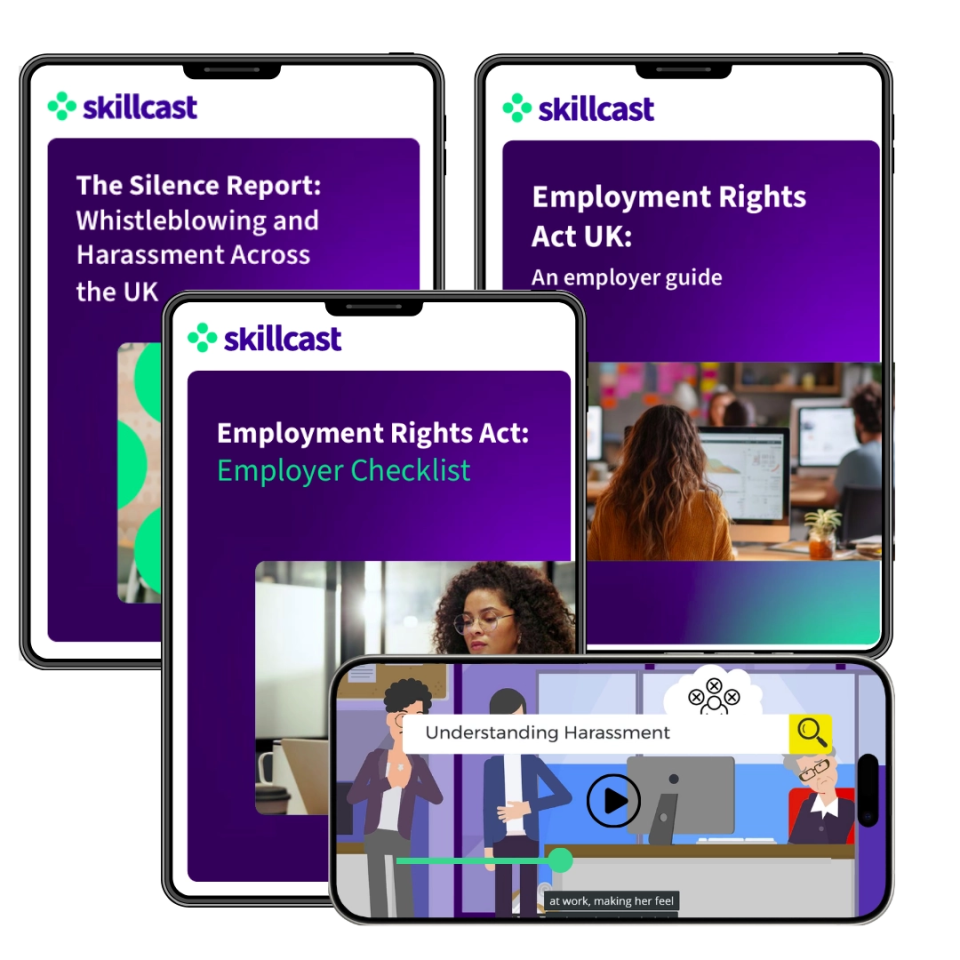
Employment Rights Act Content Centre
Access our collection of ERA‑focused resources to help your organisation meet the new prevention and accountability standards.
- ERA Employer Guide: Key changes and prevention duties under ERA 2025
- ERA Employer Checklist: Clear steps to evidence compliance in practice
- The Silence Report: UK‑wide whistleblowing and harassment insights
- Understanding Harassment: Microlearning training aligned to ERA’s prevention standard
.png)
Fraud Prevention Content Centre
Access resources from compliance insights to practical tools, guides, and reports designed to help your organisation prevent fraud.
- Seminar: Inside the Mind of a Fraudster featuring Alex Wood (BBC Scam Secrets)
- Understanding Fraud Compliance (EU): Microlearning training available in multiple languages
- Fraud Prevention Guide: Practical steps to strengthen controls and improve fraud awareness
- Social Engineering and Fraud Risk: How evolving scams, deepfakes, and new EU regulations are reshaping fraud risk
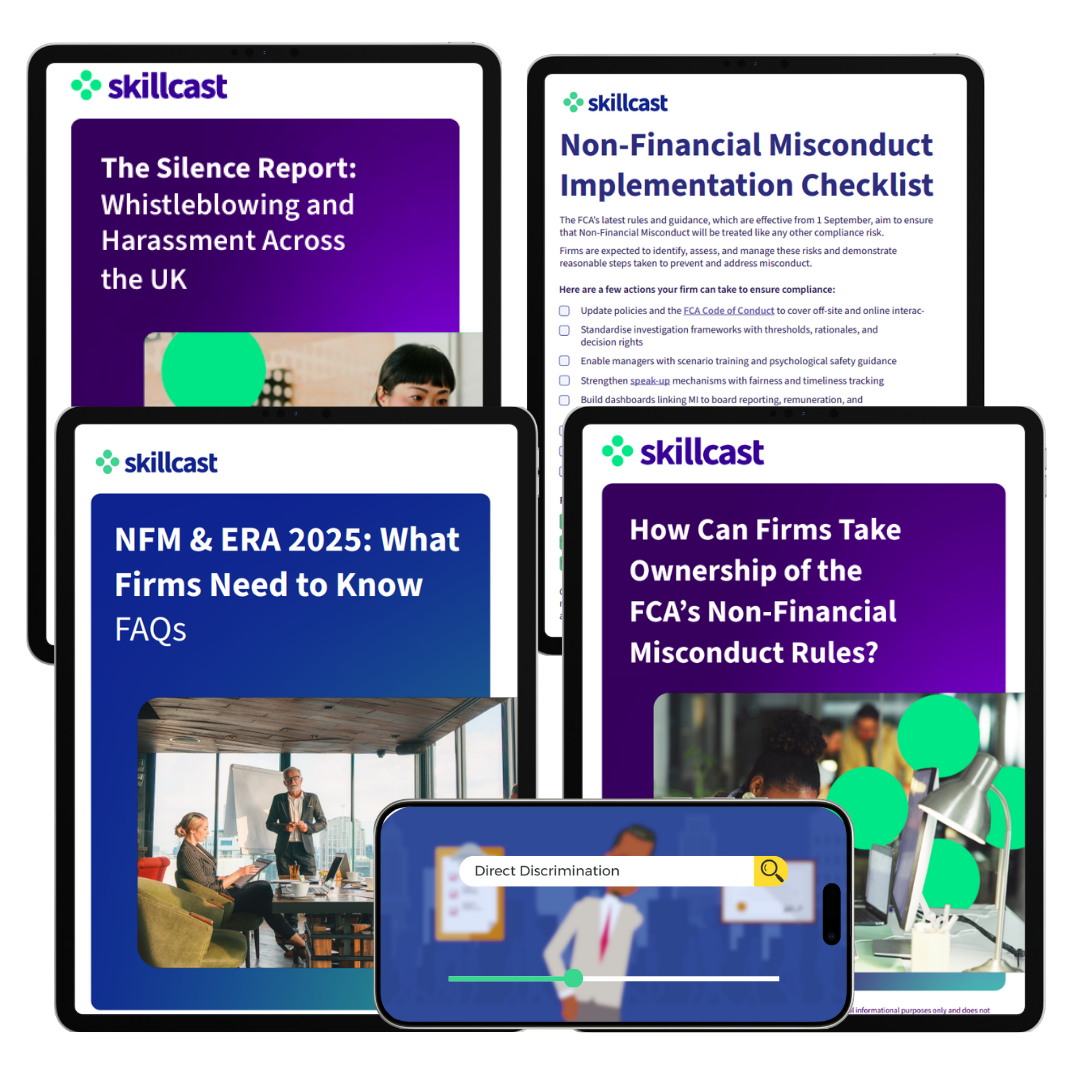
Non-Financial Misconduct Content Centre
Access our collection of Non-Financial Misconduct (NFM) resources to help your organisation strengthen workplace culture, improve reporting confidence, and prepare for evolving FCA and Employment Rights Act requirements.
-
The Silence Report: Research into whistleblowing and sexual harassment reporting across UK organisations, highlighting gaps between rising workplace concerns and formal internal disclosures.
-
FCA NFM Rules E-book: A practical guide to the FCA's Non-Financial Misconduct requirements, including governance, accountability, investigations, record-keeping and the Five Ps framework for implementation.
-
NFM Implementation Checklist: A concise action checklist covering policies, training, investigations, speak-up processes, governance and oversight to support NFM readiness.
-
NFM & ERA 2025 FAQs: Answers to common questions on FCA Non-Financial Misconduct expectations, Employment Rights Act changes, investigations, documentation, culture and senior management responsibilities.
-
Microlearning: Direct Discrimination: An introduction to direct discrimination under the Equality Act, including protected characteristics, discrimination by perception and association, and how to recognise and report discriminatory behaviour.
See our training in action
Experience a sample of our in-depth courses and microlearning modules across key compliance topics. All course content can be used on desktop, tablet, and mobile.
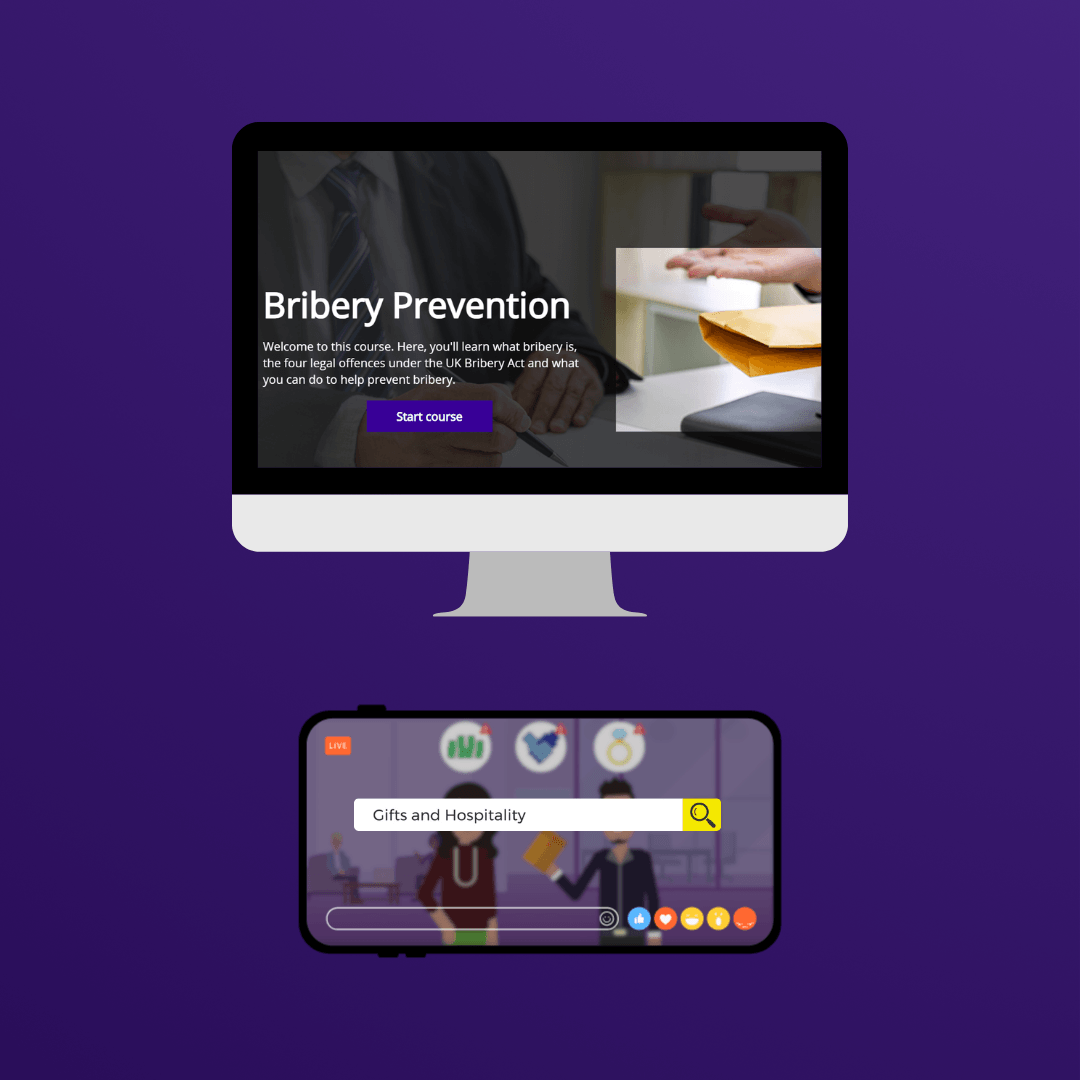
Bribery Prevention
What's included
Included in the in-depth module (preview)
-
What bribery is
-
The four legal offences under the UK Bribery Act
-
What you can do to help prevent bribery
Included in the microlearning module
-
Understand why gifts and hospitality carry bribery risks
-
Apply key tests to assess whether gifts or hospitality are appropriate
-
Recognise situations that require disclosure or refusal
-
Understand their responsibility to register reportable gifts and hospitality
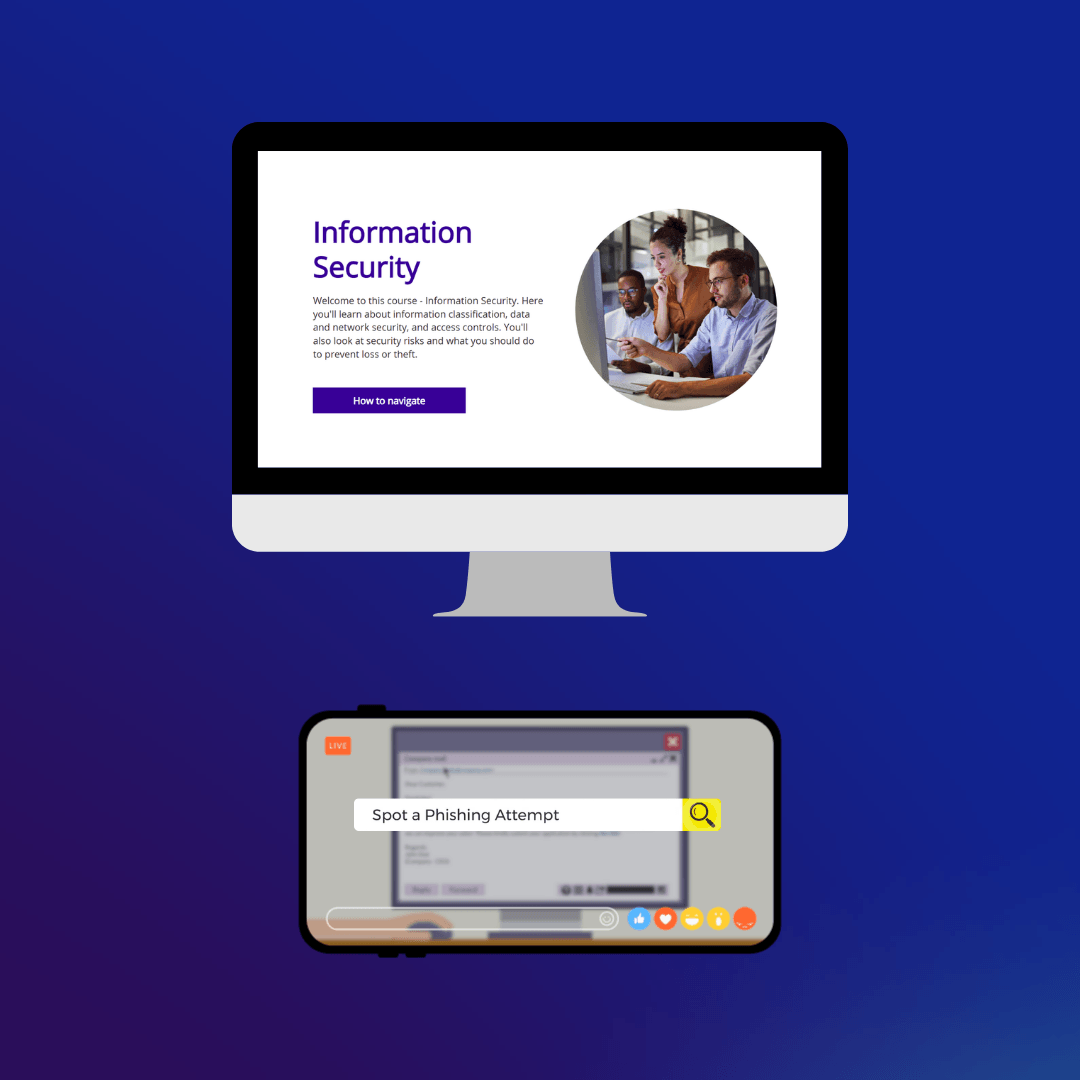
Cybersecurity
What's included
Included in the in-depth module (preview)
-
Information classification
-
Data and network security, and access controls
-
Security risks and what you should do to prevent loss or theft
Included in the microlearning module
-
Understand what phishing is and why it poses a risk
-
Identify common phishing tactics and warning signs
-
Know how to respond safely to suspicious emails
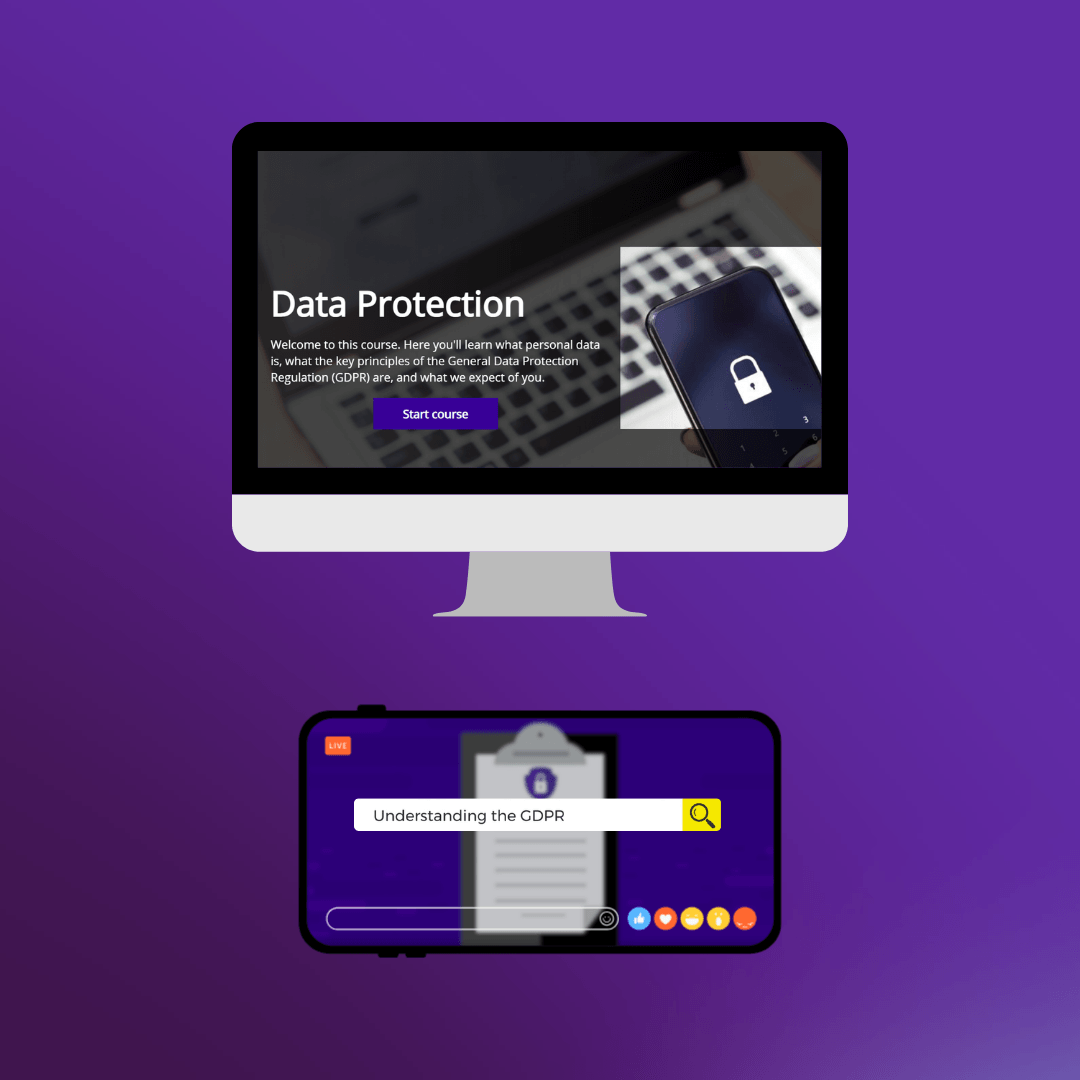
Data Protection
What's included
Included in the in-depth module (preview)
-
What personal data is
-
What are the key principles of the General Data Protection Regulation (GDPR)
-
What is expected of you
Included in the microlearning module
-
Understand what personal data is and how it is processed
-
Recognise the seven key GDPR principles
-
Appreciate why data protection matters beyond financial penalties
-
Know where to go for guidance or support on GDPR issues

DEI
What's included
Included in the in-depth module (preview)
-
Commitment to equality
-
The steps you should take to prevent discrimination
-
Harassment in various aspects of business
Included in the microlearning module
-
Understand the protected characteristics under the Equality Act
-
Recognise what discrimination looks like at work
-
Understand their responsibility to treat others fairly and respectfully
-
Know how and when to report concerns

ESG
What's included
Included in the in-depth module (preview)
-
What ESG is
-
How it relates to investors, regulators and the company
Included in the microlearning module
-
Understand what Environmental, Social and Governance mean
-
Recognise why investors and regulators focus on ESG
-
Identify examples of good ESG practices
-
Appreciate how ESG influences organisational strategy and culture
Failure to Prevent Fraud
What's included
Included in the in-depth module (preview)
- How fraud committed by employees, agents, subsidiaries, or associated persons when intended to benefit the company or clients creates legal risks
- How to recognise and prevent fraud in your role
Included in the microlearning module
- Understand the offence of failure to prevent fraud
- Recognise the six principles of effective fraud prevention
- Identify common fraud risk factors and warning signs
- Appreciate their role in preventing and reporting fraud

Financial Crime
What's included
Included in the in-depth module (preview)
- Money laundering and terrorist financing
- The negative impact on society
- How to identify and combat them
Included in the microlearning module
- Understand what sanctions are and why they exist
- Recognise how sanctions can affect everyday business activity
- Identify potential sanctions red flags
- Know when and how to raise concerns
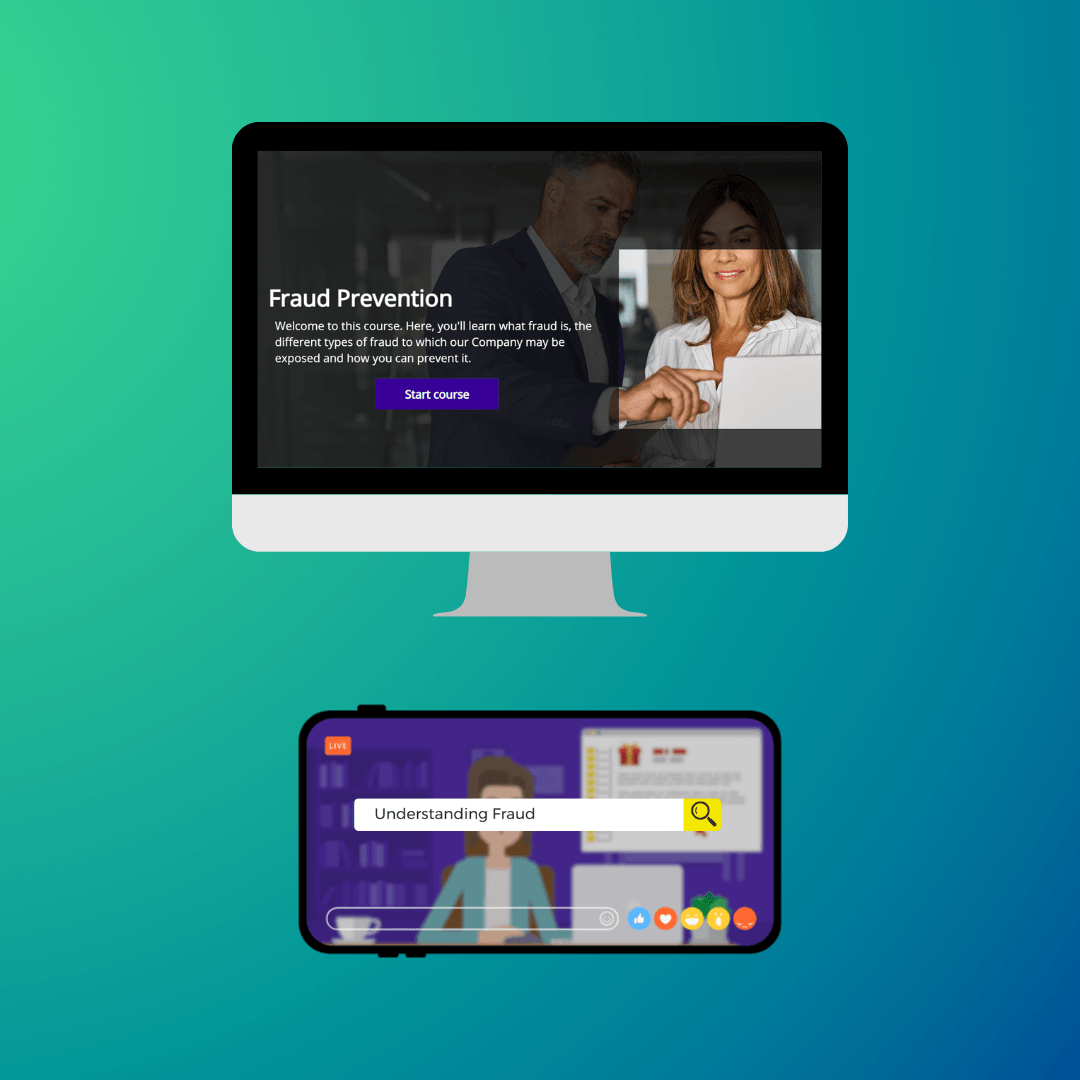
Fraud Prevention
What's included
Included in the in-depth module (preview)
- What is fraud?
- The different types of fraud to which the company may be exposed
- How you can prevent it
Included in the microlearning module
- Understand what fraud is and the elements that define it
- Recognise common types of fraud, including non-financial fraud
- Appreciate the real impact fraud has on individuals and organisations
- Know how and where to report suspected fraud
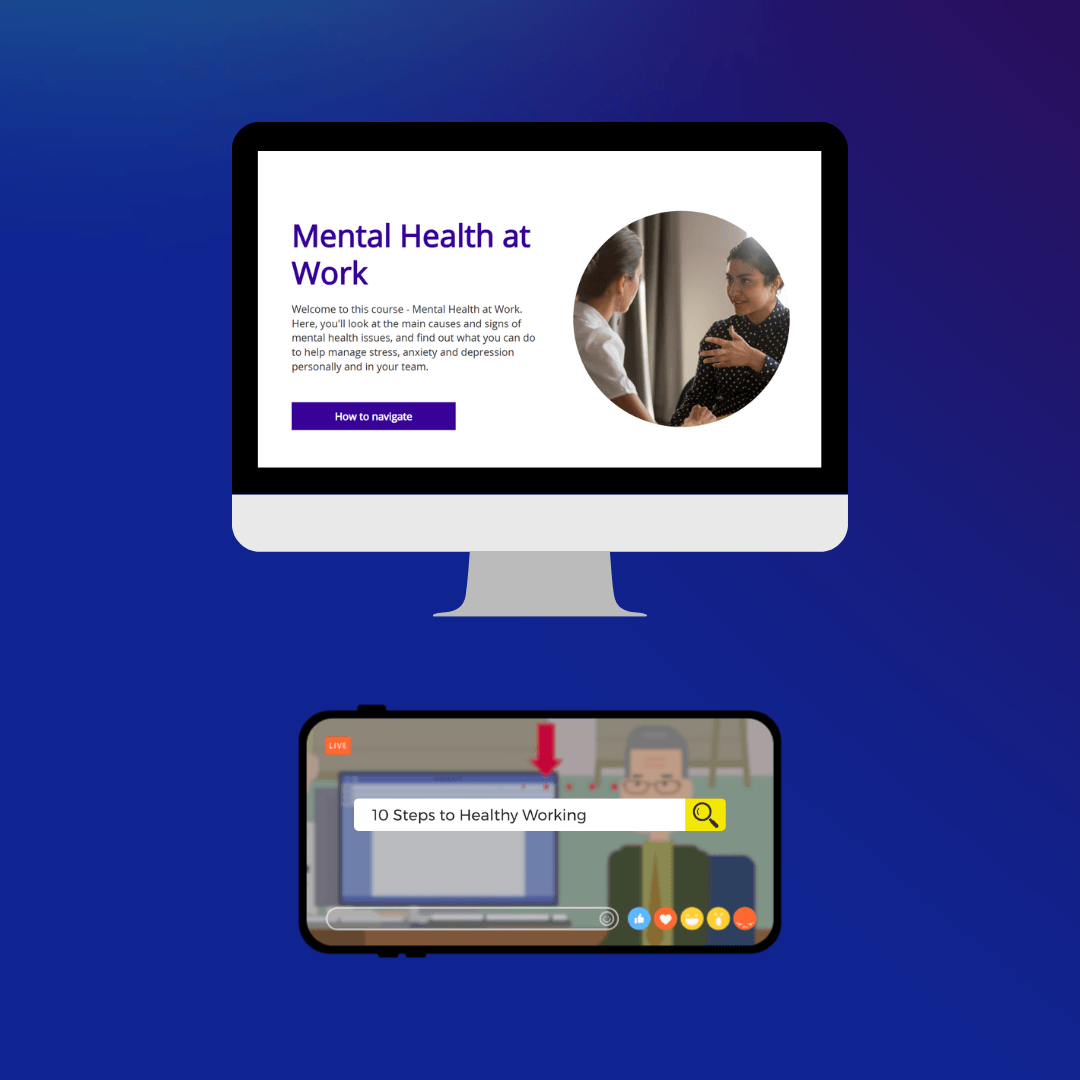
Health & Safety
What's included
Included in the in-depth module (preview)
- The main causes and signs of mental health issues
- What you can do to help manage stress, anxiety and depression personally and in your team
Included in the microlearning module
- Understand key risks to physical and mental health at work
- Apply practical steps to improve posture, ergonomics and comfort
- Recognise the importance of managing stress and taking breaks
- Know when and how to seek support
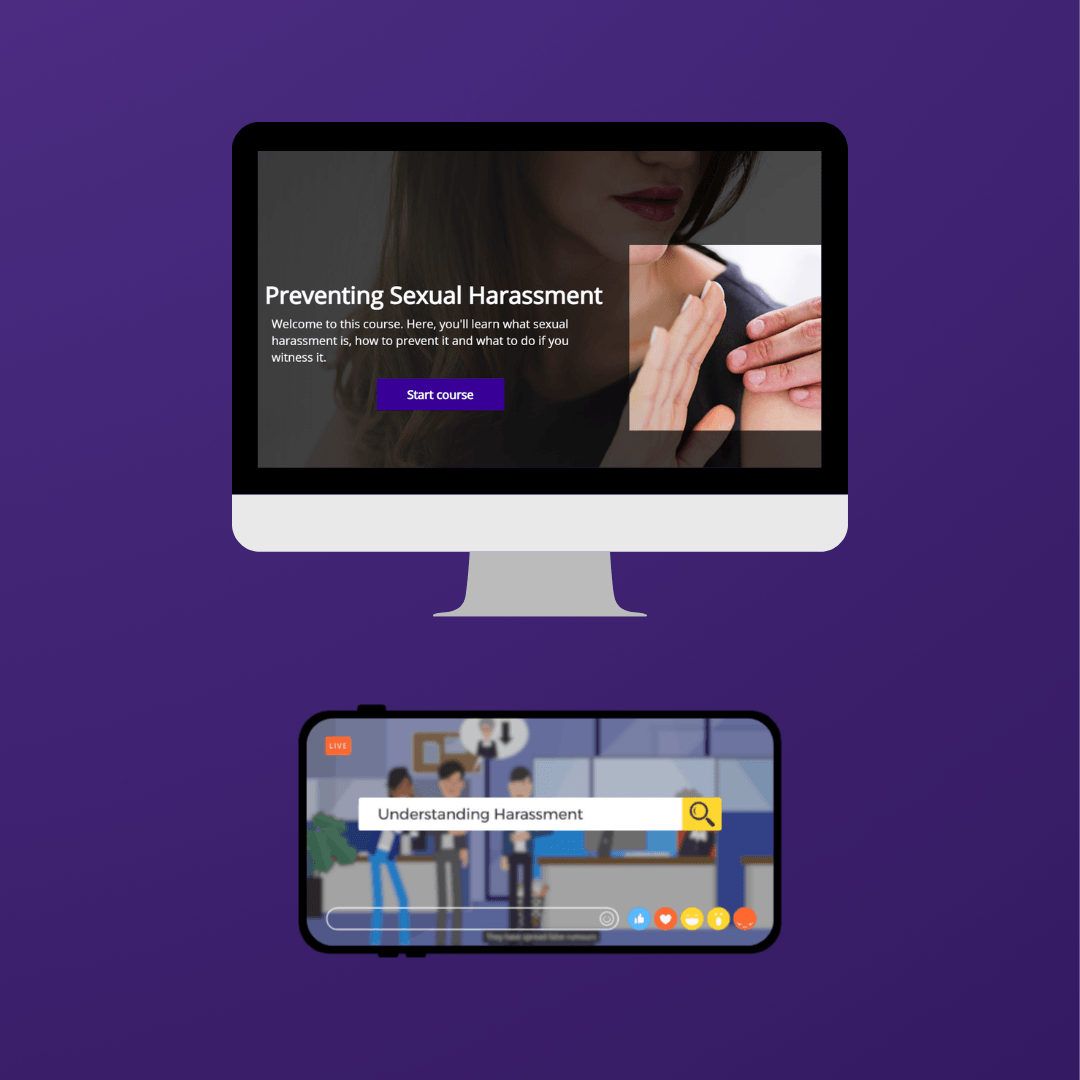
Preventing Harassment
What's included
Included in the in-depth module (preview)
- What sexual harassment is
- How to prevent it
- What to do if you witness it
Included in the microlearning module
- Understand what constitutes harassment
- Recognise the different forms harassment can take
- Appreciate that intent is not required for behaviour to be harassment
- Know how and when to report harassment concerns
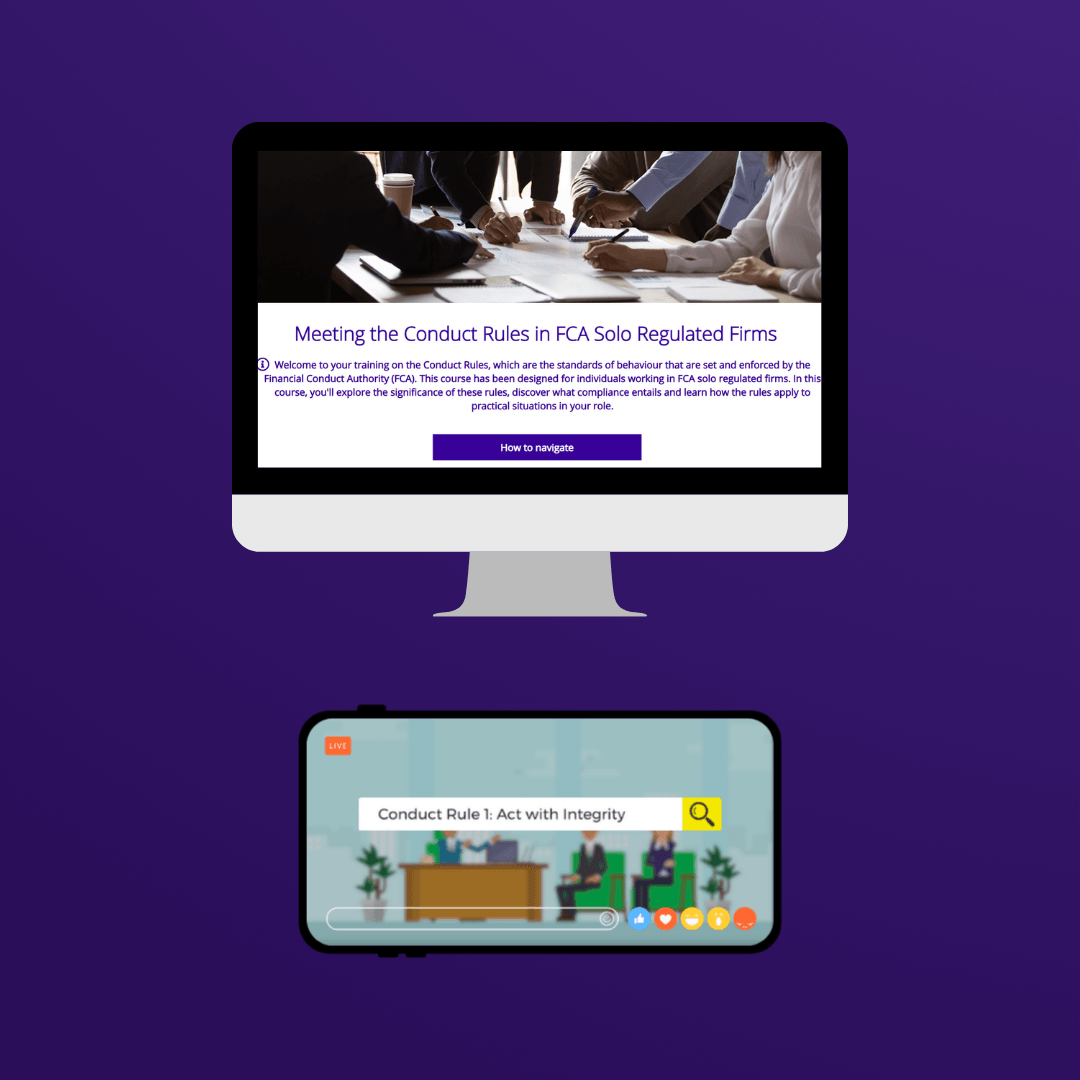
Senior Managers & Certification Regime
What's included
Included in the in-depth module (preview)
- Explore the significance of the rules for individuals working in FCA solo-regulated firms and what compliance entails
- How the rules apply to practical situations in your role
Included in the microlearning module
- Understand what the FCA means by acting with integrity
- Recognise behaviours that breach Conduct Rule 1
- Appreciate the consequences of failing to act with integrity
- Apply integrity-led decision-making in their role
Explore our guides
Review our collection of guides across key compliance topics and compliance e-learning insights.
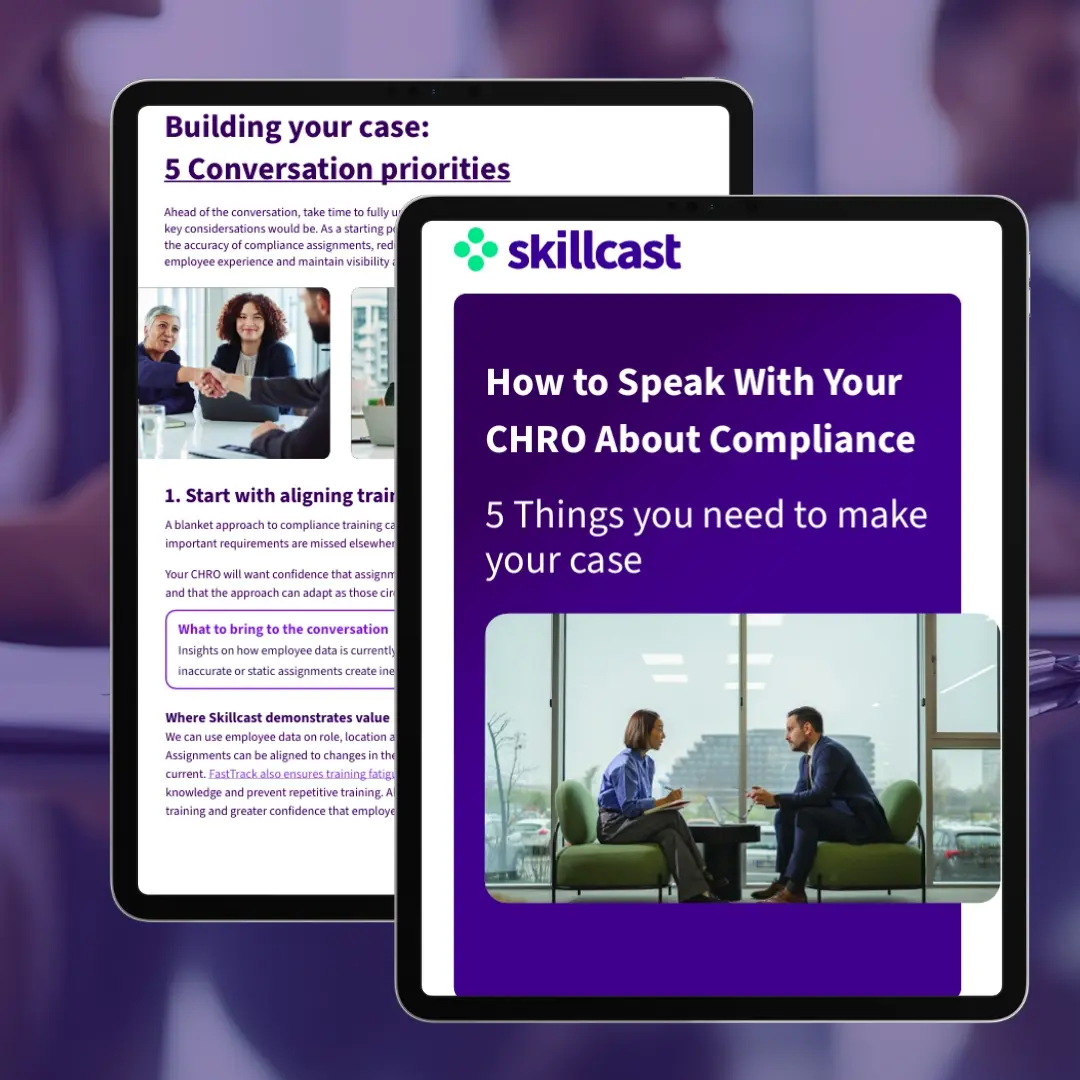
Guide: How to Speak With Your CHRO About Compliance
What does it include:
- Guidance on engaging your CHRO to position compliance as a people, culture and business priority.
- Key points for demonstrating the value of compliance training in building employee awareness and reducing organisational risk.
- Advice on aligning compliance initiatives with HR priorities, employee development and workplace culture.
- Practical considerations for building a stronger partnership between HR and compliance to improve engagement, accountability and outcomes.
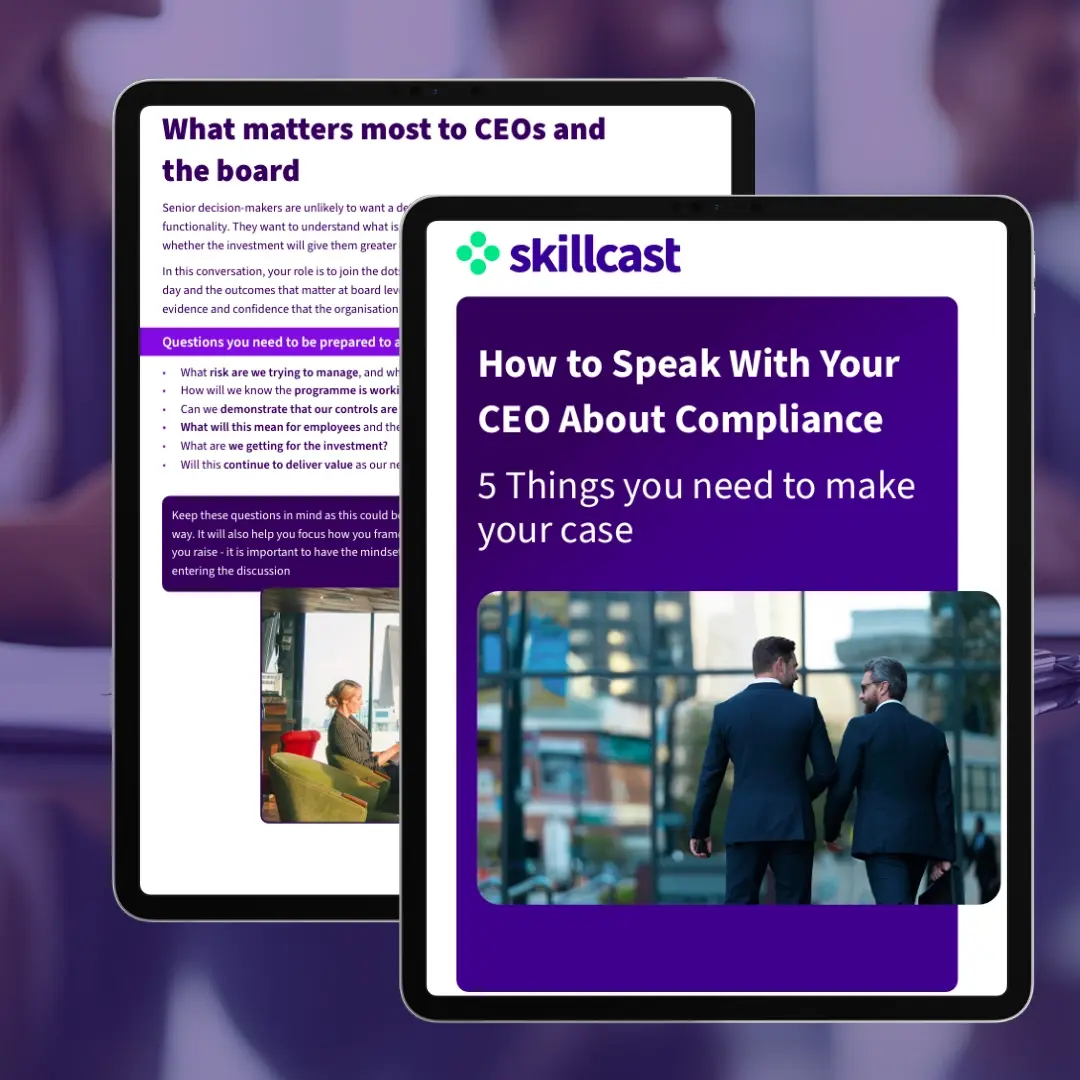
Guide: How to Speak With Your CEO About Compliance
What does it include:
- Questions to help frame compliance around the risks the organisation needs to manage and the consequences of not doing so.
- Guidance on demonstrating how compliance requirements are communicated, followed and acted upon.
- Considerations for helping employees understand what is expected of them and how requirements apply to their roles.
- Guidance on improving visibility, accountability and decision-making around compliance.
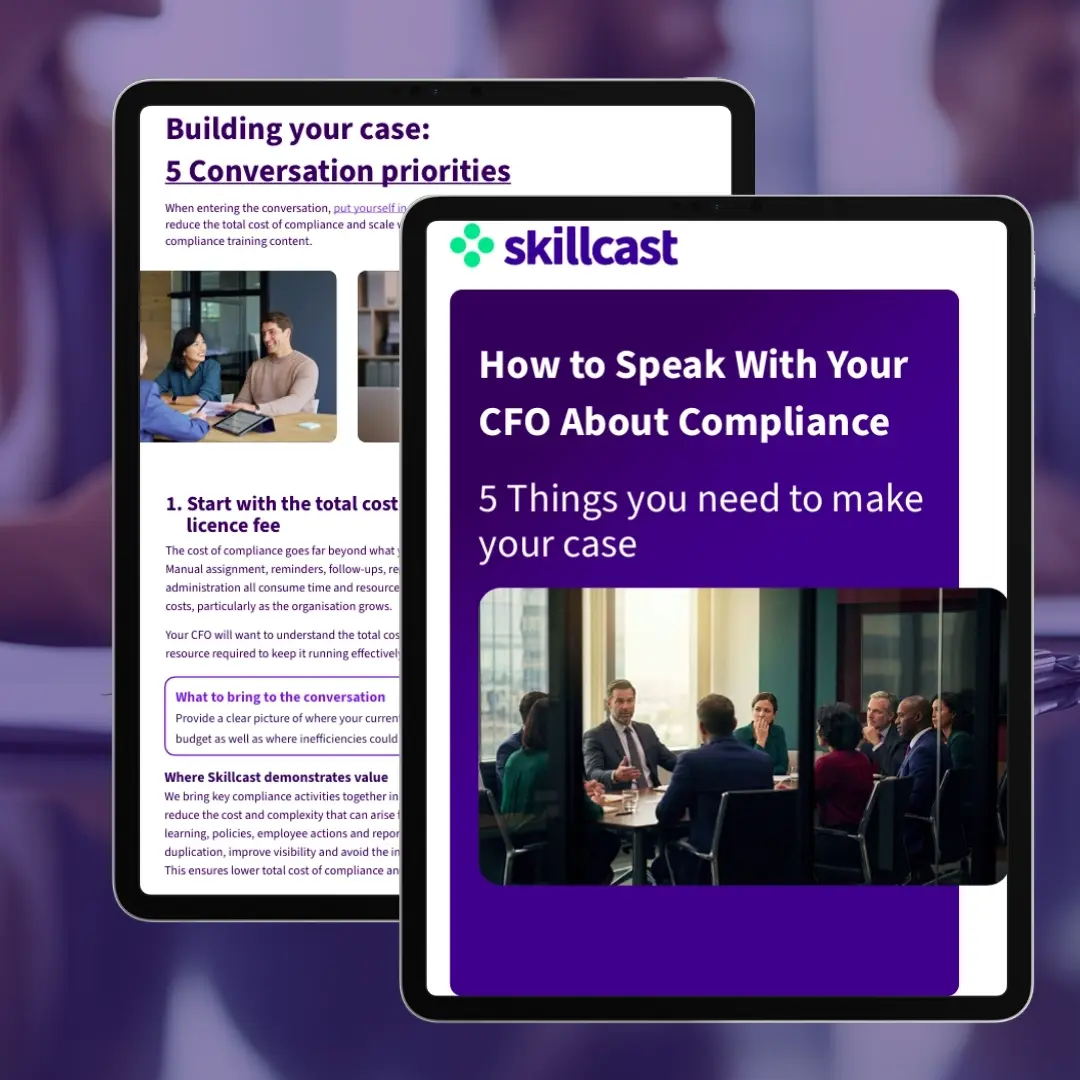
Guide: How to Speak With Your CFO About Compliance
What does it include:
- Questions to help frame compliance in financial terms around risk, costs and the potential consequences of non-compliance.
- Guidance on demonstrating the business value of compliance and how effective programmes can support financial and operational goals.
- Considerations for measuring compliance performance through meaningful data, reporting and metrics.
- Guidance on building a stronger business case for compliance investment and securing CFO support.
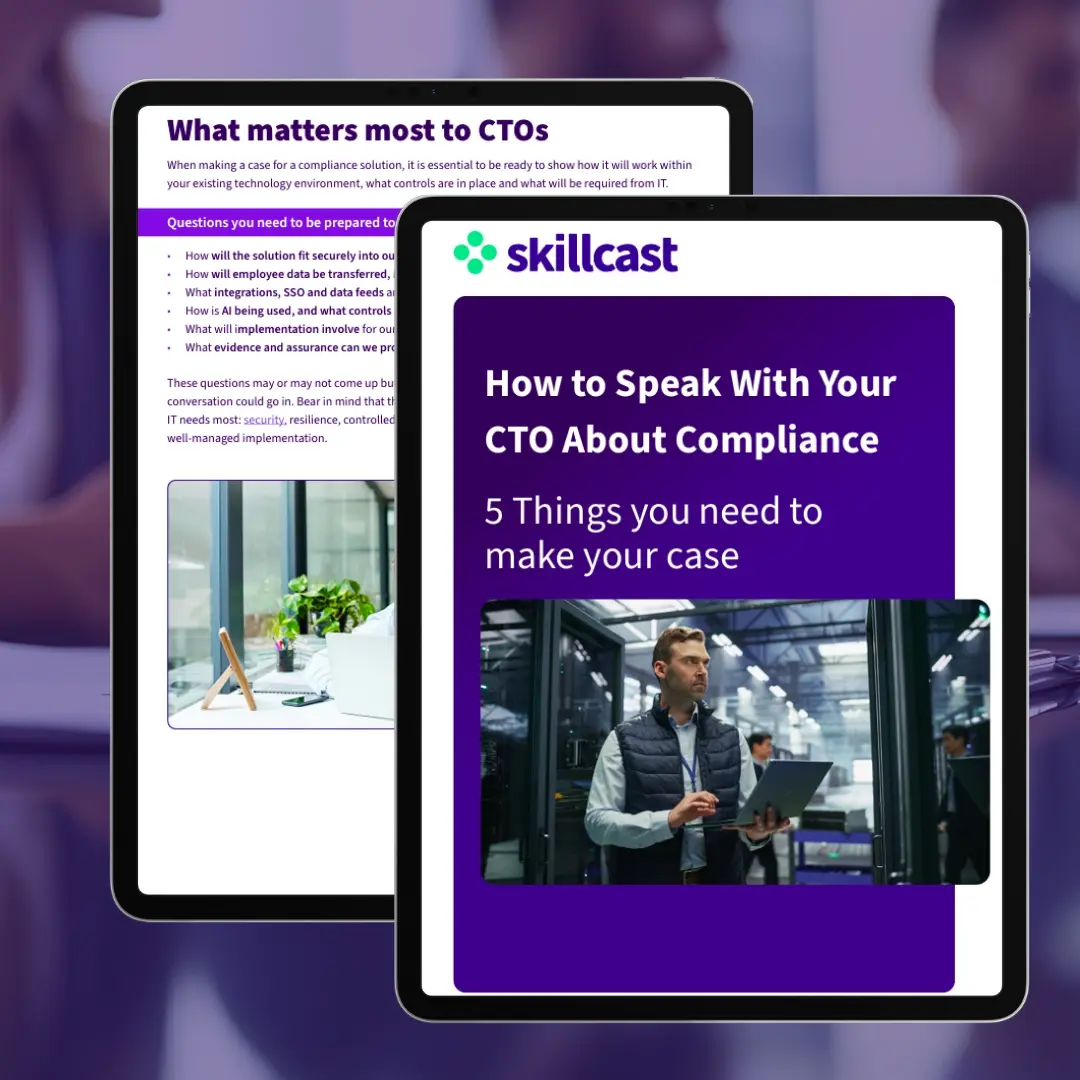
Guide: How to Speak With Your CTO About Compliance
What does it include:
- Questions to help address CTO priorities around security, data protection, resilience and governance.
- Guidance on demonstrating how a compliance solution can integrate with existing systems, including SSO and data feeds.
- Considerations for introducing AI responsibly, including appropriate controls, approved use cases and human oversight.
- Guidance on planning implementation effectively while minimising technical complexity and avoiding unnecessary technology debt.
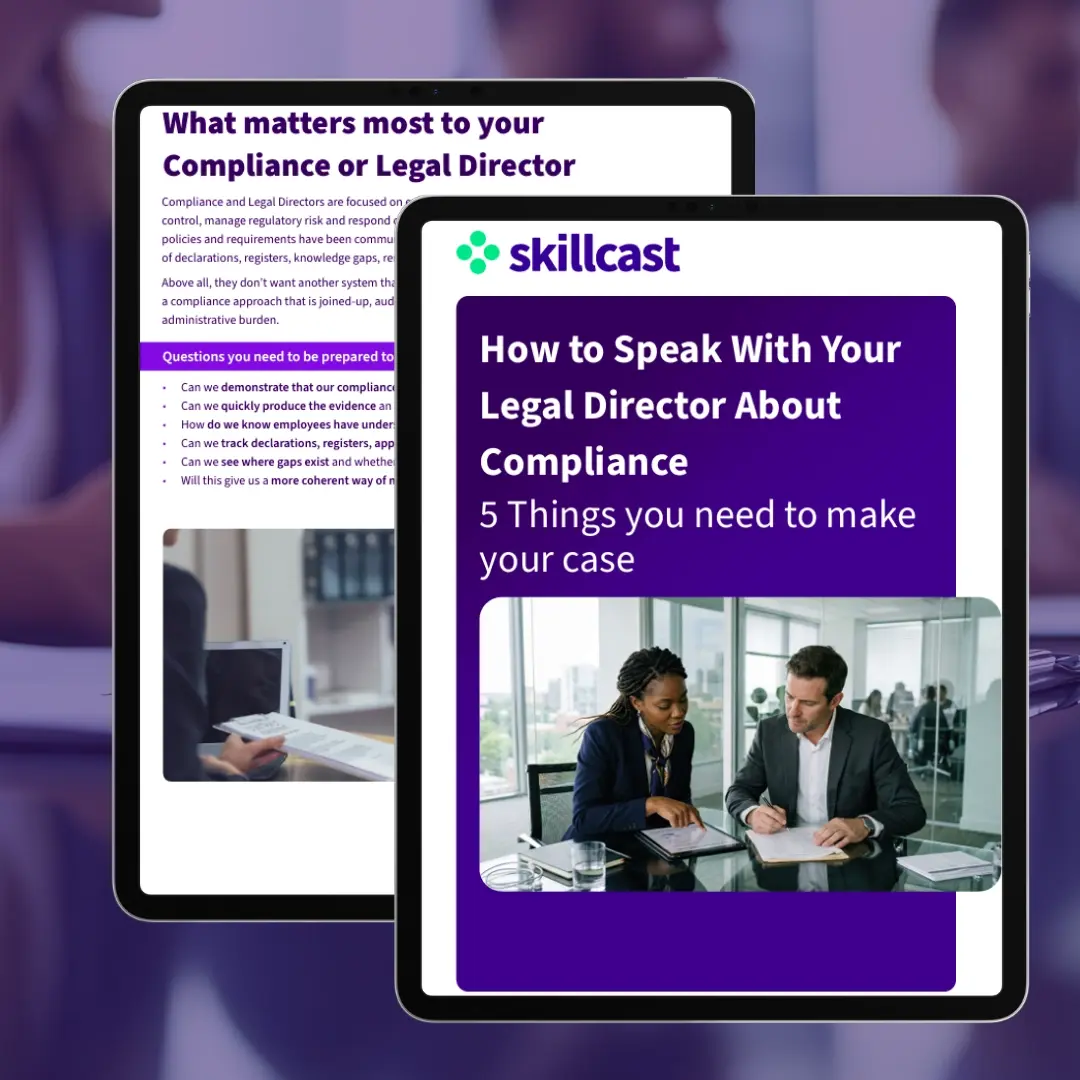
Guide: How to Speak With Your Legal Director About Compliance
What does it include:
- Questions to help align compliance priorities with the organisation’s legal and regulatory obligations.
- Guidance on identifying and managing compliance risks across the organisation.
- Considerations for improving compliance processes through clear ownership, communication and accountability.
- Guidance on using data and reporting to support better oversight, decision-making and continuous improvement.
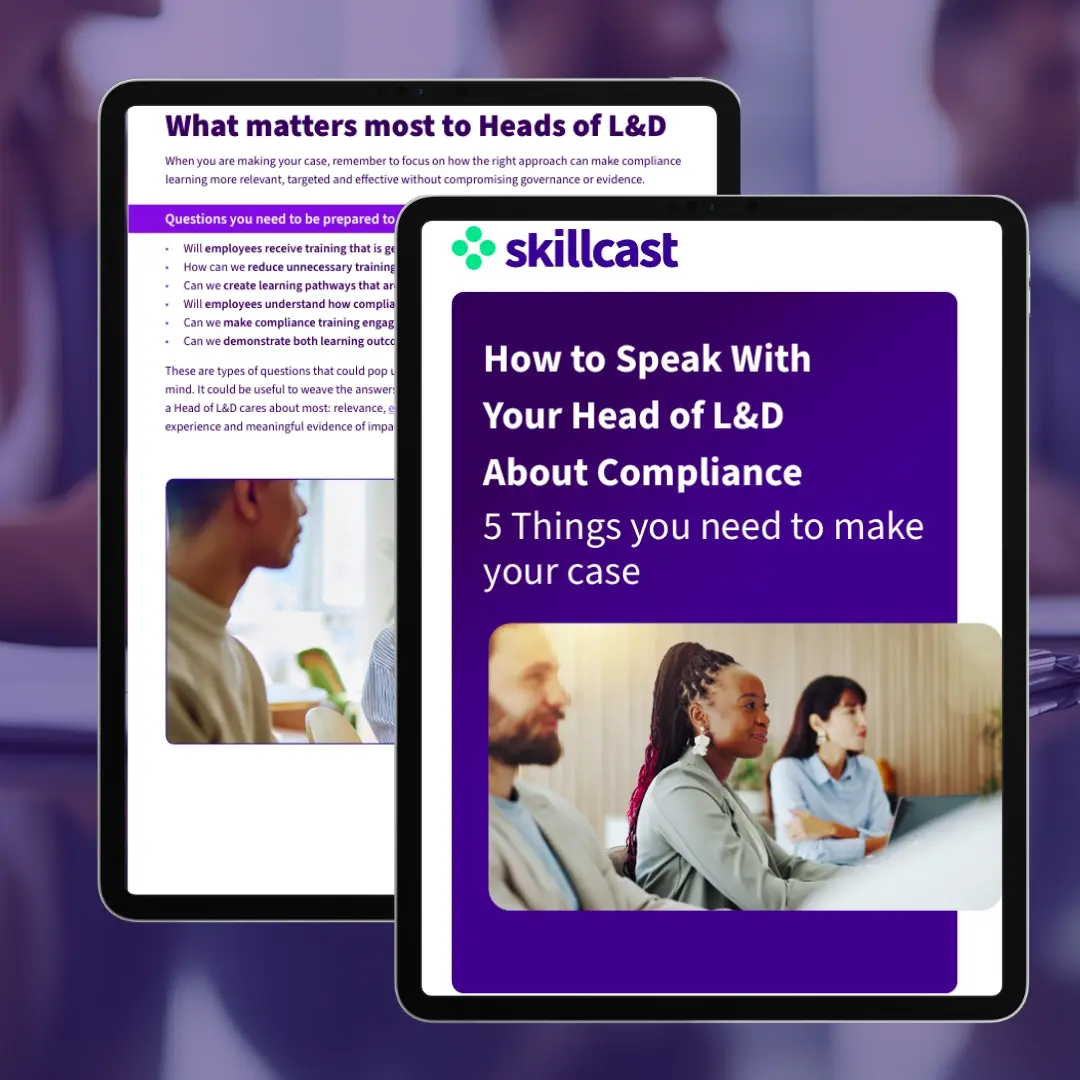
Guide: How to Speak With Your Head of L&D About Compliance
What does it include:
- Questions to help align compliance training with wider learning and development priorities and organisational goals.
- Guidance on making compliance training more engaging and relevant to employees and their roles.
- Considerations for using data and insights to identify learning needs and measure training effectiveness.
- Guidance on improving collaboration between compliance and L&D to support a consistent, effective learning strategy.
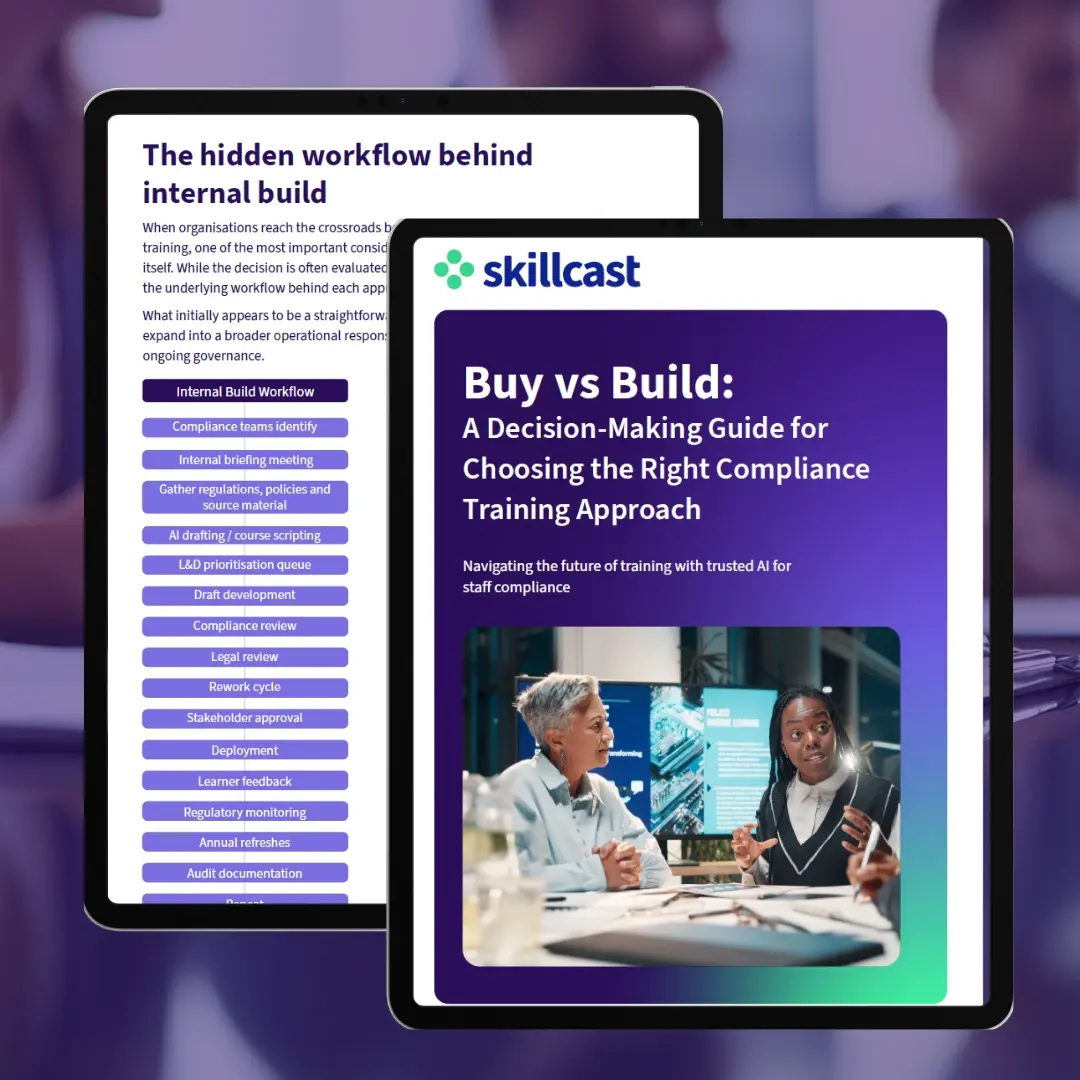
Guide: Buy vs Build - How to Choose the Right Compliance Training Approach
What does it include:
- A clear breakdown of why build vs buy is a strategic decision about operational ownership, risk management, and long-term sustainability
- An honest look at what organisations expect versus what typically happens, including the hidden workflow, ongoing governance, and continuous update requirements behind internal build
- Practical guidance on the true cost of in-house compliance training, covering internal resource, operational, and strategic costs that firms often underestimate
- An assessment of where AI accelerates production and where expert validation, regulatory interpretation, and human oversight remain essential
- Decision-making questions across operational, risk, learning, AI quality, and strategic considerations to help firms evaluate whether they are genuinely equipped to sustain compliance training effectively over time
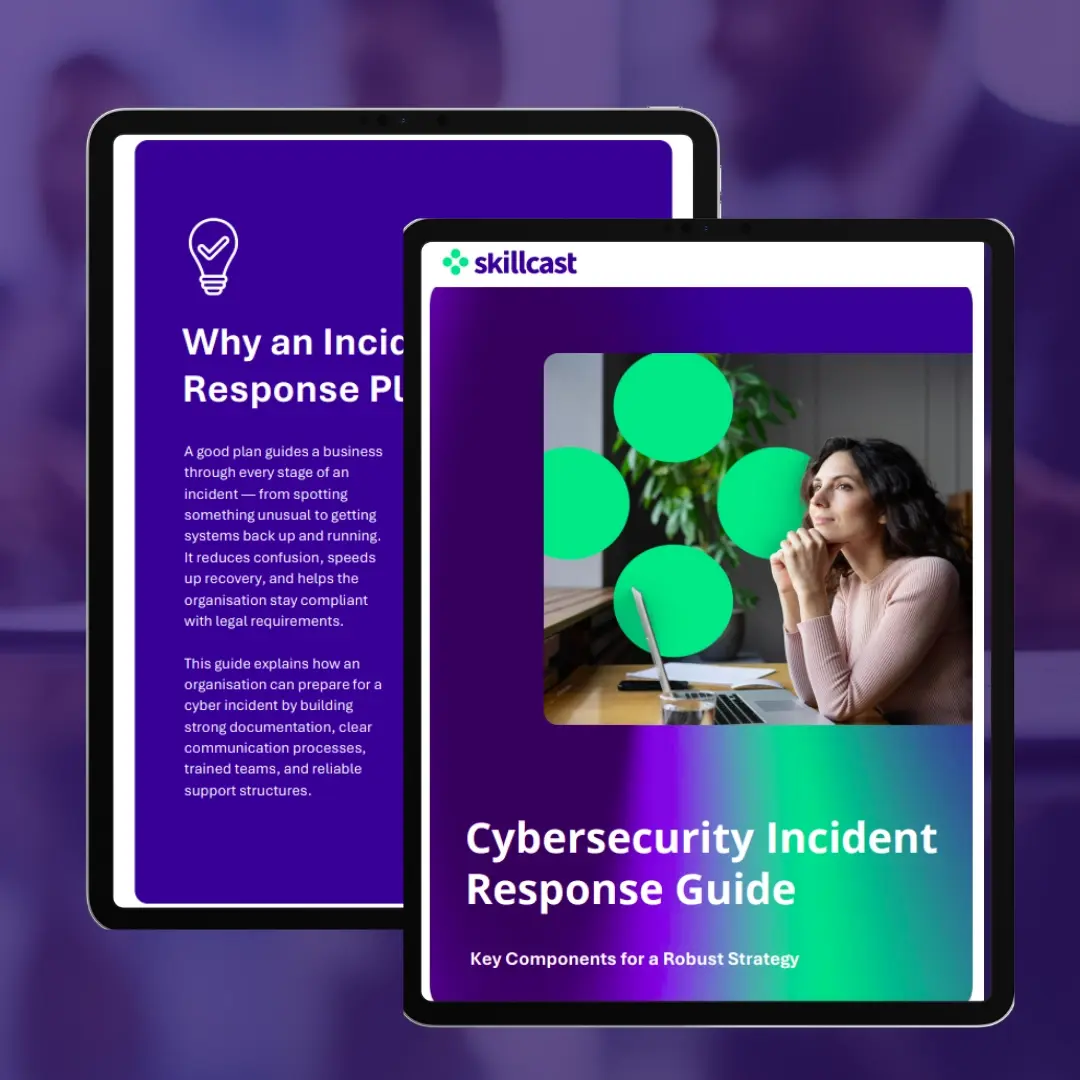
Guide: Cybersecurity Incident Response
What does it include:
- Why a written incident response plan reduces confusion, speeds recovery, and protects evidence during the first critical day
- What good response documentation looks like, including how incidents are detected, who is notified, and how systems are restored
- Practical guidance on strong incident communications and core response lifecycle steps
- The value of tabletop exercises and practice scenarios
- Considerations for external support (e.g., forensics) and meeting legal/regulatory reporting requirements
Who's it for?
- Incident response leads and technical responders
- IT, Security and operational resilience teams
- Legal, compliance and communications stakeholders
- Senior leaders who sponsor incident readiness and recovery
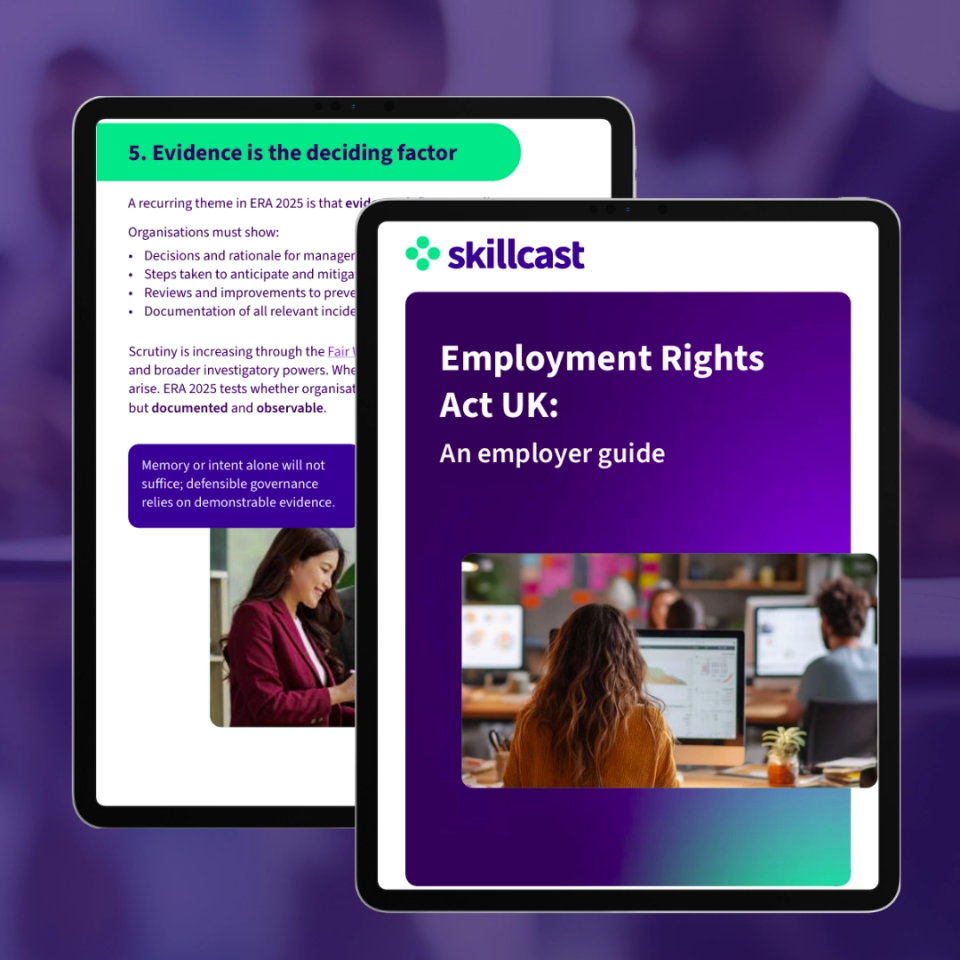
Guide: Employment Rights Act UK
What does it include:
- A concise overview of how ERA 2025 raises employer accountability and makes prevention a legal duty
- Practical guidance on managing harassment as a systemic risk with tailored, environment‑specific controls
- Clear steps for handling sexual‑harassment disclosures as protected whistleblowing from 2026
- UK‑wide insights revealing reporting gaps and cultural barriers from FOI‑based whistleblowing analysis
- Checklists to help evidence compliance and maintain auditable prevention measures
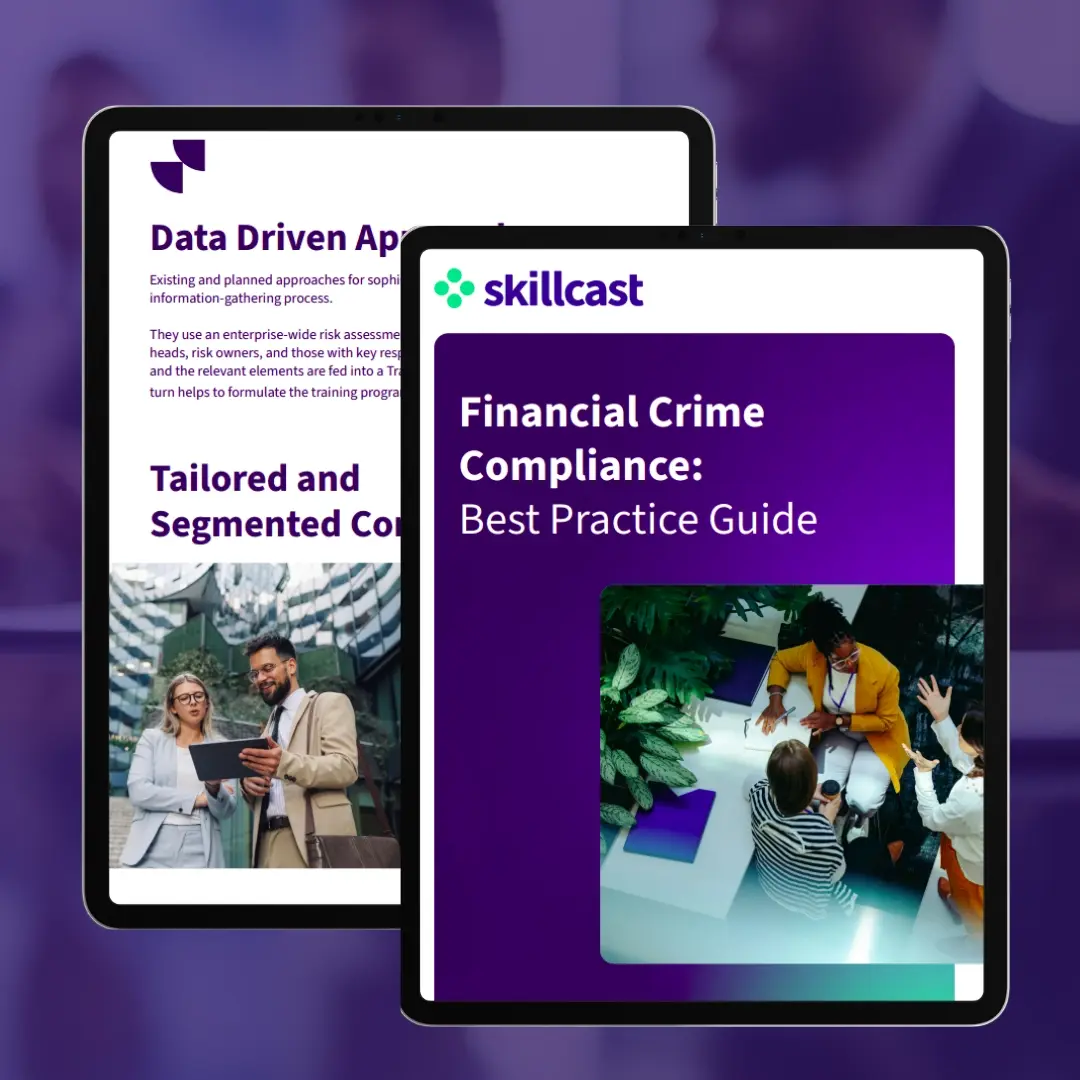
Guide: Financial Crime Prevention Best Practice
Why it matters: Regulatory inspections and new legislation demand more tailored, data-driven training approaches.
What you get: Research-based insights on current practices, future trends, and practical steps for improving financial crime training.
Key benefit: Benchmark your approach against industry best practice and prepare for upcoming regulatory expectations.
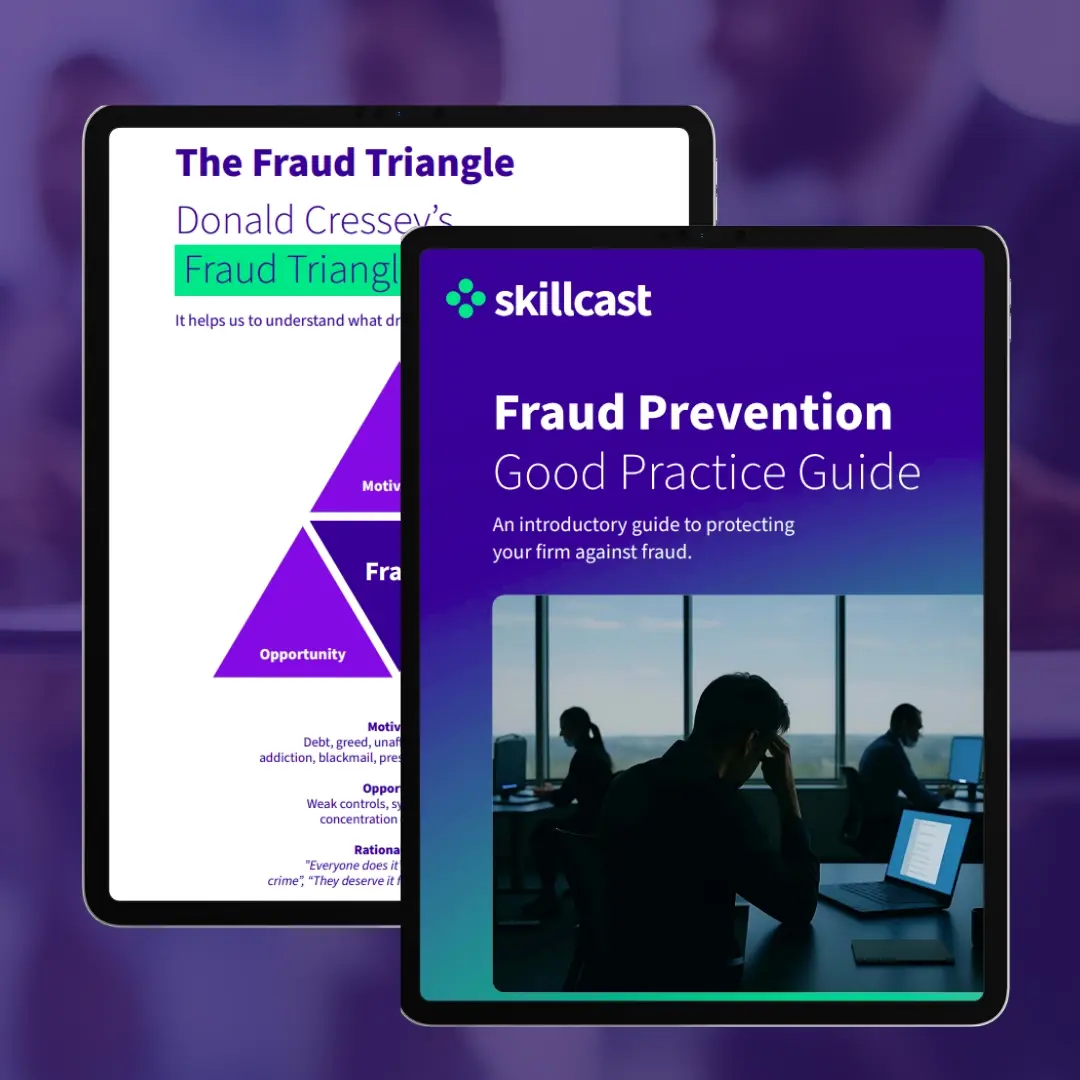
Guide: Fraud Prevention Good Practices
What does it include:
- Overview of UK Fraud Act and ECCTA 2023
- Common fraud types and warning signs
- The Fraud Triangle explained
- Fraud prevention strategy framework
- Risk assessment checklists for internal and external threats
- Links to official fraud prevention resources
Who's it for?
- Compliance and risk teams
- Finance and audit professionals
- HR and procurement managers
- Senior leaders seeking robust fraud controls
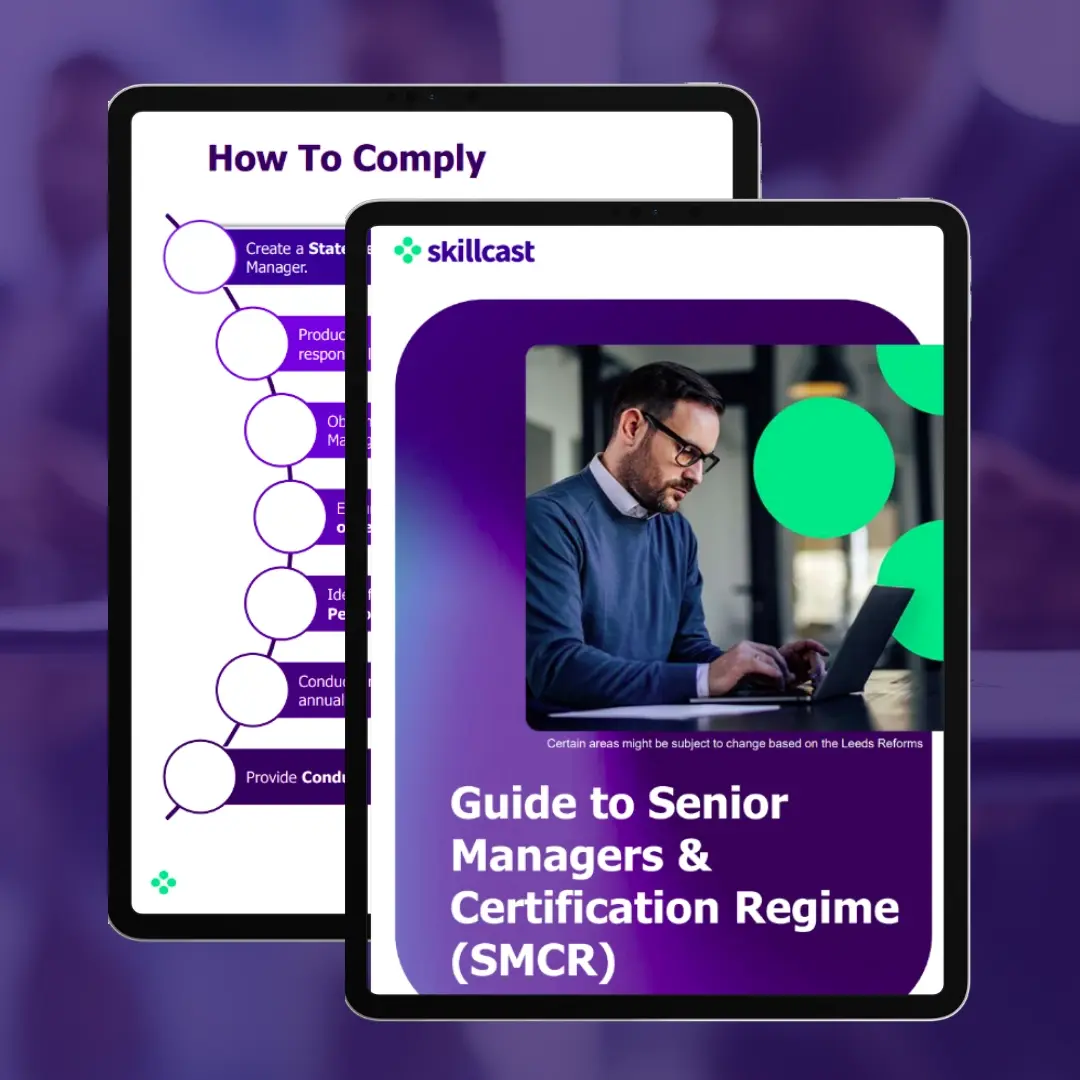
Guide: Senior Managers and Certification Regime (SMCR)
Why it matters: SMCR places personal accountability on individuals, making it essential that firms clearly allocate responsibilities, embed good conduct, and demonstrate effective oversight.
What you get: Clear, practical guidance on senior manager responsibilities, certification requirements, conduct rules, statements of responsibilities, and ongoing governance under SMCR.
Key benefit: Greater clarity, consistency and confidence in meeting SMCR obligations, helping firms reduce regulatory risk and withstand scrutiny.
%20(1).png)
Guide: Social Engineering and Fraud Risk
What does it include:
- A clear breakdown of today's most common social‑engineering tactics, from enriched impersonation to deepfakes and AI‑generated fraud scripts.
- Insight into how fraud is shifting from technical breaches to psychological manipulation, and why this makes customers and employees more vulnerable.
- A practical overview of upcoming PSD3/PSR requirements, including liability changes, name‑matching rules, and expectations for human‑led fraud support.
Who's it for?
- Compliance & Risk leaders
- L&D/Training managers
- HR & People teams
- Customer‑facing teams who need to recognise manipulation cues
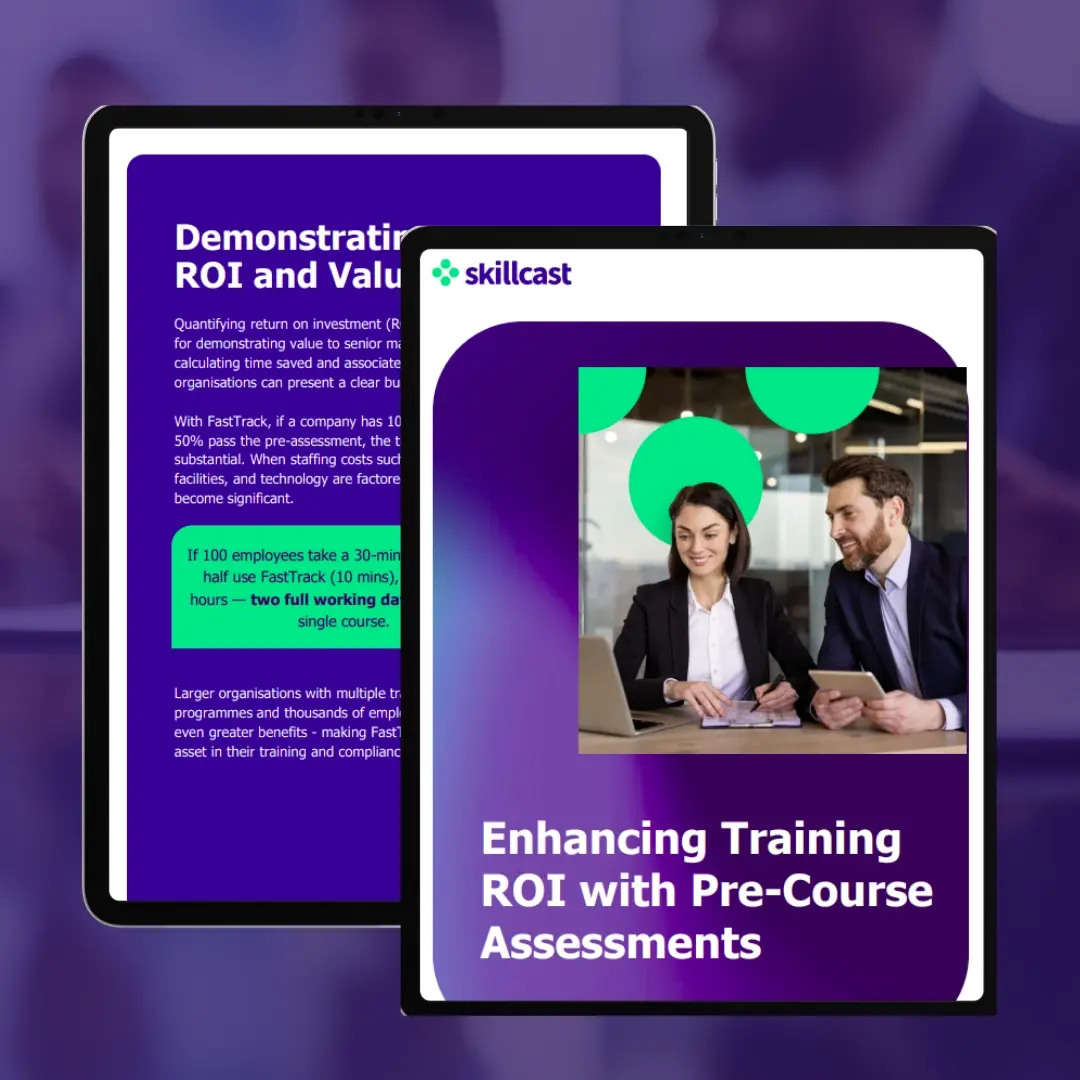
Guide: Enhancing ROI with FastTrack
Why it matters: Mandatory training often feels repetitive and drains productivity. FastTrack streamlines learning while maintaining compliance integrity.
What you get: A practical guide to pre-course assessments, adaptive learning, and ROI reporting.
Key benefit: Demonstrate cost savings and efficiency gains with clear, data-driven insights.
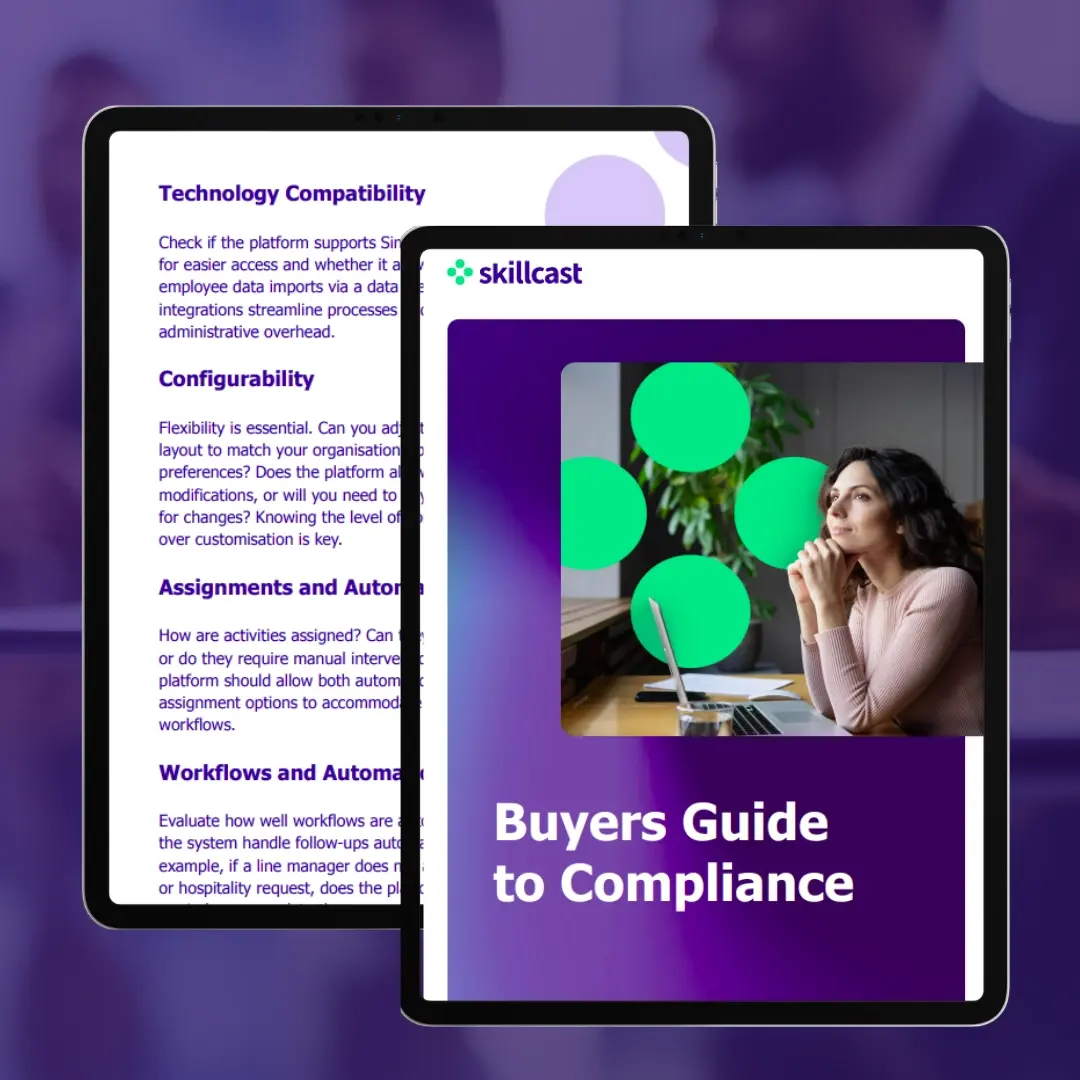
Guide: Buyers Guide to Compliance
Why it matters: A poorly chosen platform can lead to inefficiencies, compliance gaps, and wasted investment.
What you get: A structured approach to evaluating systems, engaging stakeholders, and managing vendor trials.
Key benefit: Streamline decision-making, avoid common pitfalls, and choose a platform that meets your business needs.
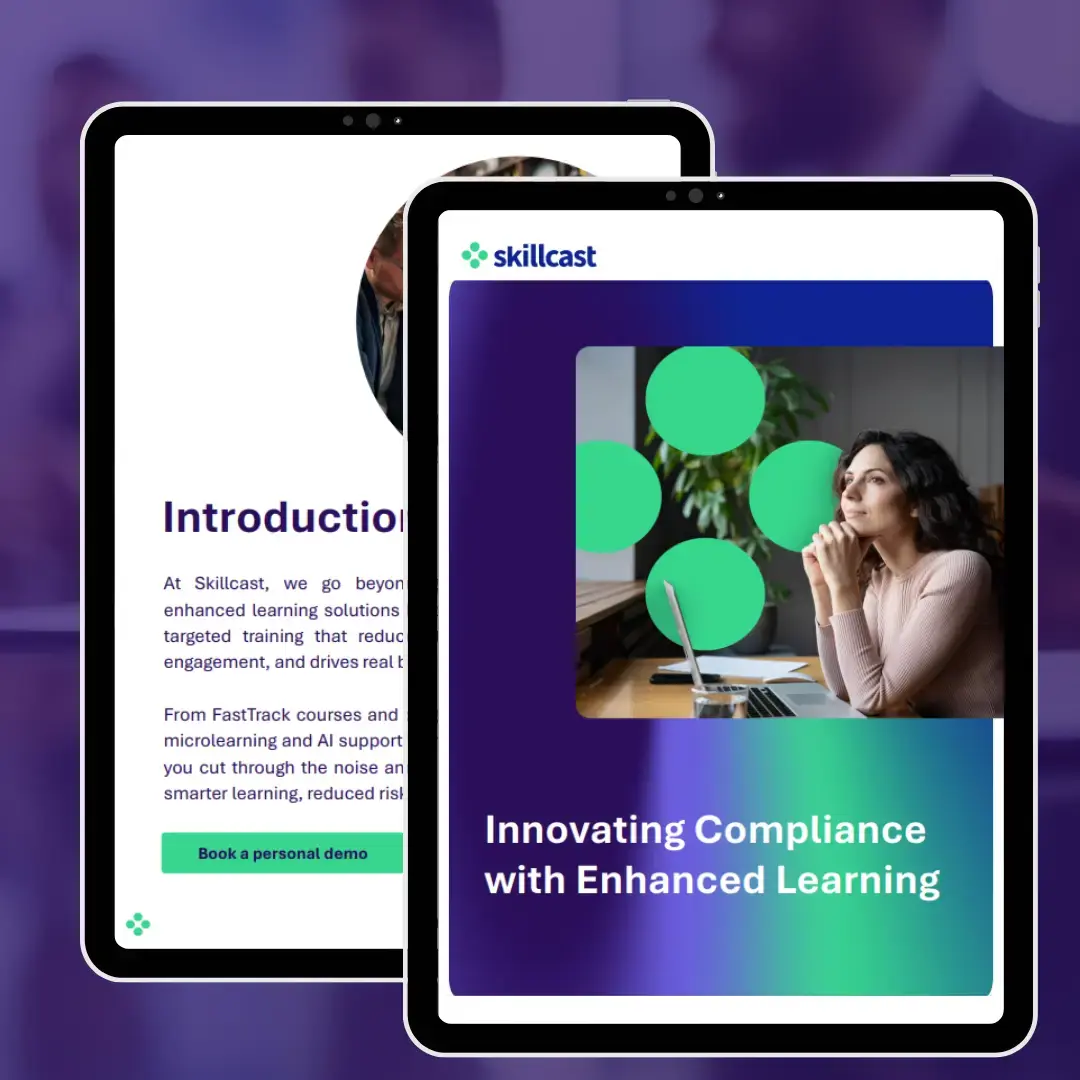
Guide: Innovating Compliance with Enhanced Learning
Why it matters: Traditional compliance training often overwhelms staff and fails to engage. Enhanced Learning makes it smarter and more effective.
What you get: Practical strategies for diagnostics, FastTrack, microlearning, and AI-powered support.
Key benefit: Reduce training fatigue, personalise learning, and improve compliance outcomes.
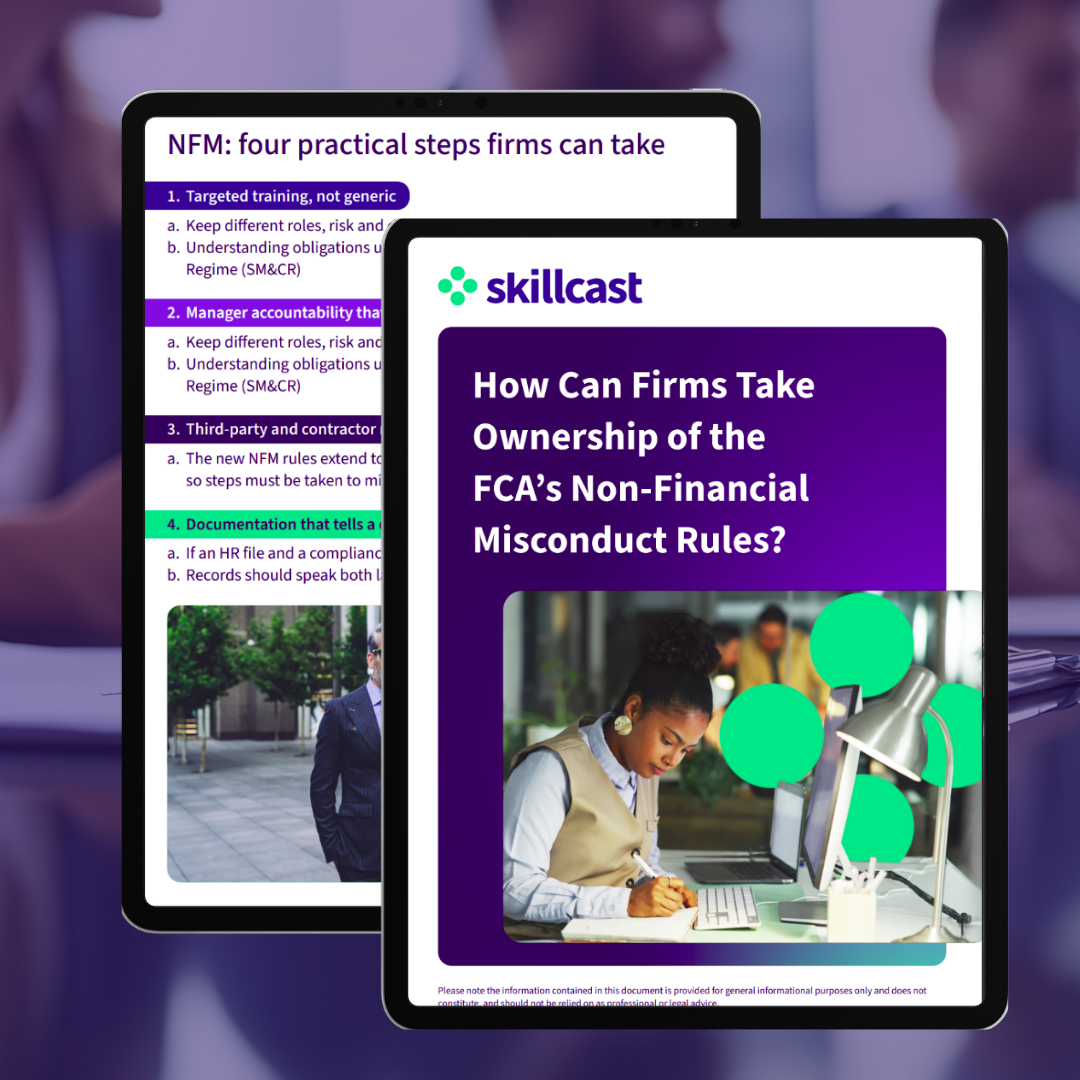
E-book: How Can Firms Take Ownership of the FCA’s Non-Financial Misconduct Rules?
What does it include:
-
A practical overview of the FCA’s new Non-Financial Misconduct (NFM) rules and what they mean for firms, managers and employees.
-
Insights into why workplace behaviours such as bullying, harassment, discrimination and misconduct are increasingly viewed as governance, culture and conduct risks.
-
Practical guidance on establishing clear accountability, robust investigations, effective governance and regulatory-ready decision-making.
-
A step-by-step framework based on the Five Ps—Purpose, People, Plan, Process and Progress—to help firms manage non-financial misconduct consistently and defensibly.
-
Best-practice recommendations for record-keeping, manager accountability, training, third-party risk management and continuous improvement.
-
Guidance on the interaction between the FCA’s NFM requirements and the Employment Rights Act 2025, including key actions firms should take to prepare for upcoming changes.
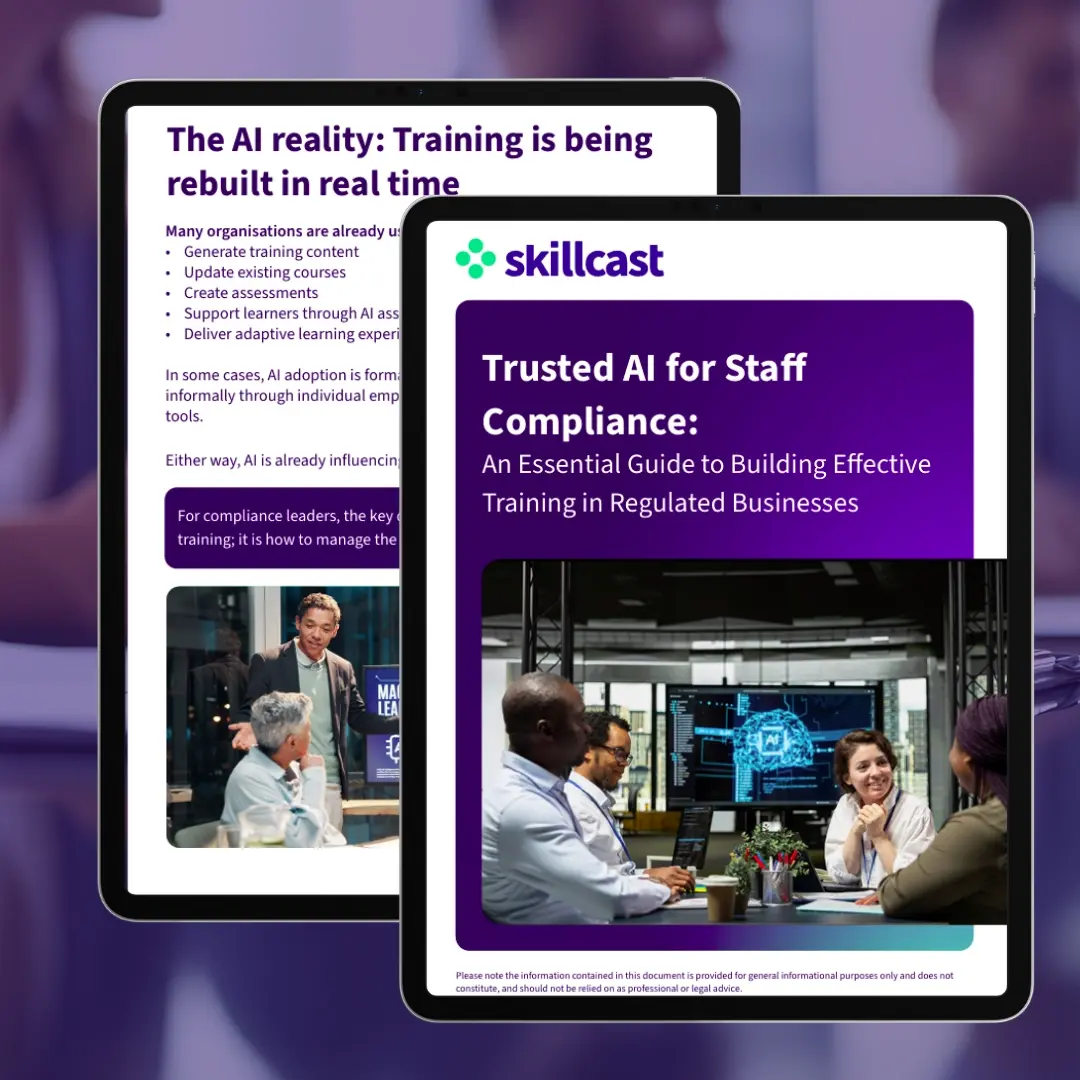
Trusted AI for Staff Compliance: An Essential Guide to Building Effective Training in Regulated Businesses
What does it include:
-
AI compliance training opportunities and risks: An overview of how AI is transforming compliance training, alongside the key risks organisations must manage, including inaccuracies, outdated information and governance challenges.
-
Practical framework for AI-enabled training: A step-by-step approach covering trusted content, AI-powered adaptation, human validation, engaging delivery methods and audit-ready governance.
-
Human oversight and governance guidance: Best practice recommendations for maintaining accountability, regulatory alignment, quality assurance and expert review of AI-generated content.
-
Risk assessment of AI-generated learning: Insights into common pitfalls such as hallucinations, loss of context, poor explainability and weak audit trails, with guidance on reducing compliance risk.
-
Strategies for trusted AI adoption: Key takeaways on combining AI efficiency with human expertise to create scalable, defensible and regulator-ready compliance training programmes.
Browse our reports
Read the research findings from essential areas of compliance and e-learning.
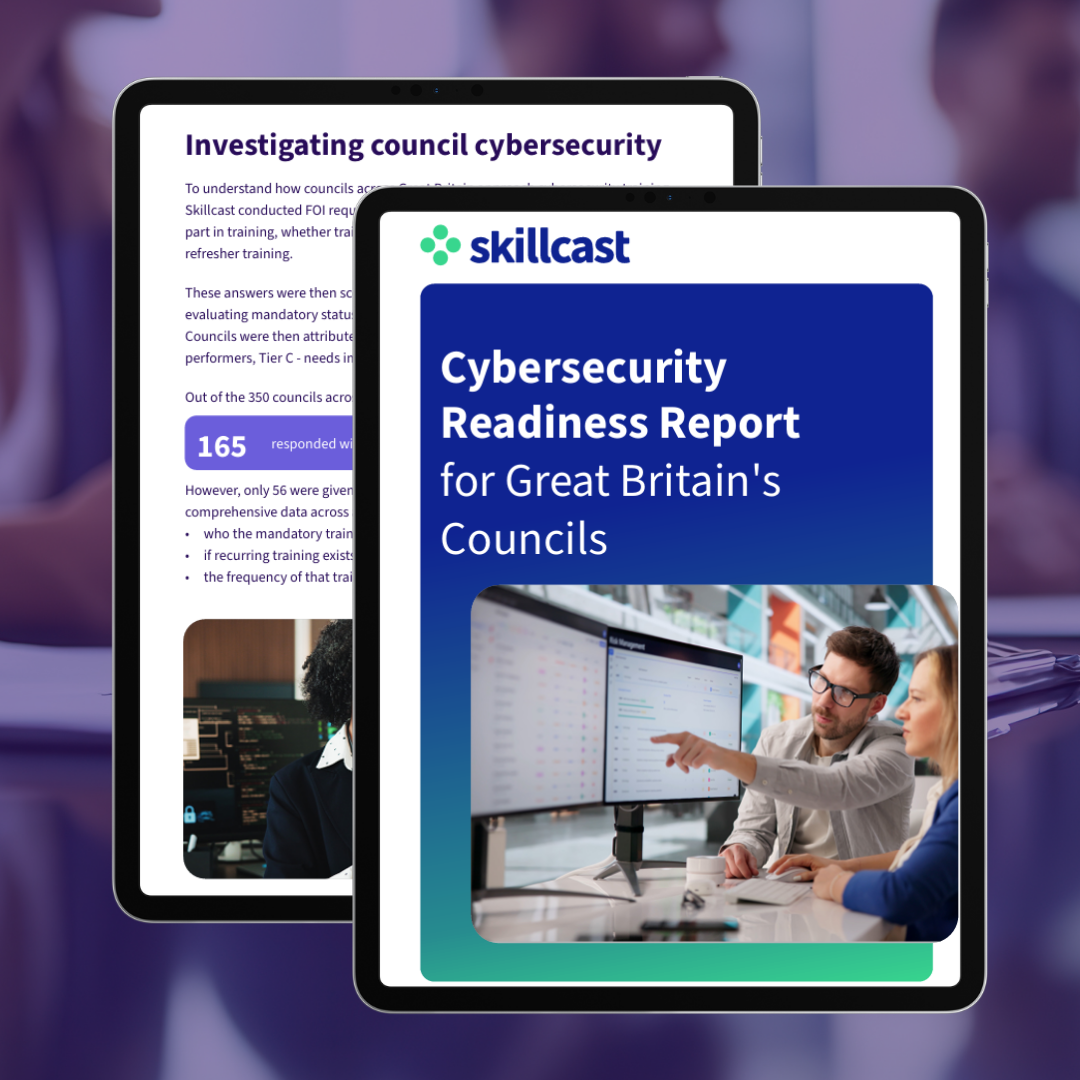
Cybersecurity Readiness Report for Great Britain's Councils
What does it include:
- Guidance on assessing your organisation’s cybersecurity readiness and positioning employee awareness as a core part of your defence against cyber threats.
- Key points for demonstrating the value of cybersecurity training in strengthening human risk management and reducing organisational exposure to breaches.
- Advice on aligning cybersecurity initiatives with wider compliance, IT and HR priorities, and with workplace culture.
- Practical considerations for building a stronger partnership between security, compliance and leadership teams to improve engagement, accountability and outcomes.
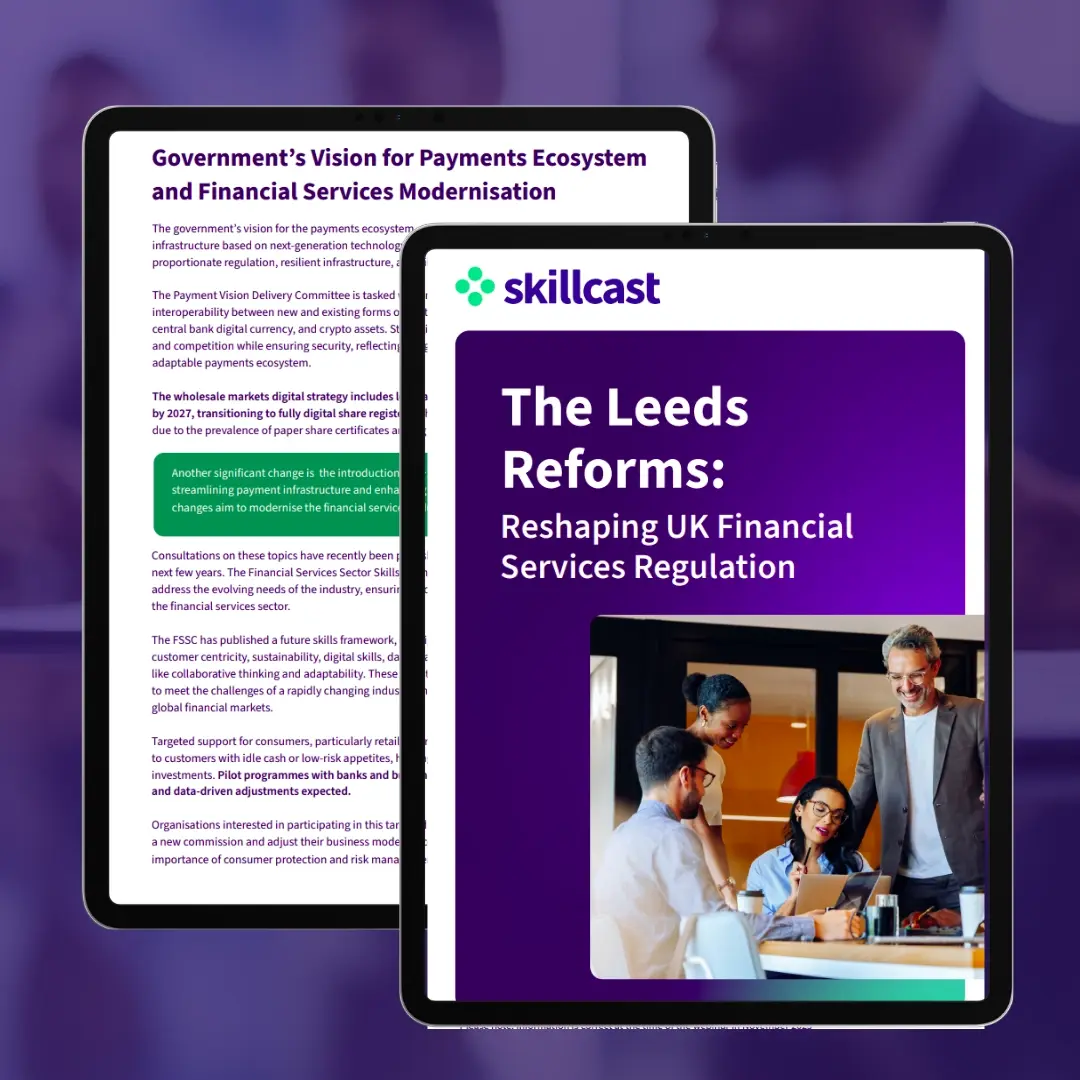
E-book: Leeds Reforms: Reshaping UK Financial Services Regulation
Why it matters: The UK is simplifying regulation to boost global competitiveness, speed up authorisations, enhance Consumer Duty, and modernise market infrastructure. Firms must understand the regulatory direction to stay compliant and competitive.
What you get: Clear explanations of the reforms, FCA and PRA priorities, changes to SMCR, payment ecosystem modernisation, and market shifts.
Key benefit: Understand what’s changing and how to adapt your compliance framework for the years ahead.
.png)
E-book: Moving from Policy to Proof: Employment Rights Act 2025
What does it include:
- Shift from policy-based compliance to evidence-based “proof” of harassment prevention under ERA 2025.
- A full end-to-end operating framework covering policies, reporting routes (including anonymous), investigations, escalation paths, and anti-retaliation controls.
- Strong focus on measurement and data use, including tracking training completion, case timelines, reporting trends, and maintaining auditable records.
- Guidance on culture, governance, and risk management, including third-party conduct, contracts, documentation standards, and continuous monitoring systems.
Who's it for?
- HR / People teams
- Compliance & Legal teams
- Senior leadership
- Line managers / supervisors
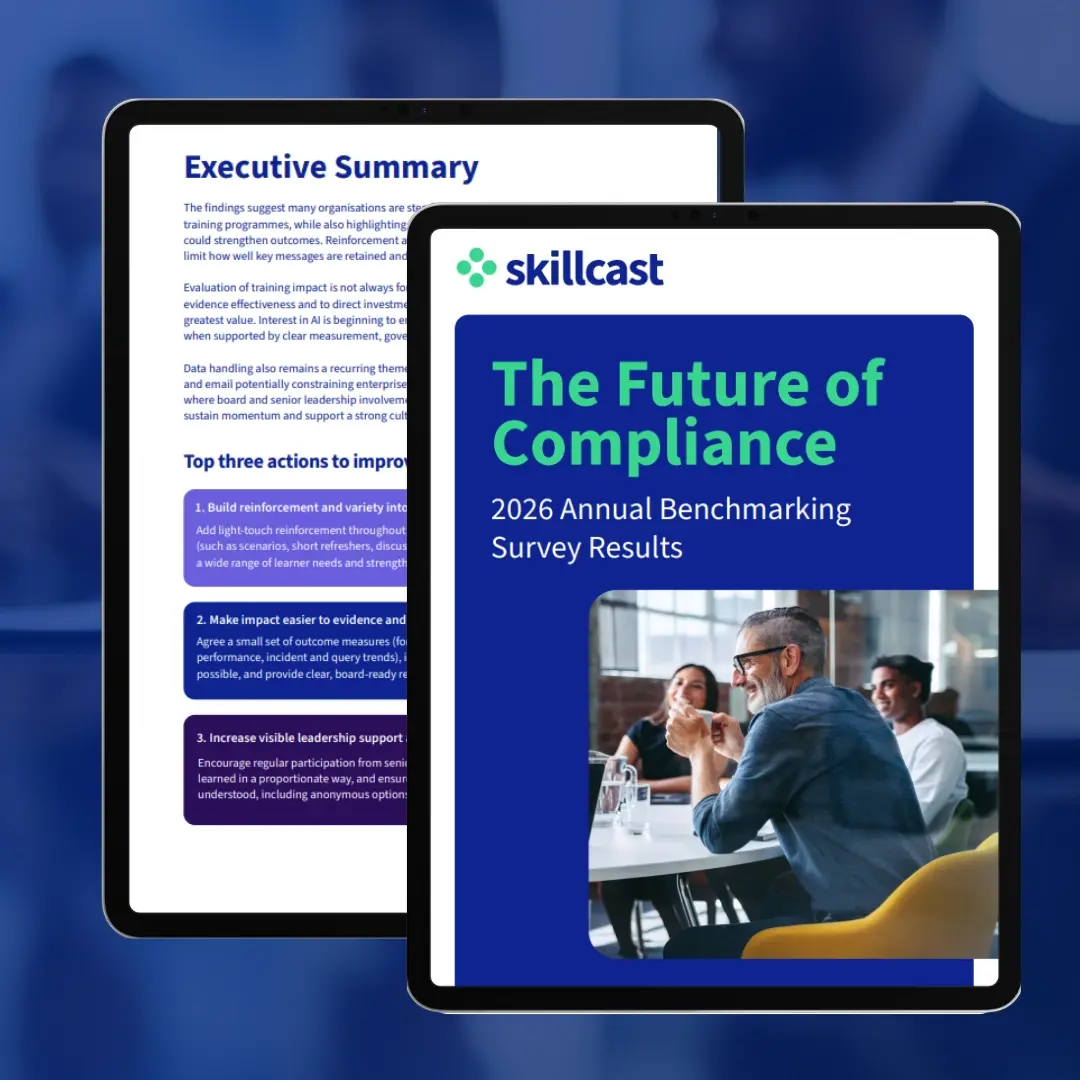
Annual Benchmarking Report 2026
What does it include:
- Executive summary: the three actions most likely to improve compliance training outcomes.
- Survey analysis across 17 questions, organised by four pillars: Innovation, Data‑led Compliance, Culture, Conduct & Ethics, and Value.
- Topical deep dives: reinforcement, training impact, AI adoption, data & tooling, regulatory requests, speak‑up channels.
- Sector view: Financial Services vs Non‑FS — adoption patterns and board engagement.
Who's it for?
- Compliance & Risk leaders
- L&D/Training managers
- HR & People teams
- And anyone tasked with evidencing compliance effectiveness
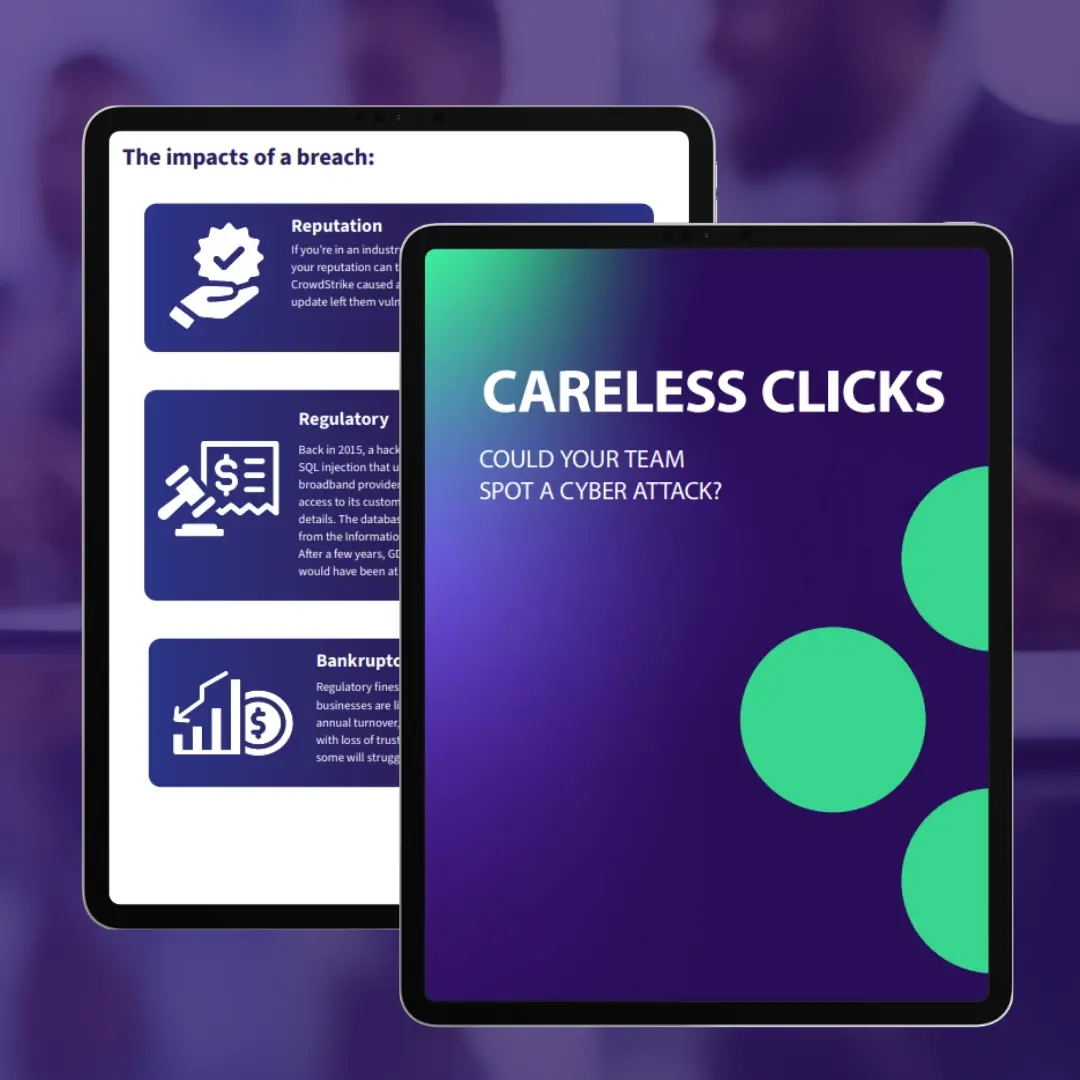
Careless Clicks Report
What does it include:
- Survey insights from UK financial services on confidence vs real cyber habits, including risky click behaviour.
- Key findings on weak password practices and gaps in regular cybersecurity training.
- Practical actions organisations can take to close behaviour gaps using training and scenario‑based reinforcement.
- “Test your knowledge” style phishing scenario and a concise action set for teams.
Who's it for?
- CISOs, IT security and operational resilience leaders
- Compliance, conduct risk and culture teams
- Business unit leaders accountable for staff cyber readiness
- L&D teams shaping security training programmes
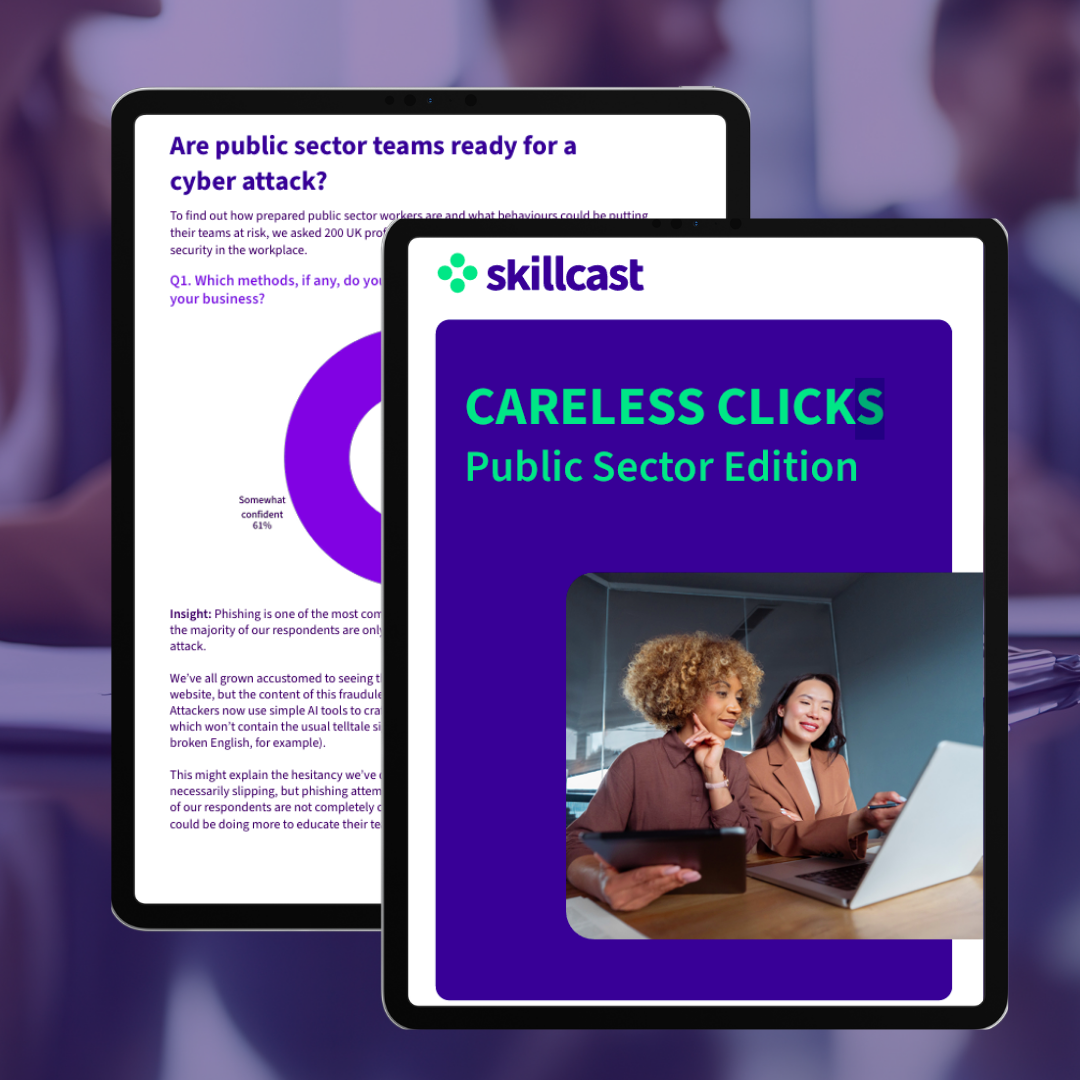
Careless Clicks Report for Public Sector
Why it matters: Public sector data remains under sustained attack, from the Legal Aid Agency breach to fraudulent HMRC rebate claims, yet many employees are only "somewhat" confident spotting an attack. Understanding where awareness gaps lie is essential to protecting citizens' data and trust.
What you get: Original survey findings from 200 UK public sector workers, expert insight from a cybersecurity academic and a Skillcast compliance specialist, and real-world scenarios testing your judgement.
Key benefit: Understand where confidence outpaces vigilance, and how to close that gap across your organisation.
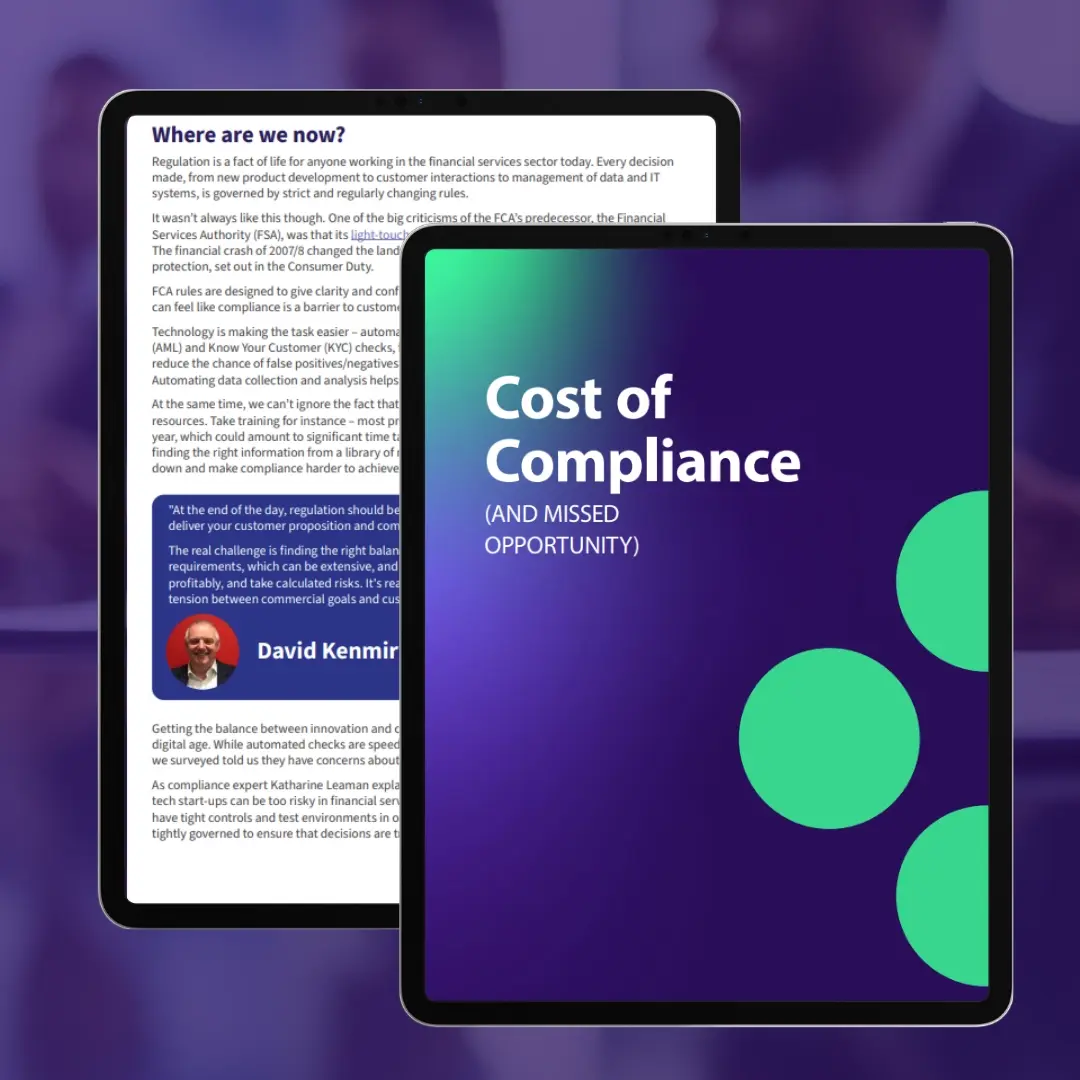
Cost of Compliance Report
Why it matters: Fines hit record levels in 2024, yet many teams still lack executive buy‑in and rely on manual tools that increase risk. Turning compliance into value requires better data, smarter training and stronger culture. [
What you get: Clear arguments, evidence and examples to support investment and modernise training.
Key benefit: A practical narrative to secure sponsorship, reduce remediation costs and lift confidence across customers, investors and staff.
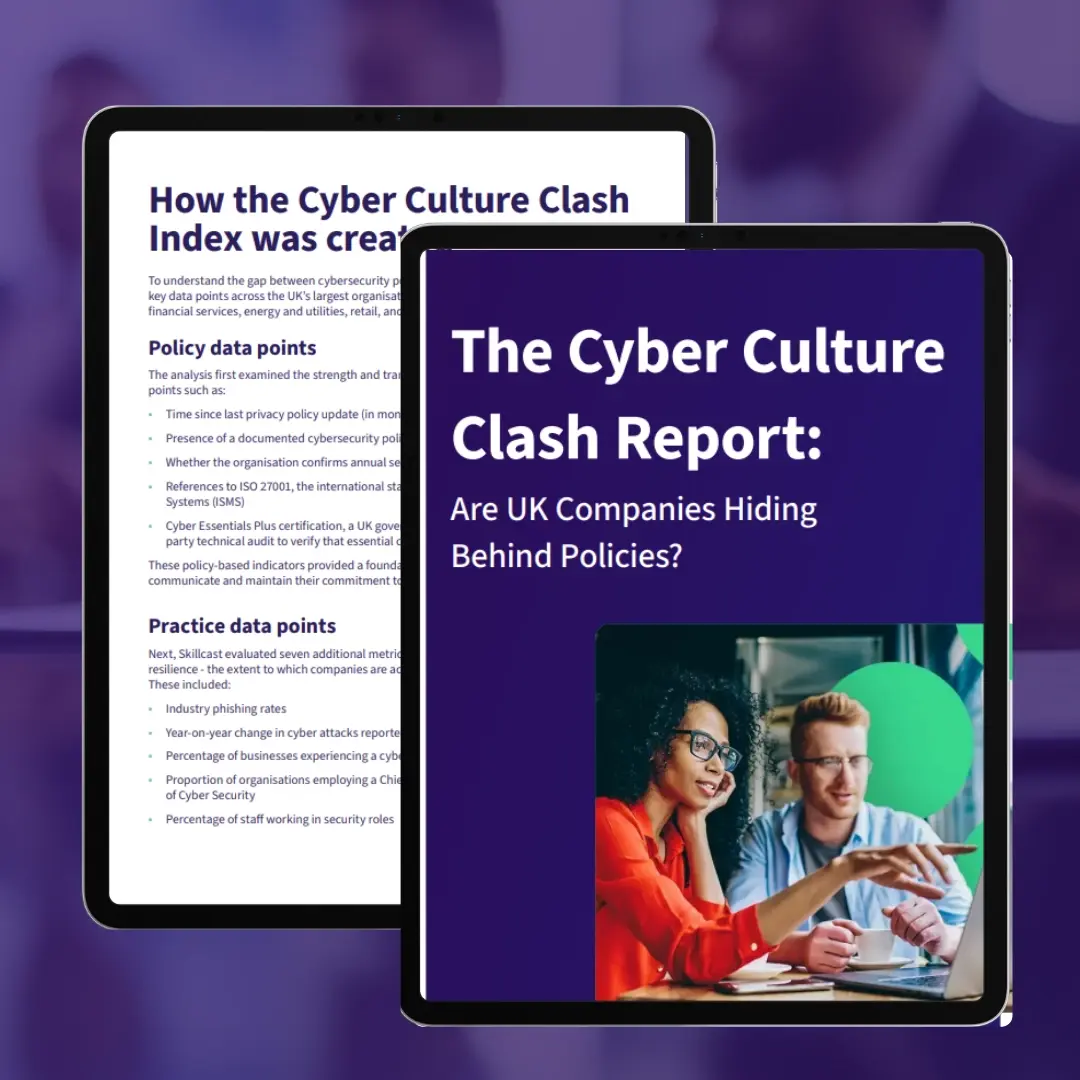
Cyber Culture Clash Index Report
What does it include:
- Analysis of the gap between what organisations say they do on cybersecurity and what happens in practice.
- Findings on where “robust” cyber strategies break down when policies don’t translate into real‑world action.
- Practical insight into how weak cyber culture and insufficient training increase risk — and what stronger organisations do differently.
- Sector comparisons showing where policy and practice are aligned (or misaligned) and what that means for resilience.
Who's it for?
- Senior leaders responsible for cyber resilience and culture
- CISOs, IT and Security leaders
- Compliance, risk and operational resilience teams
- L&D teams supporting security behaviour change
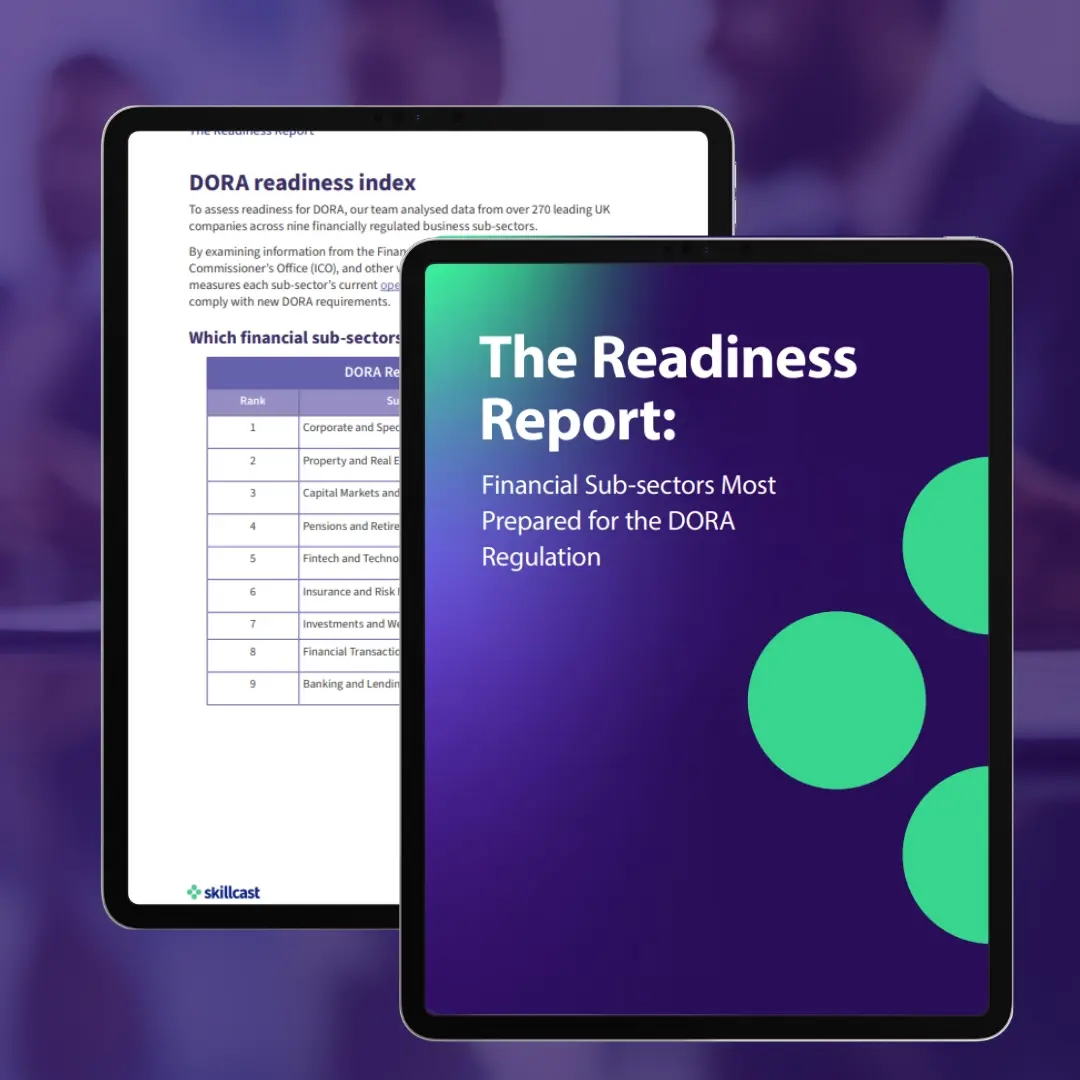
The DORA Readiness Report
Why it matters: DORA enforces consistent ICT risk management, testing and incident reporting for EU‑facing firms and critical third‑party providers. Weak complaint handling, low certification uptake and incident spikes are red flags.
What you get: A ranked readiness index and sub‑sector‑specific weaknesses to address.
Key benefit: Prioritised actions to raise resilience and meet supervisory expectations.
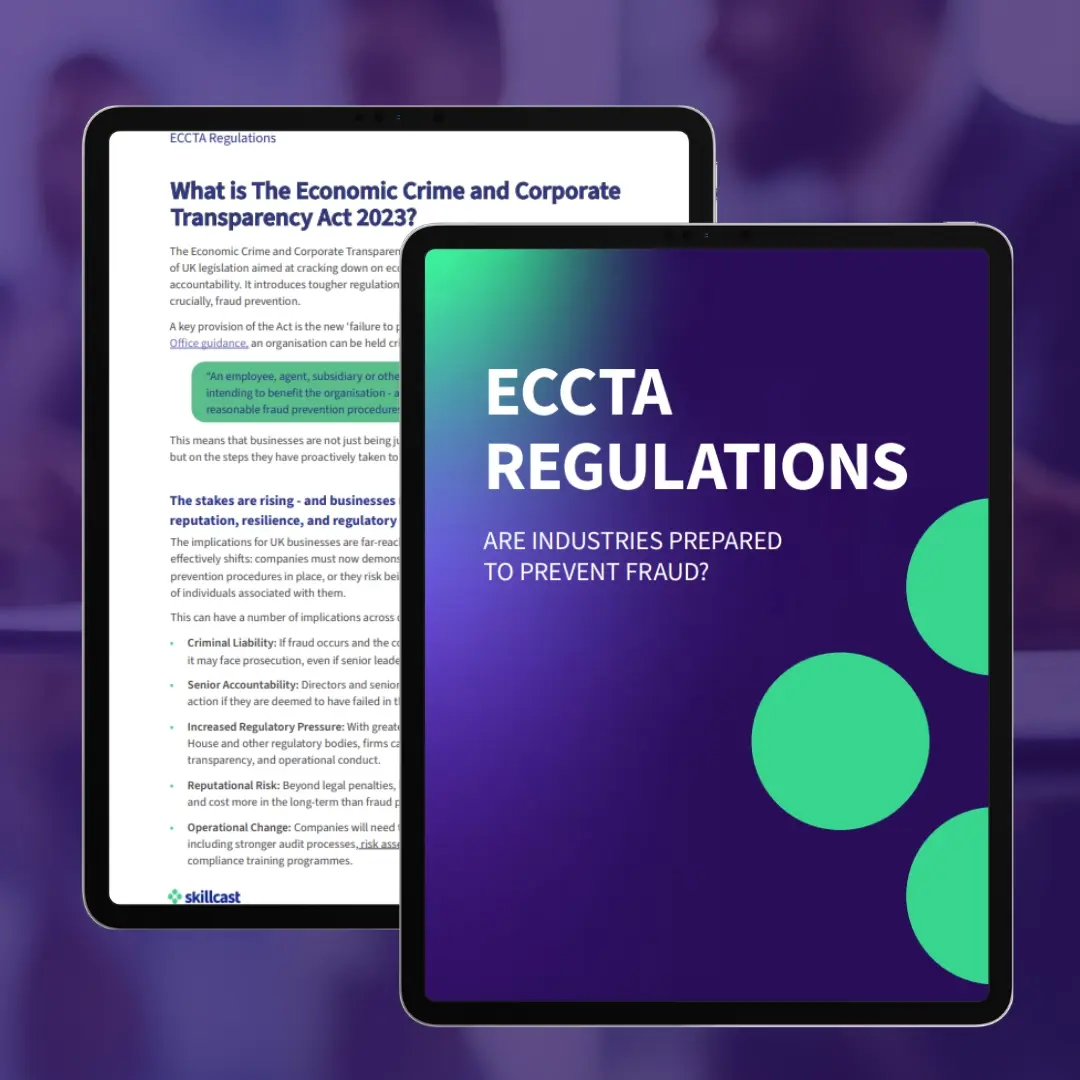
ECCTA Regulations Report
Why it matters: ECCTA shifts the burden onto companies to prove they have strong fraud prevention controls. Poor governance, overdue filings, and opaque ownership can trigger investigations and prosecution.
What you get: A breakdown of sector readiness, red flags, and practical recommendations to improve ECCTA compliance.
Key benefit: Benchmark your organisation against UK industry performance and identify urgent areas for reform.
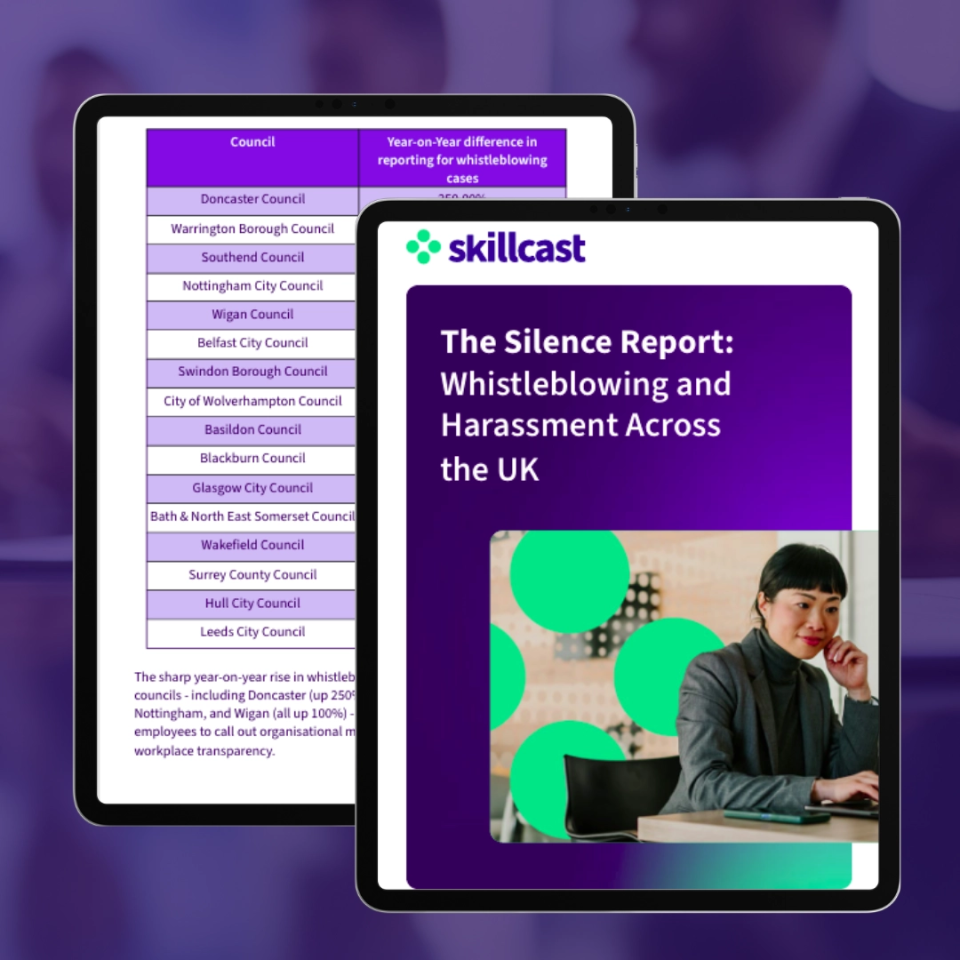
The Silence Report: Whistleblowing and Harassment Across the UK
What does it include:
- UK‑wide analysis of whistleblowing activity and harassment reporting trends, based on FOI data from councils across the UK
- Evidence showing rising harassment concerns but very few internal whistleblowing disclosures, highlighting major reporting gaps
- Insights into cultural barriers such as fear of retaliation, unclear reporting routes and low confidence in internal systems
- Context on how ERA 2025 strengthens protections for sexual‑harassment disclosures by treating them as protected whistleblowing
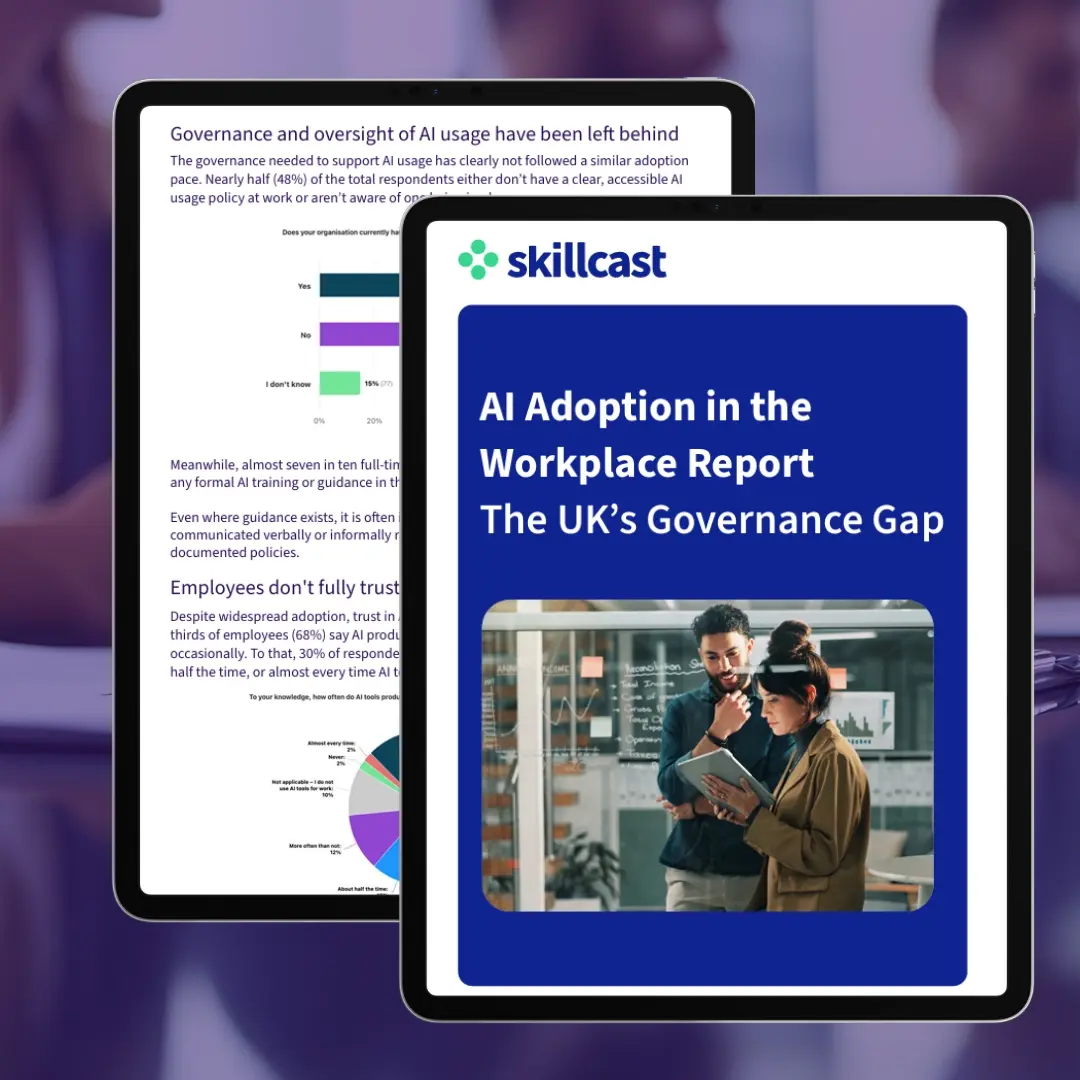
AI Adoption in The Workplace Report
What does it include:
-
UK workplace AI adoption insights: Analysis of how frequently employees are using AI across different industries and how AI has become part of day-to-day business operations.
-
AI governance and policy findings: Key data highlighting gaps in organisational AI policies, governance frameworks and employee awareness of responsible AI use.
-
Employee trust and risk perceptions: Research into how employees view the accuracy, reliability and risks of AI-generated outputs, including concerns around data privacy and compliance.
-
Sector-by-sector analysis: Benchmarking across banking, financial services, government, retail, insurance, legal and compliance sectors to identify strengths, weaknesses and emerging trends.
-
Practical governance considerations: Expert insights into the importance of AI training, oversight, policies and accountability to support responsible and compliant AI adoption.
See our toolkits
Review collated resources from checklists, posters, and other components designed to support your staff compliance.
Anti-Bribery Toolkit
Why it matters: Anti-bribery compliance is critical for ethical business and legal protection.
What you get: Red-flag checklist, FCA training guide, gifts & hospitality rules, due diligence templates.
Key benefit: Prevent corruption, embed ethics, and stay audit-ready.
Cybersecurity Toolkit
Why it matters: Cyber threats like phishing, ransomware, and social engineering put every organisation at risk. Technology alone isn’t enough — your people are the first line of defence.
What you get: Staff cybersecurity checklist, phishing prevention guide, PCI DSS essentials, expert FAQs, and practical tips to reduce risk.
Key benefit: Strengthen resilience, embed secure behaviours, and protect your organisation from costly breaches.
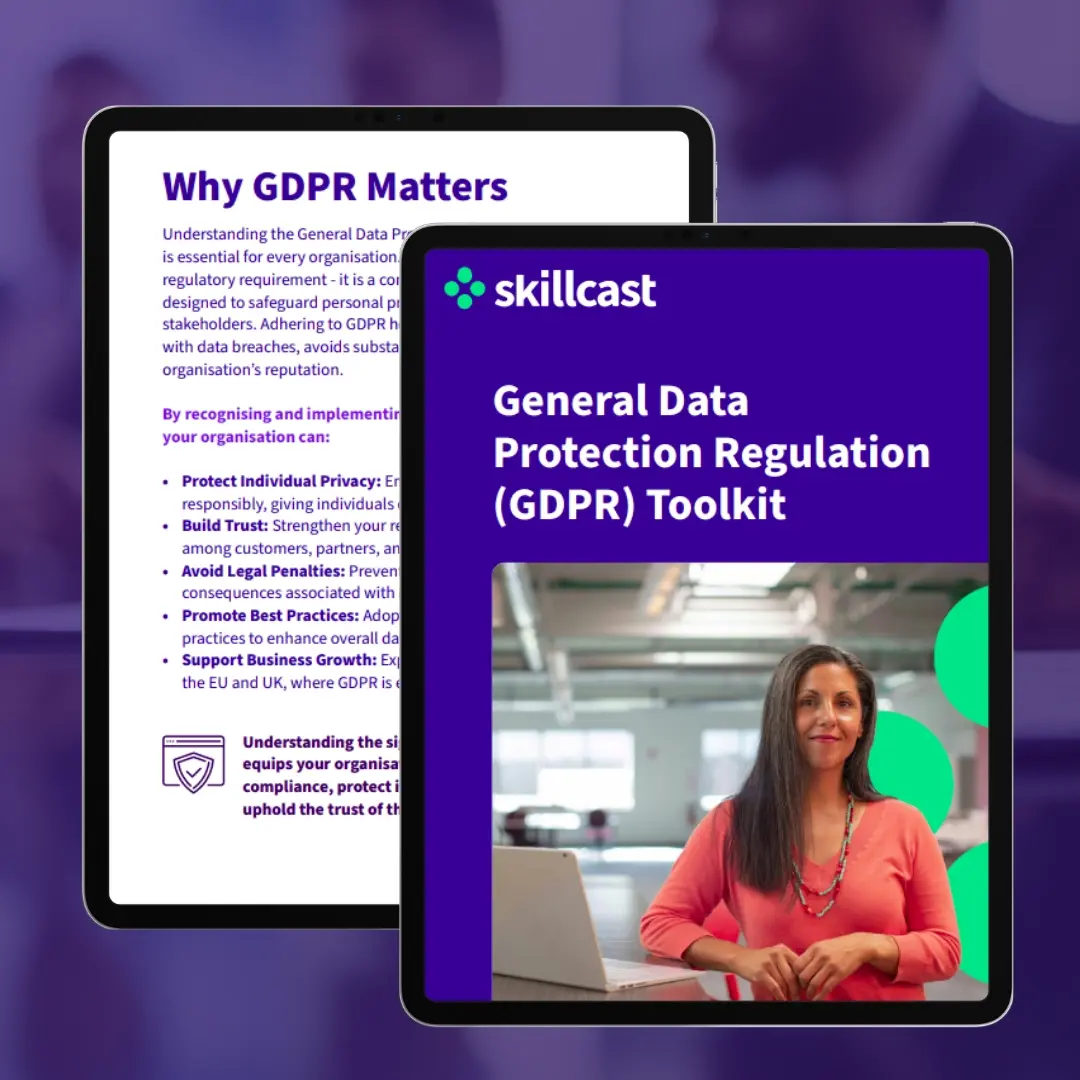
GDPR Toolkit
Why it matters: GDPR protects privacy and builds trust; non-compliance risks severe penalties.
What you get: Self-assessment checklist, DSAR guide, cookie compliance tips, training pointers.
Key benefit: Reduce risk, save time, and stay audit-ready.
See our checklists
Explore practical checklists covering key compliance topics to help your organisation manage risk, improve governance and support regulatory requirements.
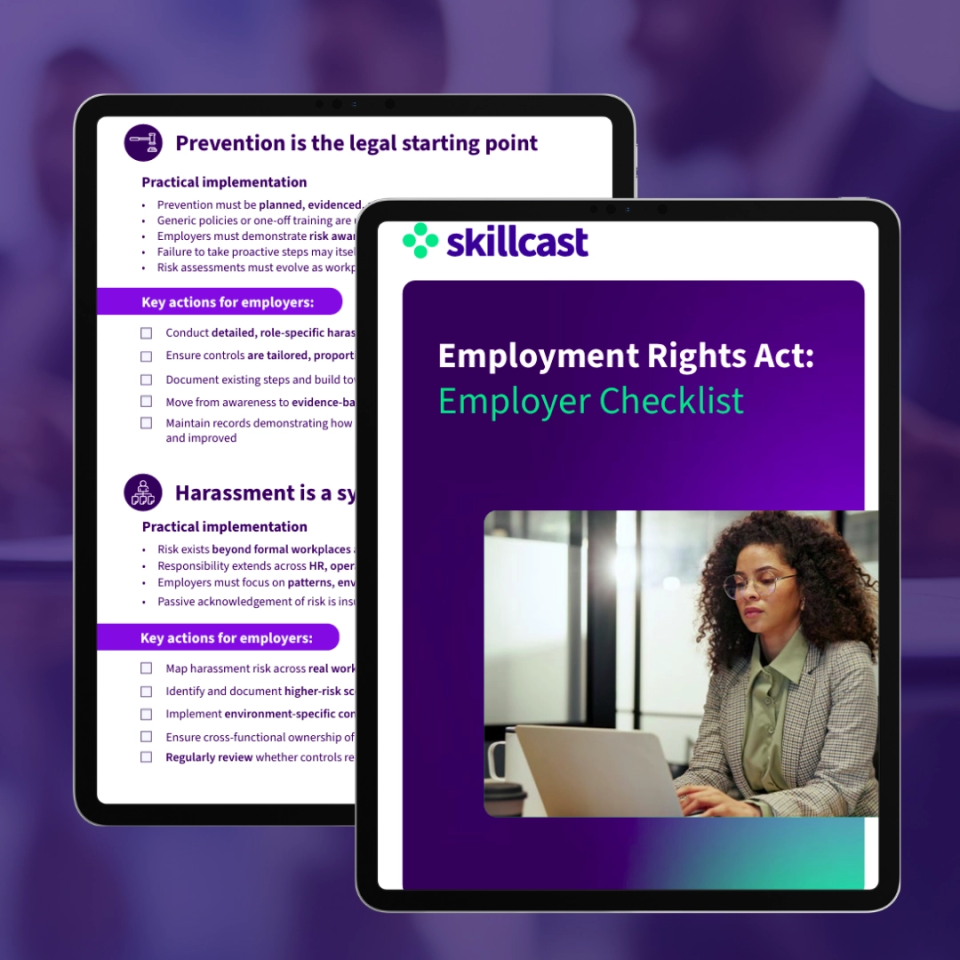
Employment Rights Act: Employer Checklist
What does it include:
- Practical guidance on ERA 2025’s shift to proactive, evidence‑based prevention as the legal standard
- Clear actions for assessing and managing harassment as a systems‑level risk across real working environments
- Steps for handling sexual‑harassment disclosures as protected whistleblowing, including manager escalation expectations
- Checklists to document risk assessments, preventative controls and decision‑making in ways tribunals expect to see
- Guidance on speak‑up culture, confidentiality risks and addressing barriers that prevent employees from reporting concerns
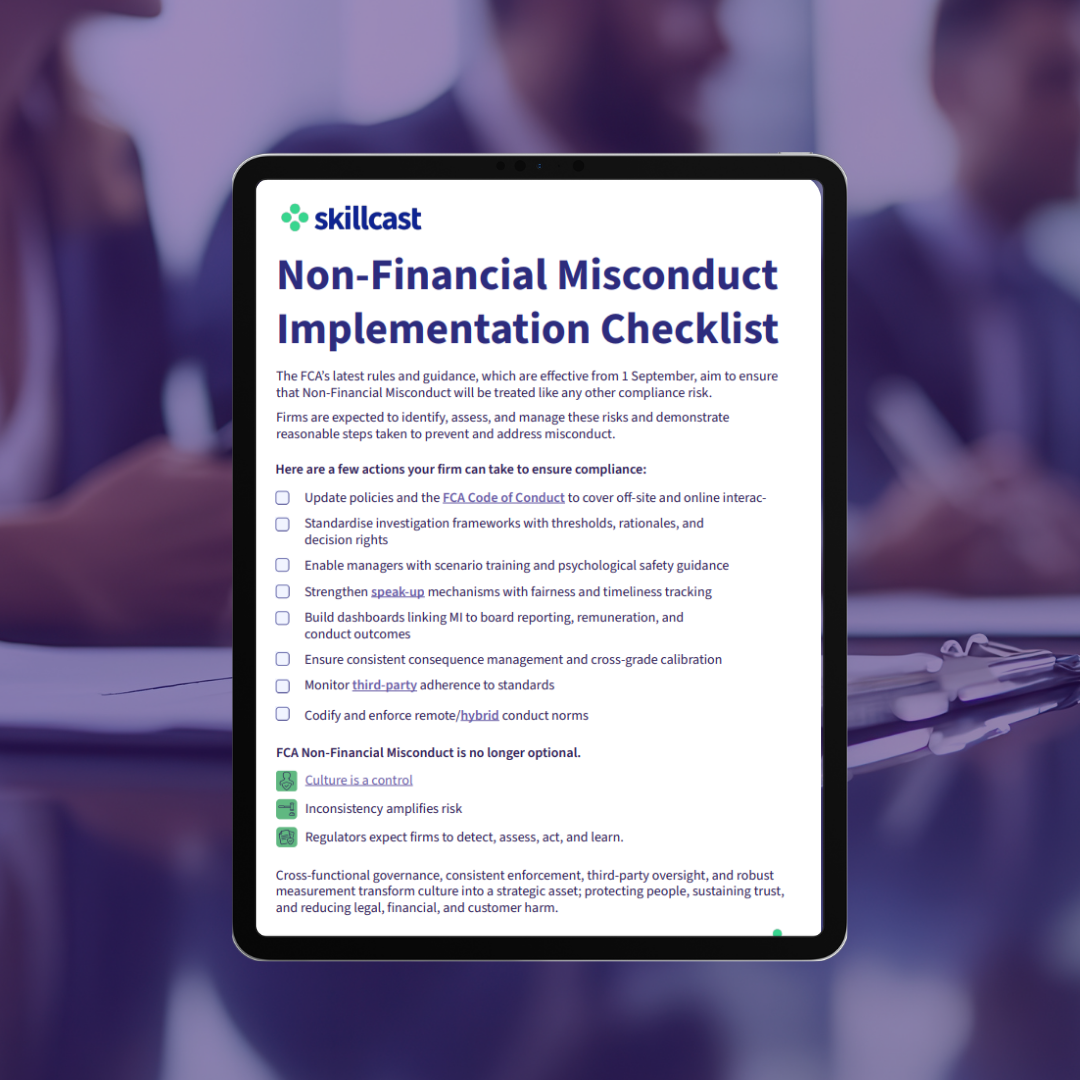
Non-Financial Misconduct Implementation Checklist
What does it include:
- A concise checklist of practical actions firms can take to implement the FCA's Non-Financial Misconduct requirements.
- Recommended actions covering policies, manager training, investigations, speak-up processes and conduct standards.
- Steps to improve consistency in misconduct reporting, decision-making and consequence management.
- Guidance on strengthening governance, oversight and behavioural risk monitoring.
- Key actions for managing conduct risks across employees, remote working environments and third parties.
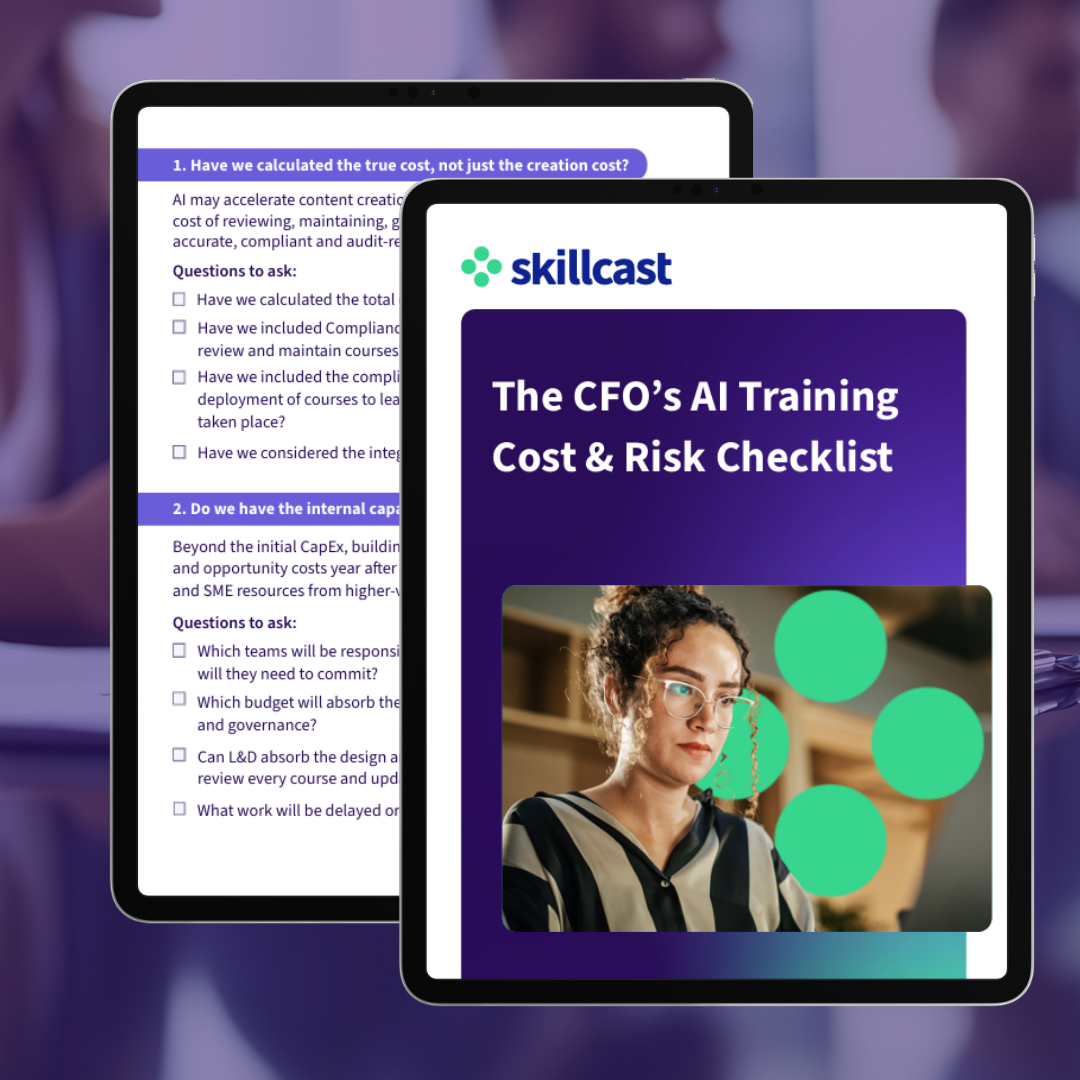
The CFO’s AI Training Cost & Risk Checklist
What does it include:
-
Practical implementation checklist: A concise checklist of actions firms can take to align with the FCA's Non-Financial Misconduct expectations.
-
Policy and training recommendations: Suggested actions covering policies, manager training, investigations, speak-up arrangements and conduct standards.
-
Misconduct reporting and decision-making guidance: Steps to improve consistency in reporting, investigations, disciplinary decisions and consequence management.
-
Governance and oversight framework: Guidance on strengthening governance, accountability, oversight and behavioural risk monitoring.
-
Conduct risk management actions: Key considerations for managing misconduct risks across employees, remote working environments and third-party relationships.
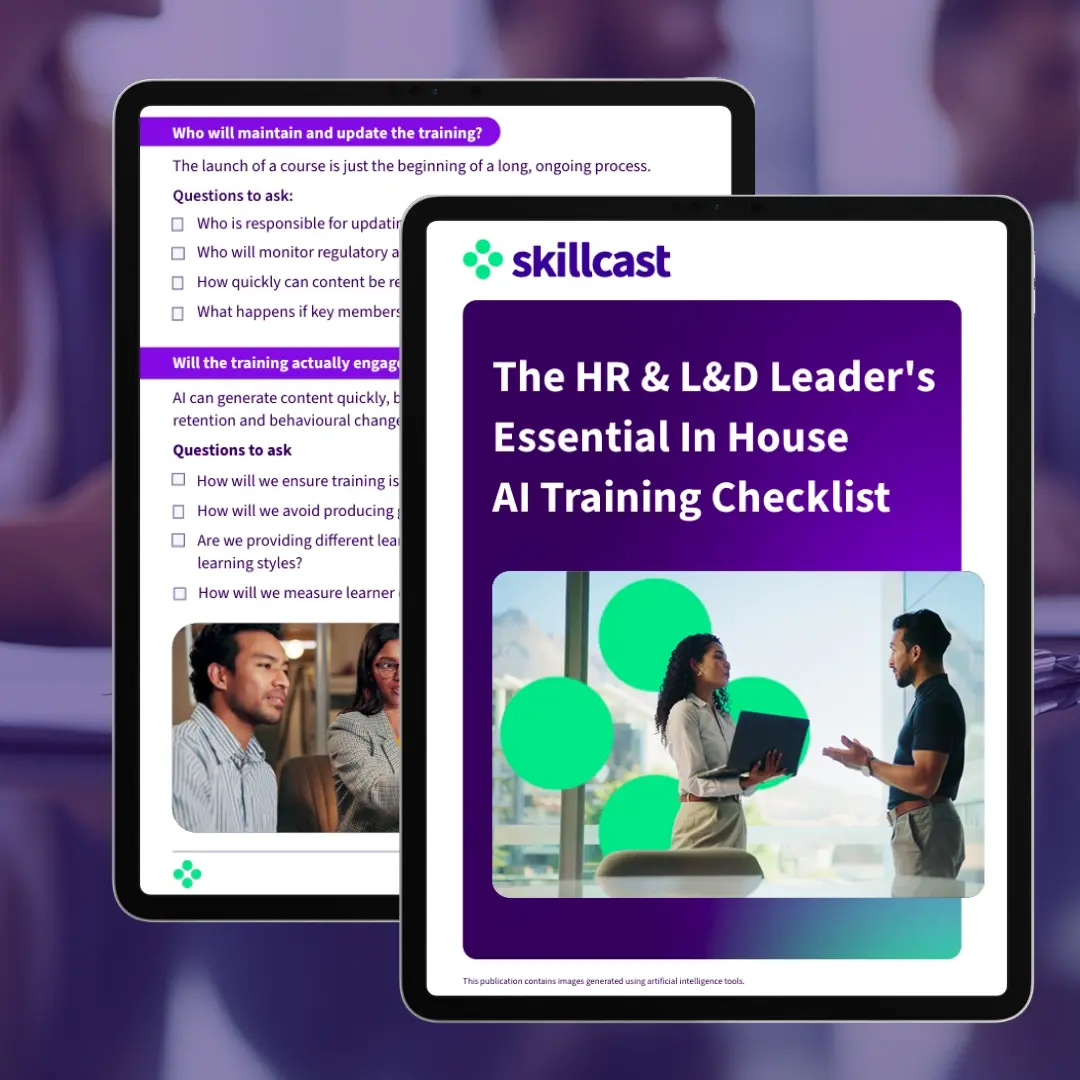
The HR & L&D Leader's Essential In House AI Training Checklist
What does it include:
-
Internal capability and resource assessment: Key questions to help organisations evaluate whether they have the people, expertise and capacity required to manage AI-enabled compliance training effectively.
-
Content governance and compliance considerations: Guidance on validating regulatory interpretations, reviewing AI-generated content and maintaining appropriate oversight and approval processes.
-
Training maintenance and update planning: Practical considerations for managing ongoing course updates, responding to regulatory changes and ensuring continuity over time.
-
Learner engagement and effectiveness checks: Questions focused on creating engaging learning experiences, measuring impact and supporting meaningful behavioural change.
-
Risk reduction and programme ownership guidance: A framework for assessing whether in-house AI-powered training will strengthen compliance outcomes or introduce additional operational, regulatory and reputational risks.
Review our brochures

Bespoke Services Brochure
See what goes into a Skillcast bespoke compliance course. The brochure walks through course openers, learning objectives, standard and interactive learning pages, visual learning with full-screen images and interactive diagrams, real-life scenarios and storytelling, and immersive features such as scoring and visual progress tracking, so you can choose the elements that suit your learners and your organisation.
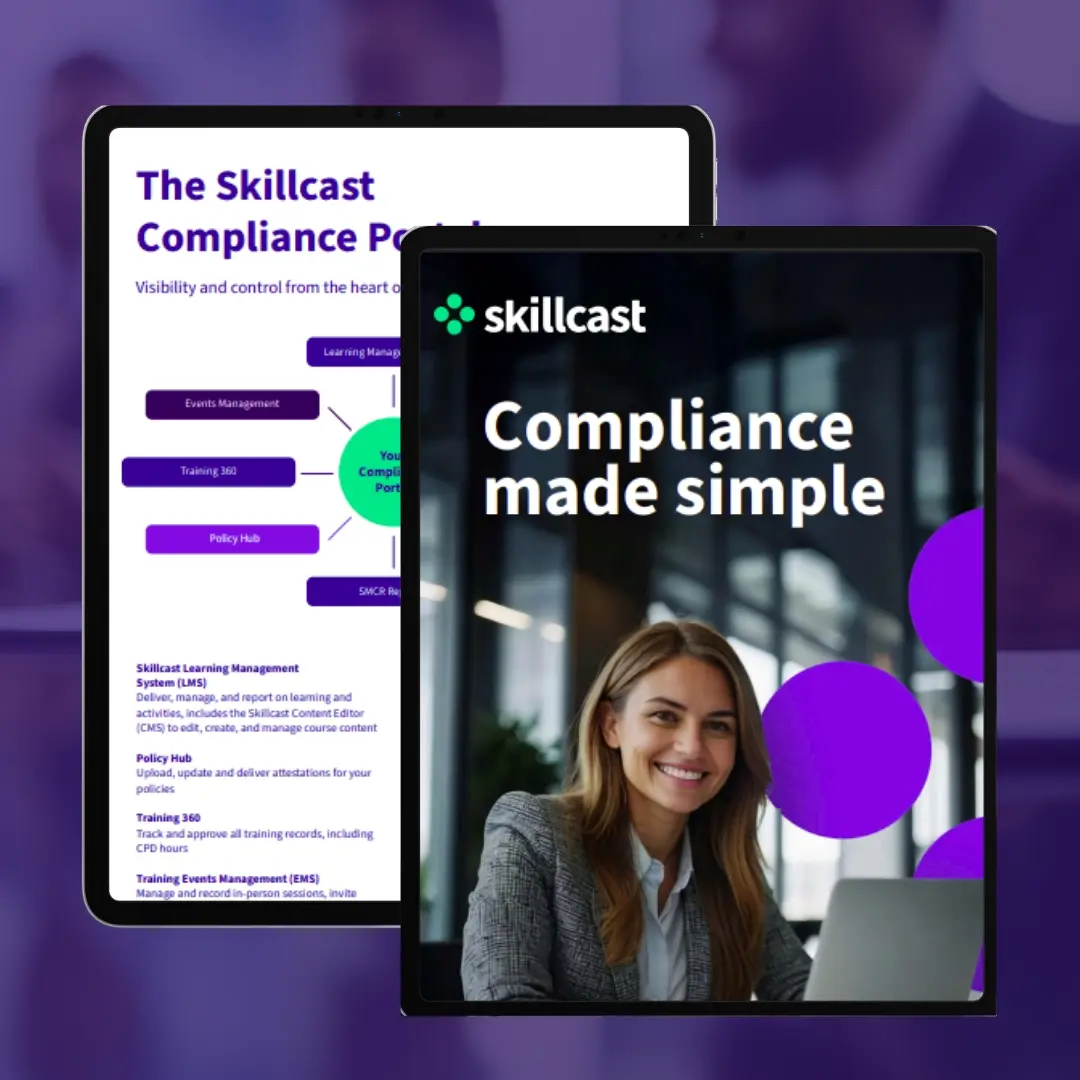
Company Brochure
An overview of how Skillcast helps organisations simplify staff compliance. The brochure introduces the Skillcast Compliance Portal and its tools, including the Learning Management System (LMS), Content Editor, Policy Hub, Training 360, Events Management, Declarations, Registers, Surveys and SMCR Registers. It also covers our course libraries, Enhanced Learning features and bespoke e-learning services, making it a useful starting point for anyone who wants a complete picture of what we offer.

Courses Brochure
Explore 600+ off-the-shelf compliance e-learning courses across our libraries: Compliance Essentials, FCA Compliance, Global Compliance, Risk Management, Insurance Compliance, EU Compliance, Public Sector, Legal Sector, and Compliance Bites microlearning. The catalogue lists every course by topic, shows CPD, RoSPA and IIRSM accreditations, and explains how courses can be customised and delivered on the Skillcast LMS or any SCORM-compliant LMS.
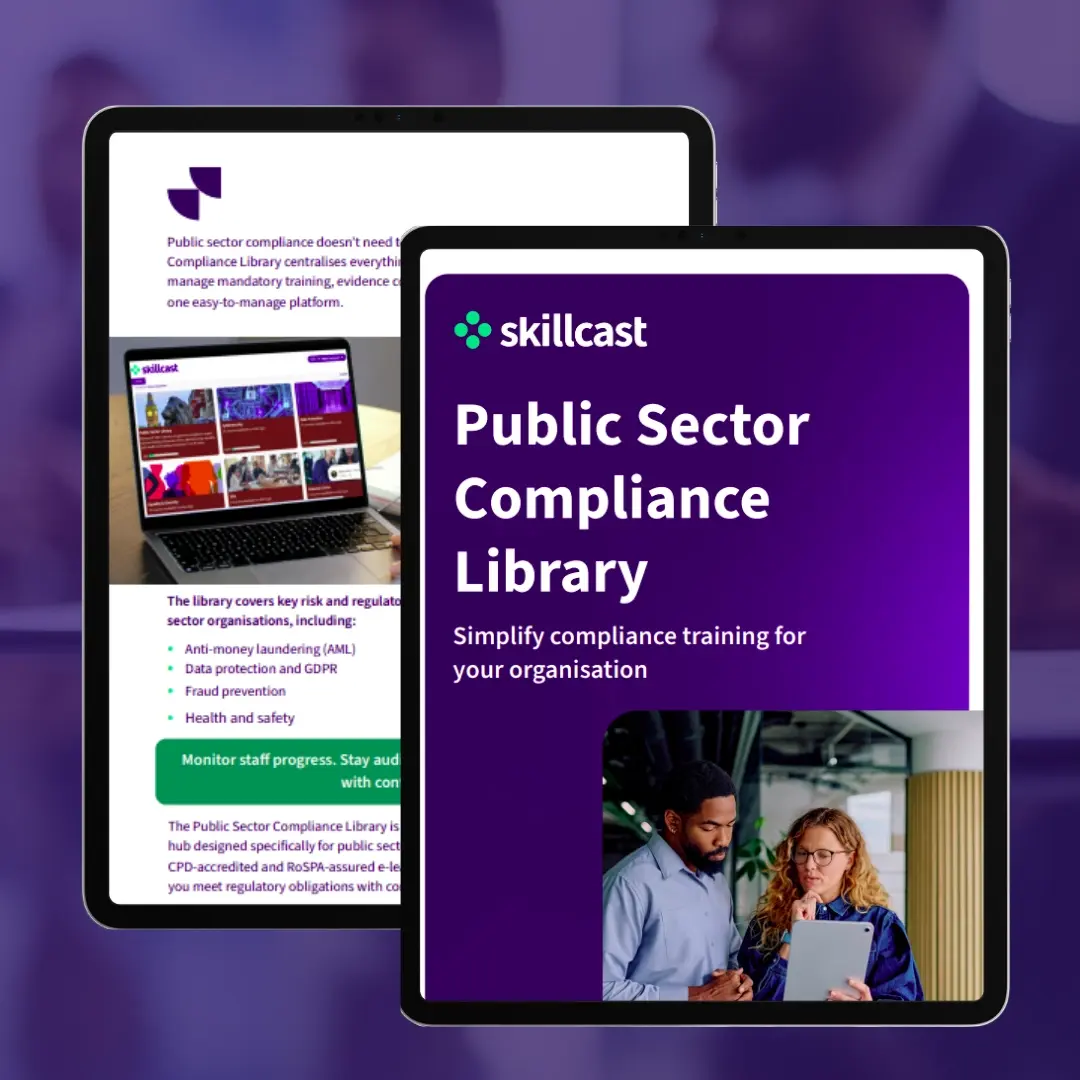
Public Sector Brochure
Designed specifically for public sector organisations, this library combines CPD-accredited and RoSPA-assured e-learning with audit-ready reporting. The brochure covers topics including data protection, cybersecurity, fraud prevention, safeguarding, equality and health and safety. It explains how centralised tracking and automated assignments, reminders, and record-keeping reduce administration and give clear visibility across large, diverse workforces, and includes the full course list.
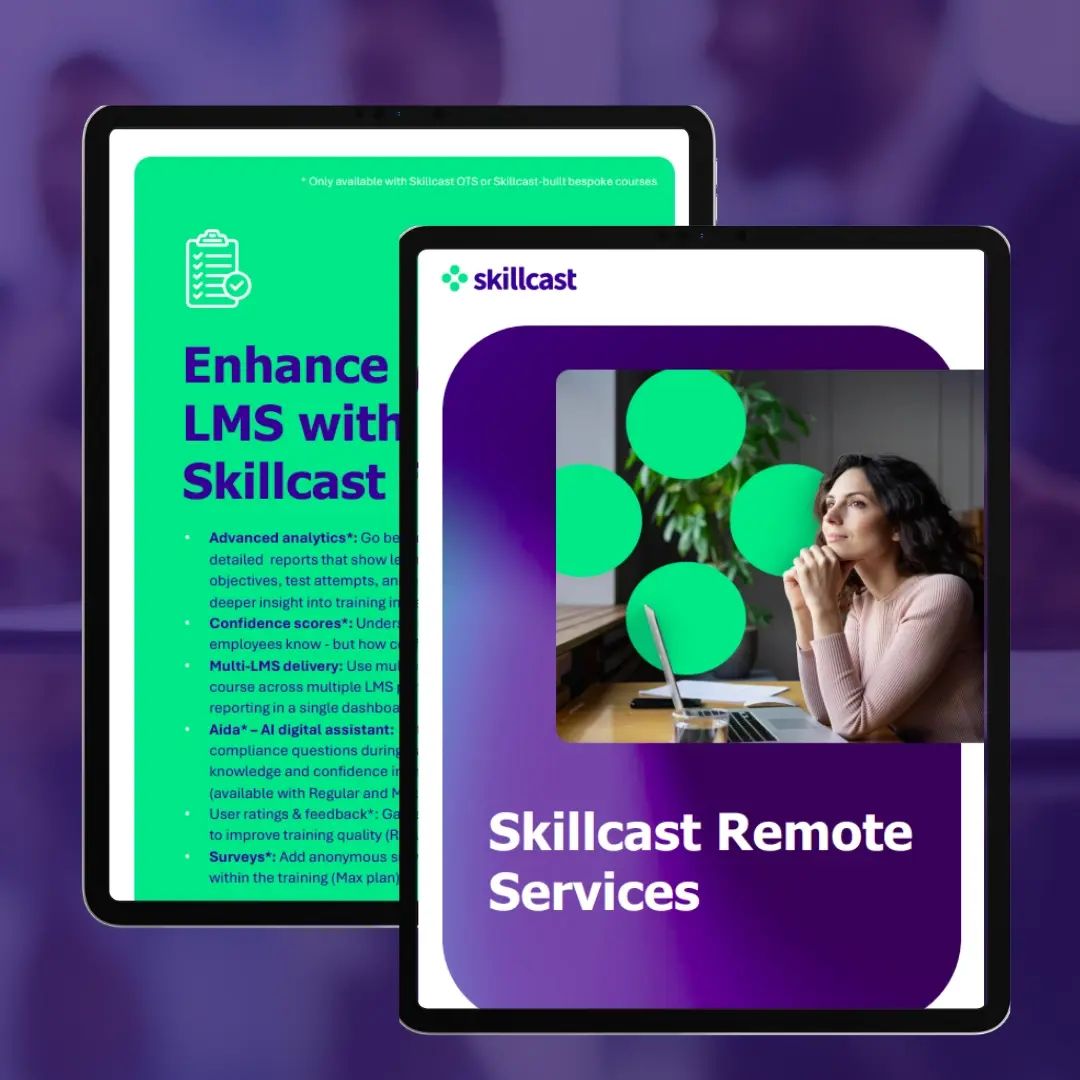
Remote Services Brochure
Keep your existing LMS and still benefit from Skillcast content and features. This brochure explains how SRS uses the industry-standard Remote SCORM framework to link your LMS with courses hosted on Skillcast, keeping user management and completion records on your system. It also covers dynamic content updates, advanced analytics, confidence scores, multi-LMS delivery and Aida, and compares the Remote Lite, Regular and Max plans.
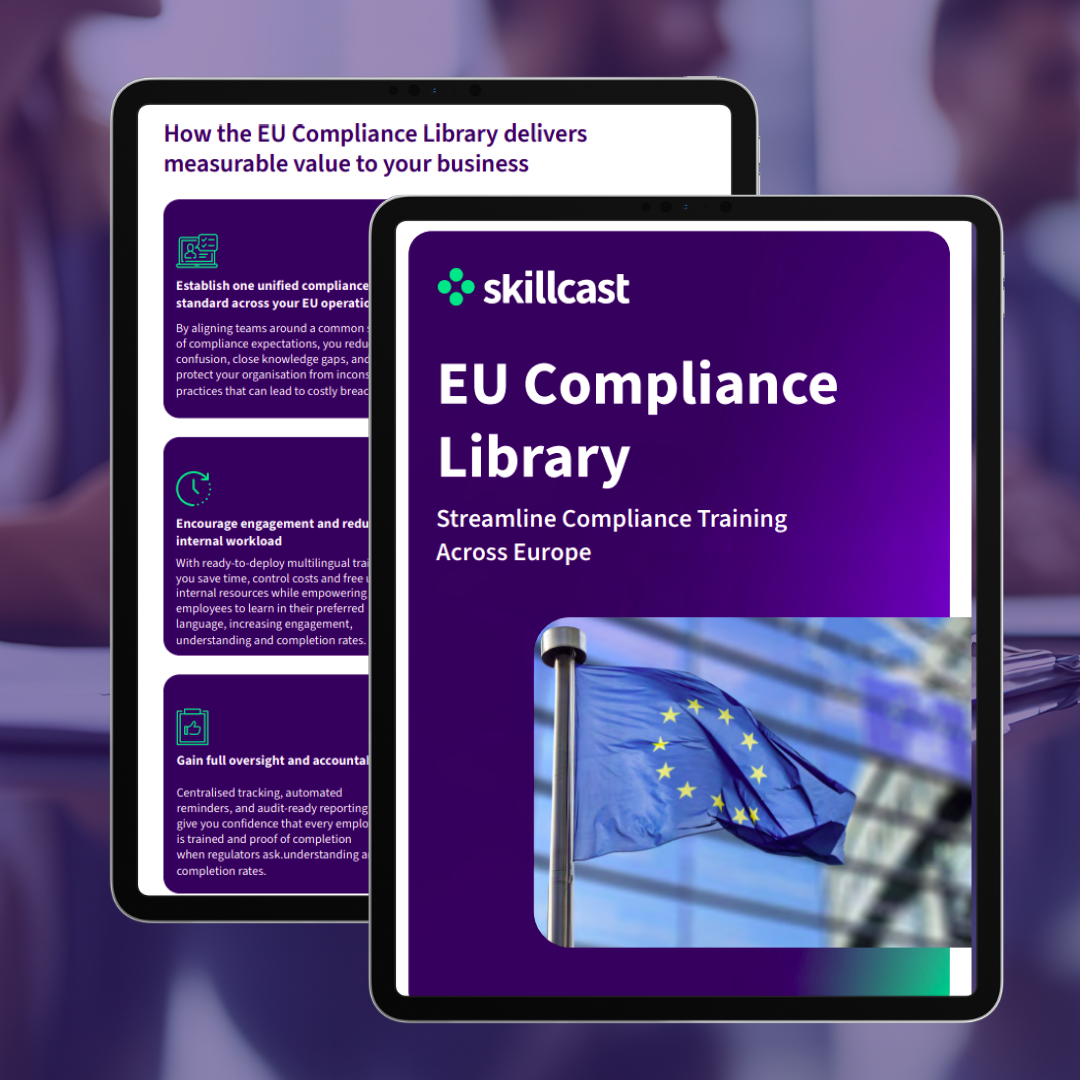
EU Compliance Brochure
Standardise compliance training across your European operations. This brochure introduces 40+ in-depth and microlearning courses on core EU topics, including anti-money laundering, GDPR, DORA, market abuse and the responsible use of AI. Courses are available in English, French, German and Dutch, and learners can switch language with a single click. It outlines the benefits for compliance, legal, HR and learning and development teams, and includes the full course list.