
Featured resource

Seminar
Seminar: Inside the Fraudster's playbook
What you'll learn
- How criminals identify cultural and behavioural weak spots and the signals that make an organisation an easy target.
- The social-engineering methods fraudsters use and which roles are most vulnerable.
- Where internal processes and behaviours fail, and how those failures are exploited from the inside.
- How money-mule networks and illicit financial flows operate within the evolving EU AML landscape.
Why should you watch?
- Understand how fraudsters think including how they spot weak cultures and behavioural gaps.
- Learn the psychological and manipulation tactics used to influence capable employees at every level.
- See why “policy exists” is not the same as “policy is followed,” and how Compliance leaders can close that gap through behavioural insight and engagement.
What's included
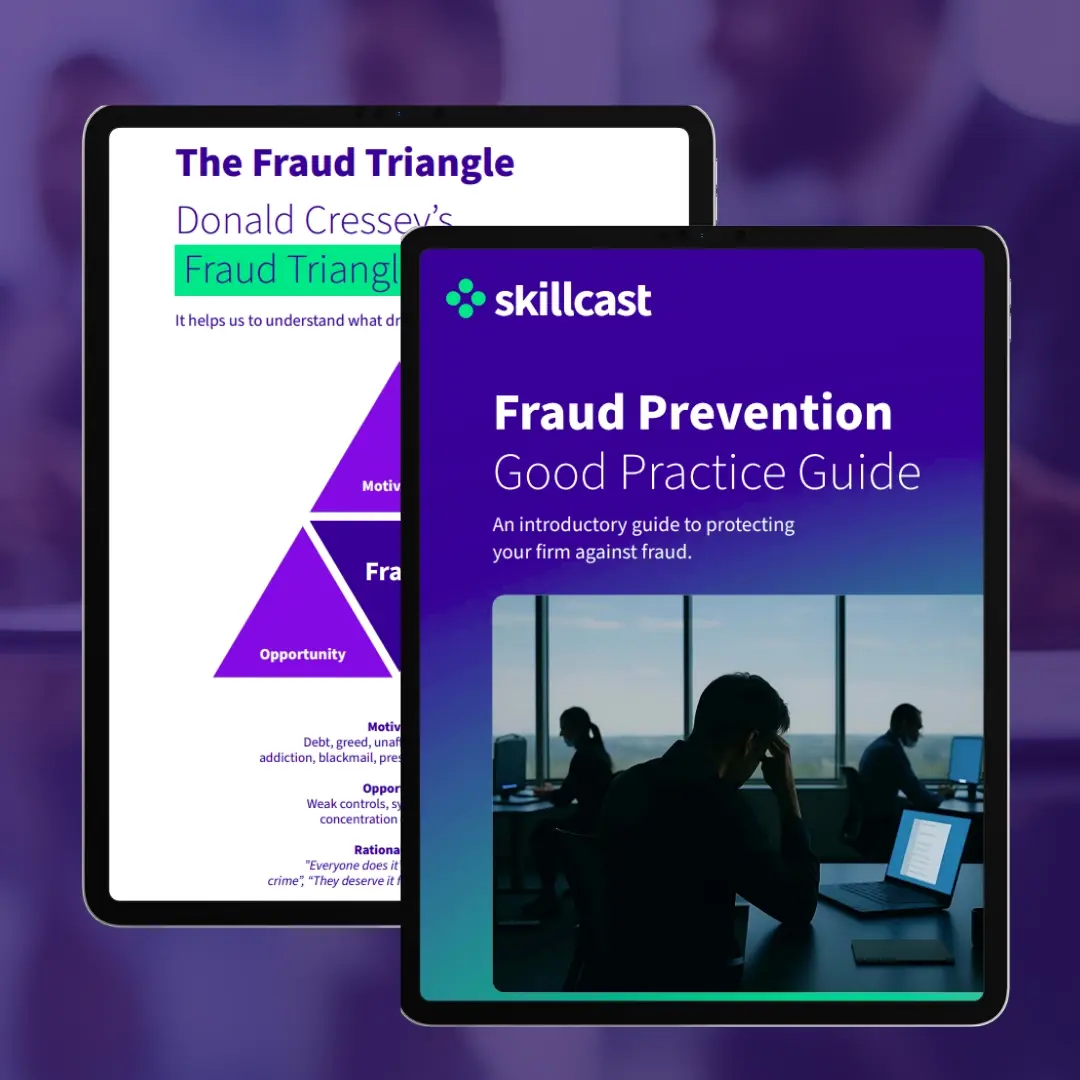
Guide: Fraud Prevention Good Practices
What does it include:
- Overview of UK Fraud Act and ECCTA 2023
- Common fraud types and warning signs
- The Fraud Triangle explained
- Fraud prevention strategy framework
- Risk assessment checklists for internal and external threats
- Links to official fraud prevention resources
Who's it for?
- Compliance and risk teams
- Finance and audit professionals
- HR and procurement managers
- Senior leaders seeking robust fraud controls
%20(1).png)
Guide: Social Engineering and Fraud Risk
What does it include:
- A clear breakdown of today's most common social‑engineering tactics, from enriched impersonation to deepfakes and AI‑generated fraud scripts.
- Insight into how fraud is shifting from technical breaches to psychological manipulation, and why this makes customers and employees more vulnerable.
- A practical overview of upcoming PSD3/PSR requirements, including liability changes, name‑matching rules, and expectations for human‑led fraud support.
Who's it for?
- Compliance & Risk leaders
- L&D/Training managers
- HR & People teams
- Customer‑facing teams who need to recognise manipulation cues
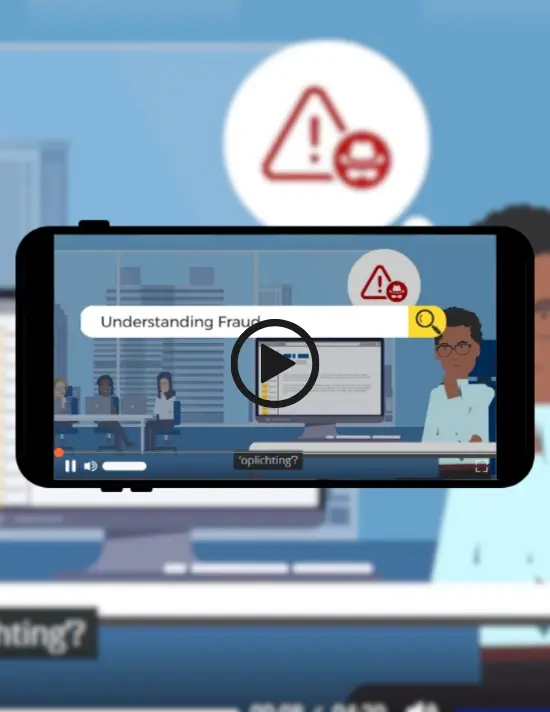
Microlearning: Understanding Fraud
What does it include:
- What fraud is, why it matters, and the key elements of intent, deception and unfair advantage or harm.
- How to recognise different forms of fraud, from common scams to misuse of personal information or position.
- How employees can help prevent fraud by staying alert, reporting concerns and using appropriate reporting channels.
Who's it for?
- Compliance and risk teams
- HR and procurement managers
- Senior leaders seeking robust fraud controls
Learn with the Skillcast blog
Best practices, expert opinions, and emerging industry trends — all in one place.

Social engineering and fraud risk: What financial services...
7 minute read
Fraud losses in Europe hit €4.2bn in 2024 as AI-driven social engineering scams surge. Ahead of ECEI in Berlin, explore the key risks and how firms must adapt.

The World's Biggest Accounting Fraud Scandals | Skillcast
8 minute read
Should auditors be blamed when there are accounting scandals and accounting fraud? Or should companies be doing more to prevent fraud in the first place?