
What you'll find in our Insurance Compliance course library
See what's included in our Insurance Compliance course library below. Looking for something specific? Use the search bar to find what you need. If you have any questions, don't hesitate to reach out and tell us more about your requirements - we're happy to help.

SM&CR in Practice
Most SMCR problems are not caused by bad intent. They happen because a responsibility was never formally allocated, a handover note was thin, or oversight of delegated work left no trail. Built as a working reference rather than a one-off tick, it answers the question the FCA asks: how does a firm know its senior population understands what it owns?

Conduct Rules for Senior Managers at Insurance Firms
Conduct Rule breaches are reportable, and the reporting itself creates a supervisory conversation your firm will want to be ready for. Training senior managers properly reduces the number of breaches worth reporting in the first place. It also gives your compliance function a straightforward answer when asked how the leadership population was made aware of its personal obligations.

Operational Resilience
Insurers and banks face resilience expectations from both regulators at once, and the two do not always ask the question in the same way. Staff who understand the underlying framework can answer either version. Building this course into your programme spreads that understanding beyond the small group who wrote the policy, which is where most resilience frameworks quietly fail.

Conduct Risk
The FCA judges firms on customer outcomes, and outcomes are produced by thousands of small decisions taken by people who are not thinking about regulation at the time. That is what makes conduct risk hard to control through policy alone. This course gives staff the vocabulary to recognise a conduct issue while it is still a choice rather than a complaint.

Complaints Handling E-learning for the Insurance Sector
Complaints are not just a service problem. They are a data source the FCA reads, and poor handling turns a resolvable issue into an Ombudsman referral with costs attached. Most mishandled complaints were simply never recognised as complaints at the point of contact. Training all customer-facing staff fixes that at source and improves the quality of the root cause data your firm reports.
%20-ID.webp)
Insurance Distribution Directive (IDD)
Distribution rules apply to more roles than firms tend to assume, catching intermediaries, ancillary sellers and staff who influence a sale without advising on it. Getting scope wrong is the most common IDD failing. This course gives your teams a clear read on where the Directive bites, which supports both your training and competence records and your product oversight arrangements.

Treating Customers Fairly
TCF is often reduced to a poster and a policy. The regulator measures outcomes, which means fairness has to be visible in pricing, claims handling, renewals and the way exceptions are treated. This course gives staff a working test they can apply to their own decisions, and it strengthens the outcomes evidence your firm needs when demonstrating fair treatment across the product lifecycle.

Ethical Standards in Insurance and Investment
Professional standards in these sectors are enforced through several routes at once, including the regulator, professional bodies and the employment relationship. A single lapse can end a career even where no rule was formally broken. Setting expectations explicitly protects individuals as much as the firm, and gives managers a clear reference point when standards need to be discussed.

Information Barriers in the Insurance Sector E-learning Course
Insurance groups often combine underwriting, broking, claims and investment activity under one roof, which creates conflicts that clients rarely see and regulators reliably look for. Barriers only work when staff know they exist and why. This course makes the boundaries visible to the people working either side of them, which supports both your conflicts register and your handling of confidential client information.

Managing Compliantly in General Insurance Training Course
Compliance culture is set by what managers tolerate, notice and reward. Policies are read once; a manager's reaction to a shortcut is read every day. Training your management layer specifically, rather than folding them into all-staff awareness, targets the population with the most influence over conduct outcomes and gives your firm a credible answer on how tone from the middle is set.

Introduction to UK Financial Regulation
New joiners and staff in support functions often work for years without a clear picture of who regulates the firm or why a particular rule exists. That gap makes every subsequent compliance message harder to land. Establishing this grounding early gives the rest of your training programme something to attach to, and it supports the competence expectations that sit under SM&CR.

Approved Persons Training Course
Appointed representatives sit outside SM&CR but inside the principal firm's responsibility, which is a distinction that regularly gets lost. The principal answers for the AR's conduct. Training the AR population on the regime that actually applies to them protects the principal's regulatory position and closes an oversight gap the FCA has repeatedly identified across the AR model.

CONC - Consumer Credit Regulations
Consumer credit firms often came into FCA regulation from a different supervisory culture, and the gap between old practice and current expectation persists in places. Understanding how CONC sits alongside the Principles, the Consumer Duty and the wider Handbook helps staff see why a rule exists rather than treating it as procedure, which is what makes compliance survive staff turnover.

Conflicts of Interest in Insurance
Insurance groups often place underwriting, broking, claims and advice under one roof, which produces structural conflicts clients cannot see and regulators reliably look for. Remuneration structures add another layer. Training staff to recognise conflicts in their own work keeps your conflicts register accurate, which is the document the FCA will ask for first when testing whether client interests come first.
%20-ID.webp)
Financial Crime Prevention (Commercial Insurance)
Commercial insurance carries financial crime exposure that personal lines does not: complex ownership structures, premium flows across borders, and claims that can be used to move value. Underwriters and claims handlers see the detail first. Training them properly turns the technical population into a detection layer, which is where suspicious activity in this market is most likely to surface.

Claims Handling - General Insurance
The claim is the moment a policy is tested and the moment a customer decides what the insurer is worth. Poor handling here produces complaints, Ombudsman referrals and the outcomes data the FCA scrutinises most closely. Training everyone involved in the claims journey, including those who never speak to a claimant, is what keeps fair treatment consistent under volume pressure.
%20Regulation%20-ID.webp)
Packaged Retail and Insurance-based Investment Products (PRIIPs) Regulation for Insurance Firms
Key information documents look like a document production exercise until the figures in them are challenged. Errors in risk indicators, cost disclosure or performance information affect every investor who received them, which makes remediation expensive and public. Training the product, marketing and compliance staff who create and check these documents is the practical control on a regime with very little tolerance for error.

Prudential Regulation for Insurance Firms
Insurers carry prudential obligations that shape reserving, capital and reporting, yet most staff never see how their work connects to them. Underwriting decisions, claims reserves and data quality all feed the prudential position. Giving the wider business a working understanding improves the quality of what reaches the actuarial and finance functions, and supports the competence expectations that sit under the regulatory regime.
%20in%20Insurance%20for%20Managers_ID.webp)
Understanding Failure to Prevent Fraud (FTPF) in Insurance for Managers
Insurance distribution runs through brokers, agents, appointed representatives and third party administrators, all of whom may be acting on the firm's behalf for the purposes of this offence. That is a wider net than most firms have assessed. Training managers who own those relationships is the practical route to a defence that will hold under scrutiny.

CASS Overview for Insurance
Insurance intermediaries hold client money routinely through premium and claims flows, often without describing it that way internally. Risk transfer arrangements, non-statutory trusts and premium handling all carry CASS implications. Establishing a shared understanding across the business is what prevents a routine banking or reconciliation decision becoming a breach that has to be reported.

Contract Certainty
Where terms remain unagreed after inception, the dispute surfaces at claim, which is the worst possible moment for both parties. Contract certainty remains a supervisory expectation rather than a historical exercise, and evidence of compliance is monitored. Training underwriting and broking staff protects the client relationship and keeps your firm's certainty statistics defensible.

Overview of SM&CR for Dual Regulated Firms
Dual regulation means two supervisors with overlapping but distinct expectations, and the SM&CR obligations are correspondingly heavier. Staff who understand how the regime is structured support it far better through the hiring, reference and certification processes that carry the administrative load. That understanding is also what keeps the firm's responsibilities map accurate between formal reviews.
-ID.webp)
Conduct Rules for Non-Executive Directors (NEDs)
NEDs are held to a higher standard of accountability precisely because they are expected to challenge. That is difficult to do well without a clear view of what the regulator expects of the role. Including your board and committee members in the compliance programme closes a gap most firms leave open, and it is straightforward evidence of governance quality.

Agency Law
Whose agent someone is at a given moment decides who bears the loss when something goes wrong, and in insurance that answer changes depending on the transaction. Firms discover the position during a dispute rather than before it. Grounding staff in agency principles protects the firm's position in placement and claims, and clarifies the authority actually being exercised.

An Introduction to Solvency UK
Solvency requirements are usually seen as an actuarial matter, which leaves the rest of the business unable to see how underwriting, reserving and data quality feed the capital position. Poor input at the operational level becomes a capital problem. Spreading a basic understanding improves the quality of what reaches the specialists and supports wider regulatory competence expectations.

Insurance Act 2015
The Act rebalanced the relationship, replacing the old disclosure regime with a duty of fair presentation and introducing proportionate remedies rather than automatic avoidance. Underwriting, broking and claims teams all work under the new position whether or not they have been trained on it. Making the changes explicit protects your firm's coverage decisions and reduces disputes that are expensive to argue.

Principles of Insurance
Staff who know the process but not the principles behind it struggle when a case does not fit the standard path, which is exactly when the decision matters most. Legislative change has also moved several of these principles from where long-serving colleagues learned them. Grounding the whole team in the fundamentals produces better technical decisions and fewer disputes that could have been avoided.

The UK Insurance Market
New entrants to insurance often learn one firm's processes without ever seeing how the market fits together, which limits their judgement when a risk moves outside the usual channel. Understanding who carries which role clarifies where responsibility and remuneration actually sit. It also supports the competence expectations that apply across regulated insurance activity.
%20in%20Insurance_ID.webp)
Understanding Failure to Prevent Fraud (FTPF) in Insurance
Insurance business flows through brokers, agents, appointed representatives and third party administrators, many of whom act on the firm's behalf for the purposes of this offence. Claims and premium handling also create direct opportunity. Training staff on how the offence operates supports the reasonable procedures defence and strengthens the counter-fraud controls insurers already maintain.

Senior Management Arrangements Systems and Controls
SYSC underpins almost every other supervisory expectation, including SM&CR, operational resilience and financial crime controls. When responsibilities are unclear at this level, the gaps show up everywhere downstream. Training your senior population on the framework itself, rather than the individual regimes built on it, produces governance arrangements that hold together rather than accumulating in layers.

Training and Competence
Competence is a continuing obligation, not a threshold cleared at recruitment, and firms are judged on the records that show how it was maintained. T&C gaps typically surface during a past business review, when the people involved have left. Making the regime understood by staff as well as supervisors improves the quality of those records while they can still be created properly.

Overview of the Consumer Duty
The Duty shifted supervision from process compliance to outcome evidence, which means the firm has to be able to show what actually happened to customers. That data comes from operational activity across the business. Staff who understand what the Duty is measuring produce better evidence without being asked, and the board attestation rests on something more solid than a policy review.

Good Outcomes for Vulnerable Customers
Vulnerability is usually situational and temporary rather than permanent, which is why a fixed customer flag is a poor substitute for a trained person. The FCA has published findings showing firms recognise vulnerability far less often than their customer base would predict. Building recognition into front-line practice is what makes your vulnerable customer policy produce different outcomes rather than different records.

ICOBS - Providing Information and Advising
The distinction between information and advice determines what the customer is owed and what the firm is liable for, and it is crossed easily in conversation. Fee and remuneration disclosure is another area the FCA reviews regularly. Training intermediary staff on both protects the customer outcome and gives the firm files that hold up when a case is examined later.

General Insurance Pricing Practices
Price walking was a business model before it was a breach, which means the rules cut across pricing, marketing and retention practice that once seemed normal. Attestation and reporting requirements sit on top. Training the teams who set and apply pricing is what turns the fair value assessment from a document into a constraint that actually shapes decisions.

CASS 5 - Client Money - Insurance Distribution Activity
Insurance intermediaries handle client money constantly through premium and claims flows, often without labelling it as such internally. Risk transfer arrangements and trust structures determine whose money it is at any given moment, and getting that wrong is a reportable breach. Training operations and finance staff together is what keeps daily banking practice aligned with the trust arrangements on paper.

Meeting the Conduct Rules in Insurance Firms
Insurers sit under two regulators whose conduct rules overlap without being identical, and staff are rarely shown which is which. Breaches are reportable and follow individuals through regulatory references. Making the distinction clear across the firm reduces the number of reportable breaches and gives your certification and reference processes accurate information to work from.

CASS 8 - Mandates
Mandates are the CASS category most often overlooked entirely, because a firm can hold one without ever handling client money directly. Direct debit authorities and standing instructions can create them without anyone recognising it. Firms usually find out during an audit. Training the staff who set up and administer these arrangements is how you identify mandates before an auditor does.

CASS 9 - Information to Clients
Reporting obligations under CASS 9 are specific about content and timing, and shortfalls go unnoticed until an audit or a client query exposes them. Nobody complains about information they did not know they were owed. Training operations and client service staff on the requirement keeps your firm compliant with a rule that is simple to meet and difficult to justify having missed.

ICOBS - General Matters
Customer categorisation determines what protections apply, and getting it wrong changes what the firm owes for the life of the relationship. The clear, fair and not misleading standard now sits alongside the Consumer Duty's requirement that customers actually understand what they are told. Training staff on both keeps your communications defensible and your categorisation decisions consistent.

Whistleblowing in Insurance
Insurers subject to Solvency II fall within the mandatory whistleblowing regime, which requires appointed champions, defined channels and specific reporting. Rules alone do not make people speak up; confidence in the protection does. Making both the process and the protections explicit across the firm is what turns a compliant structure into a channel that actually receives concerns.

Fit and Proper Assessments
Fit and proper assessment is an annual obligation for certified staff, not a one-off hurdle at appointment, and the records supporting it are examined during supervisory work. Non-financial misconduct now features explicitly in how the FCA approaches it. Making the criteria clear to the population being assessed produces better disclosure and cleaner certification decisions.

Appointed Representatives Regulatory Responsibilities for Insurance Firms
Insurance distribution runs through extensive AR and introducer networks, and the principal remains accountable for what happens at the point of sale. Product oversight and fair value obligations reach the AR's activity too. Training the network directly gives principals evidence of oversight and reduces the distance between the standards set centrally and the conversations customers actually have.

ICOBS - Cancellation and Claims
Cancellation and claims are the two moments a customer finds out what their policy is actually worth, and both generate complaints out of proportion to the volume of transactions. Delays and unclear decline reasons are the usual causes. Training the staff who handle these processes improves outcomes at the point the FCA measures most closely and reduces referrals to the Ombudsman.

ICOBS - Distance Communications
Almost all insurance is now sold at a distance, which means these rules apply far more widely than the name suggests. Requirements around pre-contract information and cancellation rights are specific and time-bound. Training the staff who design and operate online and telephone journeys keeps compliance built into the process rather than checked afterwards.

Principles for Businesses
The Principles are how the FCA acts where no detailed rule was breached, which makes them the most consequential part of the Handbook for anyone exercising judgement. Staff who know them can navigate situations the rulebook does not anticipate. That capability matters more as the Consumer Duty pushes supervision further toward outcomes and away from process.

Non-Financial Misconduct
The FCA has made clear it will consider non-financial misconduct when assessing fitness and propriety, which turns behaviour previously treated as an HR matter into a regulatory one that can end a career in financial services. Firms are also expected to report it. Making that connection explicit changes how seriously the population treats conduct that would otherwise stay informal.

Introduction to the Consumer Duty
Outcomes are shaped by teams that never speak to a customer, through pricing, process design and service levels. A short introduction is the proportionate way to give those teams the vocabulary without a full course. It also establishes the shared understanding your firm depends on when it has to evidence outcomes rather than describe procedures.
-E.webp)
Introduction to the Senior Managers and Certification Regime (SMCR)
Most people at a regulated firm are affected by at least one part of the regime without ever having it explained to them. That gap shows up in reference requests, certification cycles and breach reporting. A short introduction across the whole population gives everything else in your SM&CR programme something to attach to.

Conduct Rule 1: Act with Integrity
Integrity is a fundamental principle in financial services, ensuring ethical conduct and maintaining customer trust. This training explains Conduct Rule 1: Act with Integrity, highlighting its importance, examples of misconduct and the consequences of breaching this rule.
Conduct Rule 2: Act with due skill, care and diligence
People working in financial services must act with due skill, care and diligence, ensuring their actions do not harm customers or the financial system. This training explores Conduct Rule 2: Act with Due Skill, Care and Diligence, helping employees understand how to make informed decisions, assess risks carefully and maintain high professional standards.
Conduct Rule 3: Be open and cooperative with the FCA, the PRA and other regulators
Financial services firms and employees must be open and cooperative with regulators, including the Financial Conduct Authority and the Prudential Regulation Authority. This training explores Conduct Rule 3: Be Open and Cooperative with Regulators, helping employees understand their responsibilities in responding to regulatory requests and maintaining transparency.

Conduct Rule 4: Pay due regard to the interests of customers and treat them fairly
Financial services professionals must always act in the best interests of customers and ensure they are treated fairly. This training explores Conduct Rule 4: Pay Due Regard to Customers' Interests and Treat Them Fairly, helping employees understand their responsibility to provide clear, accurate and fair customer interactions.

Conduct Rule 5: Observe proper standards of market conduct
Financial markets rely on trust, integrity and adherence to established rules and ethical behaviour. This training explores Conduct Rule 5: Observe Proper Standards of Market Conduct, ensuring employees understand their responsibility to uphold market integrity and comply with regulatory standards.

Conduct Rule 6: Act to deliver good outcomes for retail customers
Financial services professionals must act in good faith, prevent foreseeable harm and support customers in achieving their financial objectives. This training explores Conduct Rule 6: Act to Deliver Good Outcomes for Retail Customers, ensuring employees understand their role in delivering fair treatment and transparent services.

A brief history of insurance regulation in the UK
The UK's rich insurance history has shaped modern regulations that maintain fairness and stability in the market. This training provides an overview of the UK's insurance evolution and the key laws and regulations that govern the industry today.

The Insurance Distribution Directive
The Insurance Distribution Directive is a European Union and United Kingdom regulation designed to protect consumers in insurance transactions. This training outlines its requirements, including communication standards, continuing professional development and product governance.

Agency authority in insurance
Agency is a relationship where an insurer appoints an agent to act on its behalf. This training explains different types of authority agents may have and the implications for insurers and policyholders.

Agency in insurance
An agency relationship in insurance allows one party to act on behalf of another, typically a principal engaging an agent. This training explains the roles and responsibilities within insurance agency relationships and highlights key compliance and fiduciary duties.

Functions within insurance firms
Insurance firms perform a variety of functions to create and distribute products, manage risk and serve policyholders. This training explains the core roles within an insurance firm, including Underwriting, Customer Service, Claims Processing and Compliance.

Lloyd's of London
Lloyd's of London is the world's foremost specialist insurance and reinsurance marketplace. This training provides an overview of its structure, operations and regulatory framework.
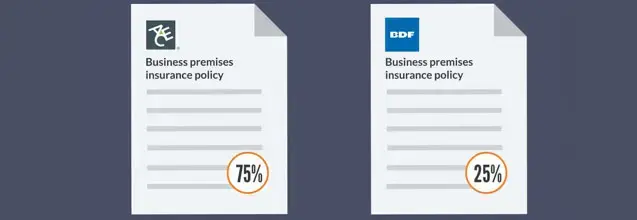
Principle of contribution
The principle of contribution ensures that an insured party can recover losses from multiple insurers without exceeding the total amount of the actual loss. This training clarifies how contribution works in insurance and the obligations it imposes on all parties.

Principle of indemnity
Indemnity ensures that an insurer compensates the policyholder only for actual losses incurred, not for any potential gain. This training covers how indemnity functions and its limitations in different types of insurance policies.

Principle of insurable interest
Insurable interest is the requirement that a policyholder benefits financially from the safety of the insured item or person and suffers a loss if it is harmed. This training explores the principle of insurable interest and provides examples of when this interest exists or ceases to exist.

Principle of proximate cause
Proximate cause determines which event in a chain of incidents is the primary cause of an insurance claim. This training explains the principle of proximate cause and how it applies to personal injury and property damage claims.

Principle of subrogation
Subrogation allows an insurer that pays a claim to step into the policyholder’s shoes to seek reimbursement from the responsible party. This training explains how the principle of subrogation works in insurance and how it ensures fair cost recovery.

Principle of utmost good faith
Utmost good faith, or "uberrima fides", is a principle in insurance contracts requiring both the insurer and the insured to act honestly and not withhold critical information. This training explains the concept of utmost good faith and how it applies to the responsibilities of both parties in an insurance contract.

Re-insurance
Reinsurance is a financial arrangement where insurance firms transfer some of their risks to specialised reinsurers. This training explores how reinsurance supports insurers in managing risk and maintaining financial stability.

Structure of the UK Insurance Market
The UK insurance market has evolved into one of the most advanced ecosystems globally. This training explores the roles of insurance firms, intermediaries and reinsurers.

Purpose-designed software to enhance your compliance efforts
The Skillcast Portal provides a central platform for handling e-learning and policy management, staff disclosures, compliance registers, and more. Available in three plans - Standard, Enhanced and Premium - our portal enhances how you deliver compliance training. Plus, all plans come with our five-star managed services and security as standard.
