
Whistleblowing
-
 15 Minutes
-
 For all staff
-
 UK
This whistleblowing refresher reminds UK staff why speaking up matters, and what’s changed, or not, since they last did the training. The aim is simple: to help everyone feel confident about reporting misconduct and to be clear on what happens if they do.
A quick recap. Whistleblowing means raising a concern about improper conduct, whether that’s fraud, a safety risk or a breach of company policy. Internal reporting systems and clear reporting procedures give people a safe route, and legal protections rest on good-faith reporting. What happens next? Confidentiality and anonymity help people come forward, and the investigation process should be fair and well recorded. Whistleblower protection means employee rights stand, whatever the outcome. Why it matters? Integrity and corporate responsibility depend on people being willing to speak up.
What you’ll learn in
this course
- Discover what whistleblowing is and the scope of whistleblowing
- Understand the kind of protection provided to whistleblowers
- Learn about our Company's commitment to act on anything that you report
Hear from our customers
Feefo Customer Rating ★★★★★ 4.9/5








Third-Party Harassment
Customers, suppliers and visitors can all cross the line. Employers still owe a duty, and impact matters more than intention.

The 4D Bystander Intervention Model
Bystanders can help shape workplace culture. Learn when to intervene, how to use the 4D model and how to support colleagues safely and effectively.

Unwanted Behaviour of a Sexual Nature
Our UK harassment in the workplace compliance course offers a harassment definition and covers topics such as sexual harassment and offensive behaviour.

The Three Characteristics of Harassment
Ensure staff can recognise harassment, understand its impact and know how to respond to help prevent workplace harassment.

Unconscious Bias
Better decisions start with greater awareness. Learn how unconscious bias influences behaviour, affects inclusion and can be reduced in everyday workplace decisions.

The Protected Characteristics
Protected characteristics microlearning course covering sexual orientation discrimination, gender reassignment discrimination, and the other seven.

Understanding Sexual Harassment
Help staff recognise verbal, non-verbal and physical forms of sexual harassment and understand how to report concerns.

Understanding Harassment
Respectful workplaces don't happen by accident. Learn how to recognise harassment, understand its impact and respond appropriately when concerns arise.

Crossing the Line into Sexual Harassment
This crossing the line into sexual harassment microlearning compliance training for UK staff covers topics such as unwelcome behaviour and prevention.
Targets of Sexual Harassment
Anyone can be affected by sexual harassment. Learn how to recognise inappropriate behaviour, understand its impact and access support when concerns arise.
Compliments vs Sexual Harassment
Kind words or crossed lines? Compliments vs. sexual harassment microlearning e-learning for UK staff on boundaries, behaviour and awareness.
Speak Up
Speaking up protects people, organisations and workplace culture. Learn how to recognise concerns, overcome barriers to reporting and raise issues with confidence.
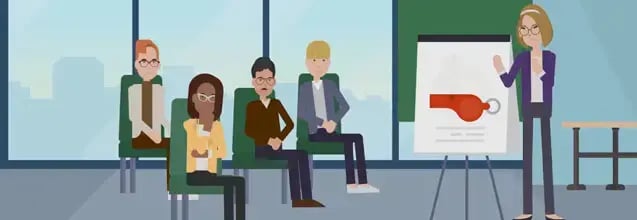
Whistleblowing
Reporting wrongdoing protects the organisation as much as the person. How the process works and the protections you can rely on.