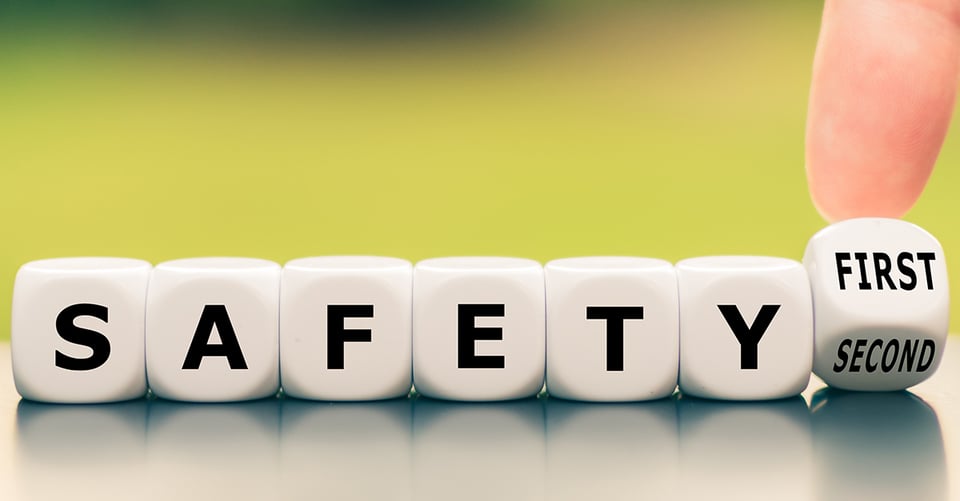
The Grenfell Tower fire tragedy still stands out as one of the worst disasters. It underlines the importance of health and safety - be it in our businesses or homes.
Key takeaways
- Use qualified experts: Hire trained health and safety officers to identify hazards effectively.
- Have an emergency plan: Ensure clear procedures for fire, first aid, and evacuations.
- Track safety issues: Maintain logs of inspections, incidents, and maintenance.
- Engage and train staff: Provide regular safety training and involve employees in safety practices.
In June 2017, a fire ripped through a 24 storey building in West London, killing 72 people and injuring more than 70 others. Grenfell Tower was home to around 500 residents, and this tragedy put health and safety practices in the spotlight.
Reasons for the Grenfell tragedy
The cheaper cladding that covered the outside of Grenfell Tower added to the speed with which the fire spread. In addition to this, the building's smoke extraction system was not working, and firefighters struggled with the water supply due to the lack of a 'wet riser'.
Could this tragedy have been avoided had tougher fire safety measures been in place when the tower was refurbished?
It goes without saying that when it comes to health and safety in business, ensuring the well-being of employees should be a top priority for all employers. After all, the consequences of getting it wrong are just all too devastating.
Of course, there are health and safety regulations in place that all businesses need to adhere to, but some follow them better than others.
Read our Health & Safety RoadmapPutting Health and Safety practices first
1. Hire a health and safety officer to inspect your work building
A full inspection is important but don't try to do this independently. A registered health and safety officer will be better qualified to detect any potential hazards or risks with the structure and layout of the building. If any risks or hazards are identified, you are then in a position to start the process of rectifying them.
2.Create an emergency action plan
Creating an emergency plan will help you control and eliminate any potential hazards in the workplace by informing your employees of the steps you are taking to improve health and safety at work. Keep first aid kits in a communal and easily accessible area and ensure your employees are fully aware of your fire drill procedure.
3. Maintain records and keep a health and safety logbook
By keeping records of any first aid, treatment administered, the dates inspections took place, and the outcome, you will be better positioned to identify trends in any potential unsafe work conditions or procedures.
4. Hold regular meetings with your employees
Having meetings with your staff will allow them to voice their opinion or raise any concerns they may have.
5. Offer health & safety training to your staff
Training should be at the core of your health and safety initiative. It should be compulsory for all employees, especially if there is a risk of potential injury associated with a particular job. The training should include any hazards and risks they may be likely to face in their work environment, implement emergency procedures, and provide a full explanation of all the measures that your company has in place to eliminate potential hazards.
6. Ensure safe DSE workstations for employees
Employers should provide properly set up Display Screen Equipment (DSE) workstations to prevent musculoskeletal strain, eye fatigue, and repetitive injuries. This includes ergonomic chairs and desks, correctly positioned screens, keyboards, and mice, good lighting, and regular breaks. Conducting DSE assessments and offering guidance not only protects employee health but also ensures compliance with legal health and safety obligations.
Want to learn more about Health and Safety?
Our Essentials library contains e-learning content designed to help organisations meet fundamental compliance requirements and features courses that help your staff understand competition law compliance. If you are looking for more focused training, we have a Health and Safety Training Package which offers a complete solution for your compliance programme. Courses in this package include:
If you would like to access leading insights and compliance tips, you can browse our free resources by topic to find guides, modules, compliance bites and more.
Explore our collection
Written by: Emmeline de Chazal
Emmeline is an experienced digital editor and content marketing manager. She has a demonstrated history of working in both the education management and software industries. Emmeline has a degree in business science, and her skillset includes Search Engine Optimisation (SEO), Answer Engine Optimisation (AEO) and digital marketing analytics. She is passionate about education and utilising her skills to encourage greater access to e-learning.

.png?width=472&name=ISO_45001_1200x627%20(1).png)