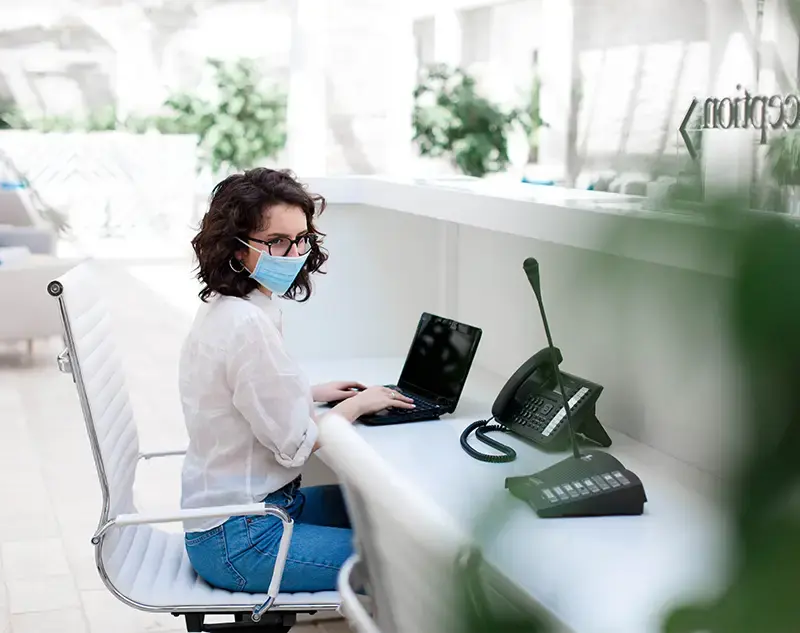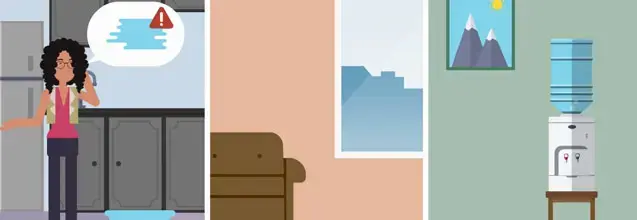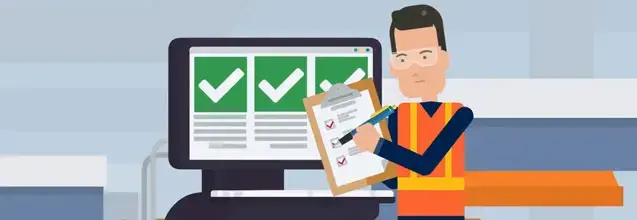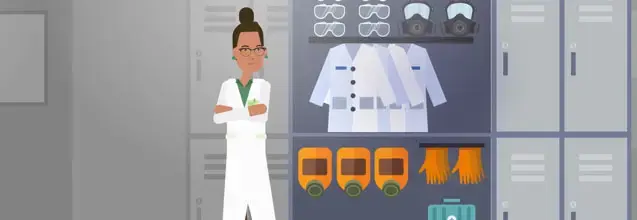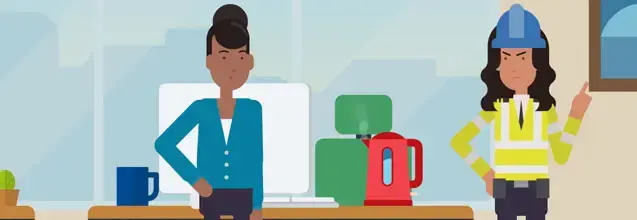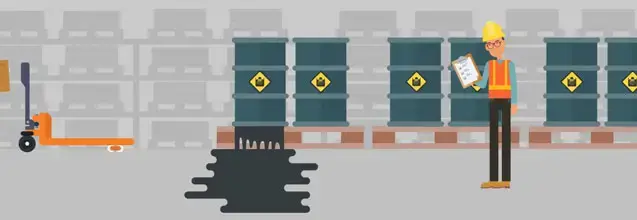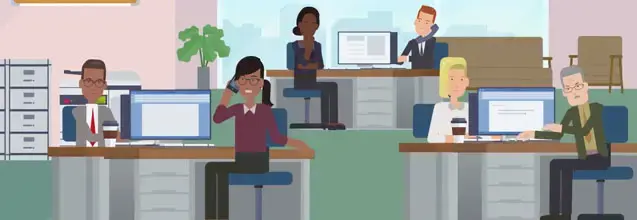
Fire safety training helps employees recognise workplace hazards and follow the procedures that protect people and property. Fundmentally, fire safety procedures only work when staff follow them. Our in-depth Fire Safety Compliance Course explains the fire safety controls that need to be in place at work, the everyday actions that keep them effective, and what staff must do when the fire alarm sounds.
Equip your workforce with the knowledge of how to follow fire safety procedures and the consequences of what happens when they don't. This RoSPA-assured fire safety course reinforces safe behaviours, reduces fire risks and helps your organisation meet its fire safety responsibilities.
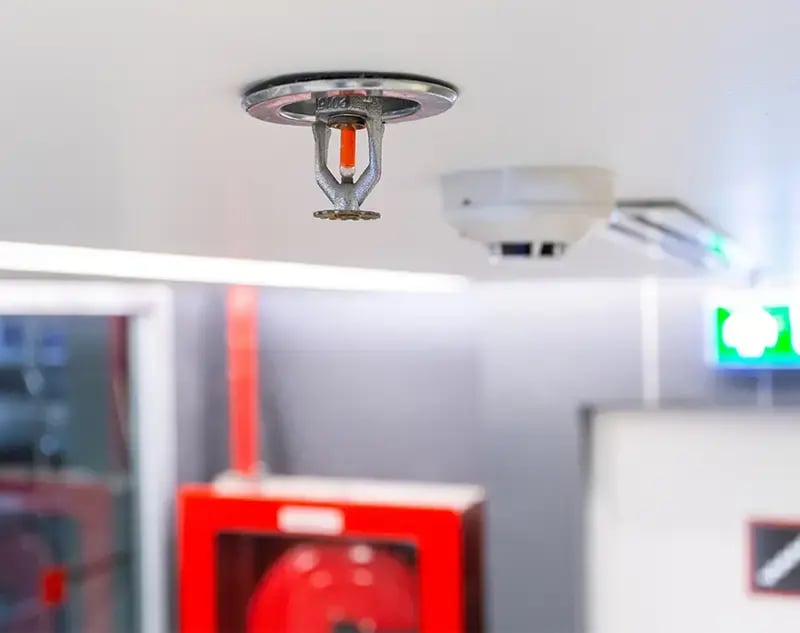
What you’ll learn in this course
Fire safety controls in place
Measures to prevent the risk of fires in the workplace
Hear from our customers
We started using Skillcast for our employee's compliance training a few months ago and the experience has been excellent. Skillcast was very efficient in the set up process they then helped support us with rolling out our staff training in a seamless way. The course content is highly detailed and professionally delivered. Overall, I would highly recommend Skillcast as your LMS training provider.
Feefo Customer Rating ★★★★★4.9/5
Ready to try this course?
Start your free trial of this course and get instant access today.
Show your team that their health and wellbeing matters most
Workplace incidents led to 33.7 million lost working days and138 fatalities in 2023/24. Our training helps prevent accidents by building awareness and encouraging safer day-to-day behaviours.
Managing Safely Compliance E-Learning for Managers
In-depth55 MinutesHealth & SafetyFor managers
Enforcement action tends to land where supervision was weak rather than where policy was missing. A manager who has never been shown how to run a risk assessment will not produce a useful one. Training your management layer separately from general staff awareness is what gives a health and safety programme its teeth, and it is a distinction the HSE recognises.

Healthy Working
In-depth45 MinutesHealth & SafetyFor all staff
Musculoskeletal problems and stress remain the two largest causes of working days lost in the UK, and both are largely preventable. Employers also carry a duty of care that now clearly extends to mental health. This course gives staff practical habits rather than warnings, and gives your organisation evidence that wellbeing obligations were addressed rather than acknowledged.
Working Safely Compliance Training Course
In-depth45 MinutesHealth & SafetyFor all staff
Health and safety duties apply to every employer regardless of sector, and the office environment produces more incidents than most organisations expect. Training all staff establishes the baseline awareness the law assumes exists. It also supports the manager-level programme, since supervision works far better when the people being supervised already understand what a hazard looks like.
First Aid Awareness
In-depth40 MinutesHealth & SafetyFor all staff
Most people freeze in the first minute of an incident because they do not know who to call or what they are permitted to do. That minute matters. Making first aid arrangements visible to everyone, rather than known only to the appointed first aiders, is a low-cost improvement that supports your wider health and safety duties under the Health and Safety at Work Act.

Working at Height
In-depth30 MinutesHealth & SafetyFor all staff
Falls from height remain the leading cause of workplace fatalities in the UK, and the majority occur at low heights during short tasks. The regulations require work at height to be avoided where reasonably practicable, which is a planning decision rather than a technique. Training staff to make that judgement gives your risk assessments effect where the work actually happens.
Ladders and Stepladders
In-depth30 MinutesHealth & SafetyFor all staff
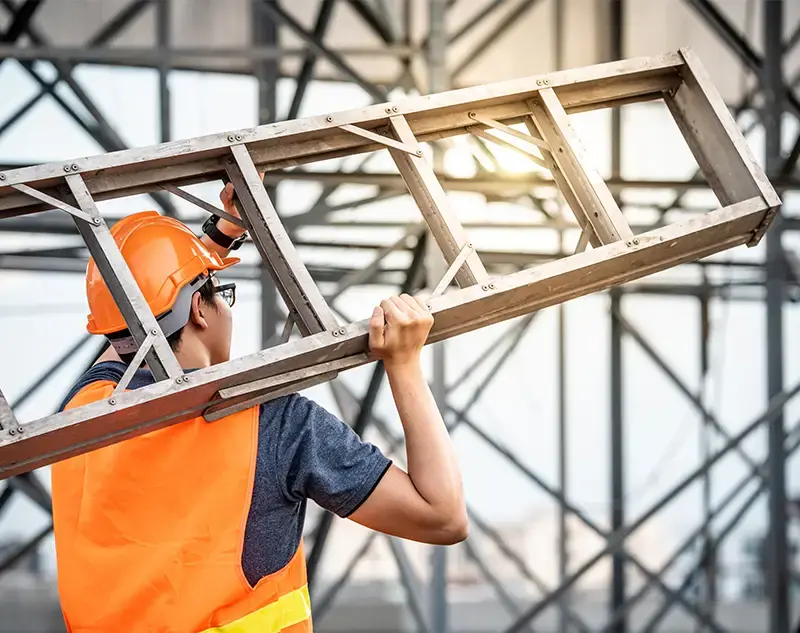
This ladders and stepladders course covers pre-use checks, regular inspections and maintenance, and the importance of competence. Learn about safe working practices, including maintaining three points of contact, and understand why reporting concerns matter. The training also explains RIDDOR, so you know what to report after an incident. By the end, you’ll have the health and safety knowledge to keep yourself and your colleagues safe.
Fire Warden Training
In-depth30 MinutesHealth & SafetyFor all staff
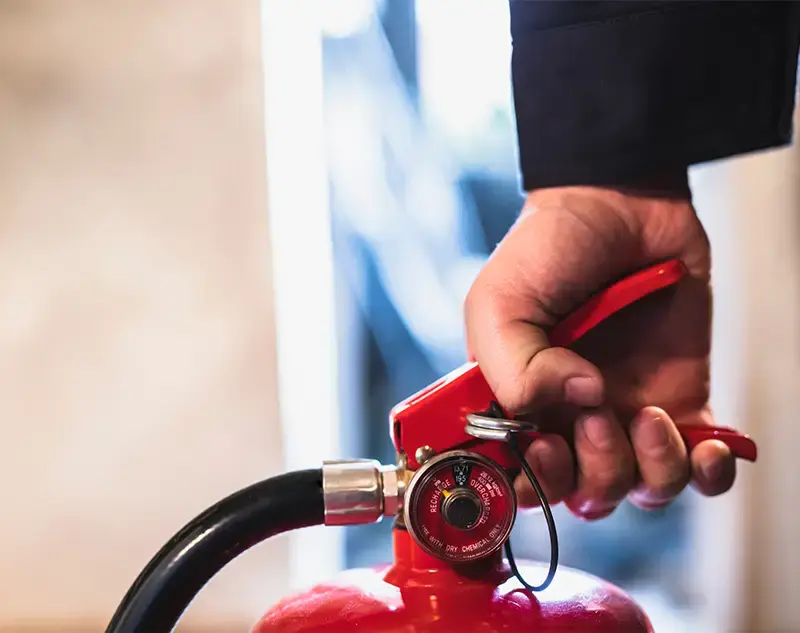
Fire wardens are appointed and then frequently left to work out the role themselves, which becomes obvious during a real evacuation rather than a drill. Sweeping procedures, assisting people who need help and accounting for visitors all need to be understood in advance. Training your wardens properly is a specific legal expectation under fire safety legislation, and it is the part of the plan most often untested.

Accident Reporting and Investigation
In-depth30 MinutesHealth & SafetyFor all staff
Investigations that stop at immediate cause produce the same accident again six months later with a different name attached. The latent failures behind an incident are usually organisational: workload, training gaps, equipment decisions. Building genuine investigation capability turns your accident data into something that prevents harm, and gives you a credible record if the HSE takes an interest.

Work-related Stress
In-depth25 MinutesHealth & SafetyFor all staff
Stress is the largest single cause of long-term sickness absence in the UK, and the HSE treats it as a workplace hazard requiring assessment like any other. It is also the risk staff are least likely to report until they are already unwell. Training the workforce makes the subject discussable, which is the only route to intervening before absence becomes the first indicator.

Violence and Aggression
In-depth25 MinutesHealth & SafetyFor all staff
Verbal abuse and threatening behaviour are widely under-reported because staff treat them as part of the job, which means the pattern never reaches the people who could change the arrangements. Employers carry a clear duty here. Training staff on both handling and reporting gives your organisation the data it needs and gives individuals permission to walk away.

Lone Working
In-depth25 MinutesHealth & SafetyFor all staff
Lone workers are more widespread than most organisations realise: home workers, staff visiting customers, early and late shift workers and anyone in a building outside normal hours. Standard risk assessments assume someone else is nearby. Making lone working visible as a category is the first step to managing it, and it protects people whose situation would otherwise go unassessed.
Asbestos
In-depth25 MinutesHealth & SafetyFor all staff
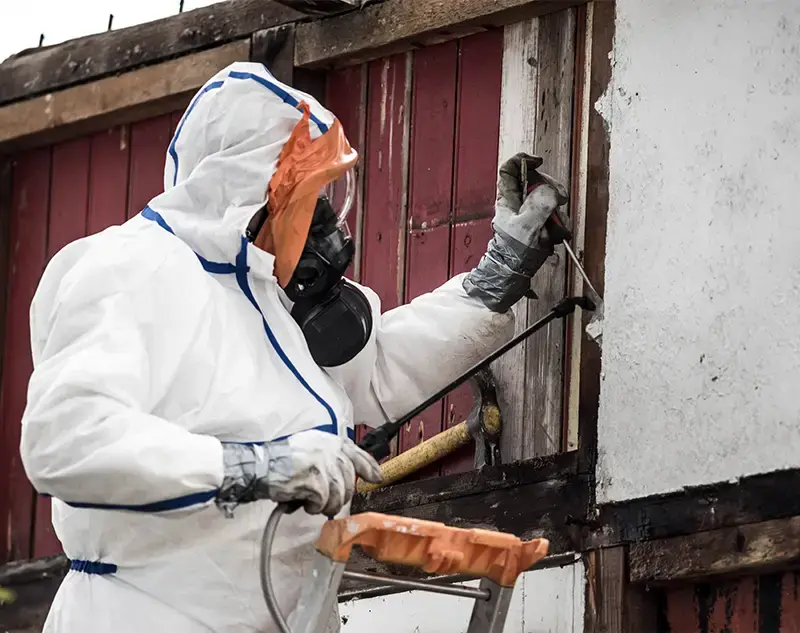
Asbestos remains present in a large proportion of buildings constructed before 2000, and disturbance during maintenance is the most common cause of exposure. The disease appears decades later. Anyone whose work could disturb building fabric needs awareness training as a legal requirement, and it is one of the clearest cases where training prevents harm nobody would otherwise see coming.

Display Screen Equipment (DSE)
In-depth25 MinutesHealth & SafetyFor all staff
Homeworking and hybrid arrangements moved DSE risk into environments no employer has assessed, and the duty did not move with it. Discomfort accumulates before anyone raises it. Training staff to set up and adjust their own workstation, wherever it is, is the only practical control at scale, and it supports your obligations under the DSE Regulations.

Hot Weather at Work
In-depth20 MinutesHealth & SafetyFor all staff
UK workplaces are built for cold, not heat, and there is no upper legal temperature limit to fall back on. That leaves the duty resting on risk assessment and on staff recognising trouble early, particularly those working outdoors, doing physical work or wearing PPE. Heatwaves are arriving more often, which makes this a recurring exposure rather than an occasional one.
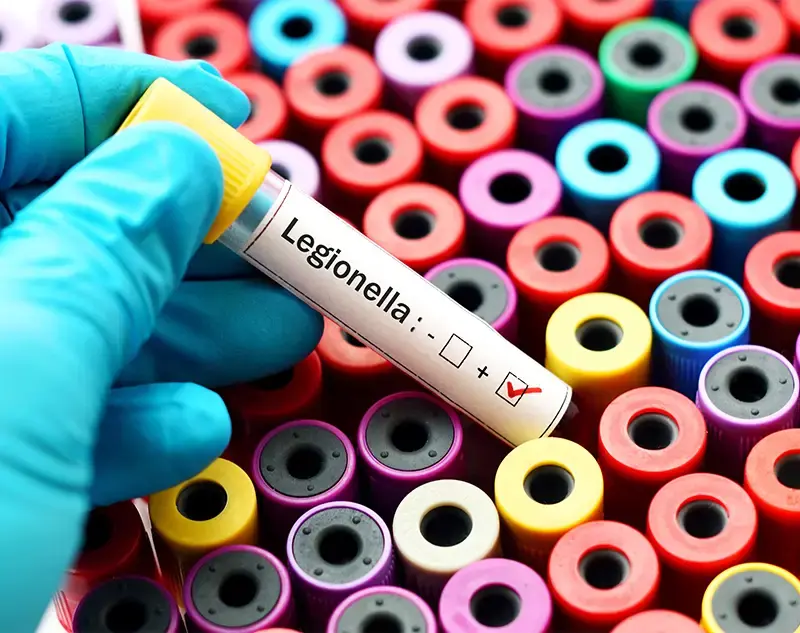
Legionella
In-depth20 MinutesHealth & SafetyFor all staff
Legionnaires' disease is serious and sometimes fatal, and outbreaks are traced back to water systems that were managed on paper rather than in practice. Low-use outlets, temperature drift and stagnant sections are the usual causes. Buildings that stood partly empty for extended periods carry particular risk. Awareness across staff supports the monitoring regime and gives it eyes between formal inspections.

General Office Hygiene
In-depth20 MinutesHealth & SafetyFor all staff
Absence from routine illness costs more in aggregate than any single serious incident, and shared desks, hot-desking and communal kitchens increase transmission. Hybrid working spread the exposure rather than reducing it. Short, practical training on hygiene is a low-cost intervention that has a measurable effect on absence and supports the general duty to provide a safe working environment.

Menopause Awareness
In-depth20 MinutesHealth & SafetyFor all staff
Menopause-related discrimination claims have been brought successfully under sex, age and disability grounds, and it remains a significant factor in experienced women leaving the workforce. Most adjustments cost little: temperature, uniform, flexibility, somewhere to step away. Training everyone rather than only those affected removes the need to explain, which is the barrier that stops adjustments being requested at all.

Mental Health at Work for Managers
In-depth20 MinutesHealth & SafetyFor managers
Managers control the factors the HSE management standards identify as drivers of workplace stress: demand, control, support, relationships, role clarity and change. They are also the first to see when someone is struggling. Training them to notice earlier and respond usefully is what turns a wellbeing policy into something that reduces absence rather than recording it.
Healthy Working
Refresher20 MinutesHealth & SafetyFor all staff
Good habits slip within months, particularly for people who changed desk, moved to hybrid working or picked up a new device. Musculoskeletal problems build gradually and are rarely reported until they hurt. A short annual refresher is proportionate to the risk, keeps your duty of care evidenced, and costs far less than the absence it prevents.
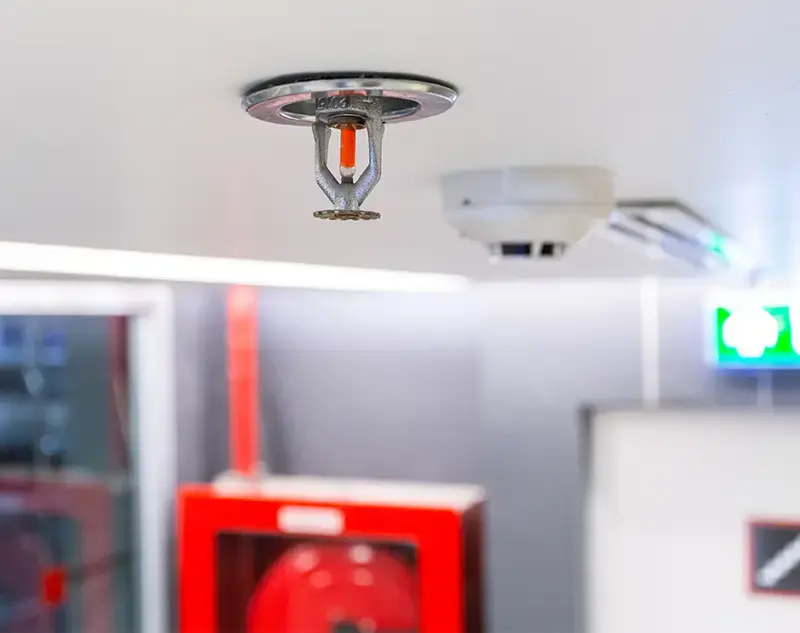
Fire Safety Compliance E-Learning Course
In-depth20 MinutesHealth & SafetyFor all staff
Fire safety training helps employees recognise workplace hazards and follow the procedures that protect people and property. Fundmentally, fire safety procedures only work when staff follow them. Our in-depth Fire Safety Compliance Course explains the fire safety controls that need to be in place at work, the everyday actions that keep them effective, and what staff must do when the fire alarm sounds. Equip your workforce with the knowledge of how to follow fire safety procedures and the consequences of what happens when they don't. This RoSPA-assured fire safety course reinforces safe behaviours, reduces fire risks and helps your organisation meet its fire safety responsibilities.

New and Expectant Mothers at Work
In-depth15 MinutesHealth & SafetyFor all staff
After notifying their manager by written notification, a risk assessment follows. Common risks include work-related stress, posture issues and long working hours. If a risk can’t be removed, the employer should adjust working conditions or offer alternative work, guided by medical advice, with safety measures kept under review. Support continues after the birth. Breastfeeding mothers need a suitable place for expressing milk, and time off for antenatal appointments is an employee right from day one. Company policy should explain how to raise concerns, including through whistleblowing.

DSE
Express15 MinutesHealth & SafetyFor all staff
Discomfort from screen work builds slowly and is usually tolerated until it becomes an injury that needs time off. Laptops, second screens and kitchen tables have made the exposure harder to see. The short format suits a risk that needs periodic reminding rather than deep explanation, and it keeps your DSE duties evidenced across a workforce that now works from several places.
Working Safely
Refresher15 MinutesHealth & SafetyFor all staff
Safety awareness fades between annual courses, and people who have moved role, site or working pattern will be operating on assumptions that no longer hold. Most incidents follow a hazard somebody noticed and did not report. A short refresher keeps that reporting habit alive across the workforce and supports the general duties every employer owes its staff.

Mental Health at Work
In-depth15 MinutesHealth & SafetyFor all staff
Build awareness across your workforce so staff can recognise when something is wrong and know when to seek support.This practical workplace mental health e-learning helps make conversations easier, encourages earlier action and supports a healthier working environment before concerns lead to prolonged absence.
New and Expectant Mothers at Work
Microlearning5 MinutesHealth & SafetyFor all staff
When an employee is pregnant or returning from maternity leave, certain legal rights and health considerations apply. This training explores these rights, the required risk assessments and how to ensure a safe and supportive workplace.
Mental Health at Work
Microlearning5 MinutesHealth & SafetyFor all staff
Stress, anxiety and depression are major workplace health risks, accounting for over half of work-related ill-health cases. This training explores how to recognise, manage and reduce these mental health challenges through healthy coping strategies and support.
Menopause Awareness
Microlearning5 MinutesHealth & SafetyFor all staff
Menopause is a natural stage in life that can bring physical and emotional challenges and potentially affect work performance. This training explores the impact of menopause in the workplace, legal protections and ways to support affected employees.
Working Safely
Microlearning5 MinutesHealth & SafetyFor all staff
Workplace accidents occur frequently, but many are preventable through awareness and proper safety measures. This training covers key health and safety practices, including fire safety, hazard prevention, working at height, electrical risks and incident reporting.
Work Equipment
Microlearning5 MinutesHealth & SafetyFor all staff
Work equipment includes tools, machines and other devices used to perform tasks safely and efficiently. This training covers proper use, maintenance and safety procedures to prevent workplace injuries.
Transport
Microlearning5 MinutesHealth & SafetyFor all staff
Work-related driving poses significant risks, contributing to a large percentage of road accidents. This training outlines key control measures for vehicle, journey and driver safety to minimise transport-related risks.
Personal Protective Equipment
Microlearning5 MinutesHealth & SafetyFor all staff
Personal protective equipment is essential in minimising exposure to workplace hazards but should be the last line of defence. This training outlines the correct use, maintenance and limitations of personal protective equipment to ensure safety in hazardous environments.
Noise
Microlearning5 MinutesHealth & SafetyFor all staff
Prolonged or excessive noise can cause stress, hearing damage and other health risks. This training helps you recognise noise hazards, understand legal noise limits and apply appropriate control measures to manage and mitigate noise exposure in the workplace.
Fire
Microlearning5 MinutesHealth & SafetyFor all staff
Fires pose a serious threat in any workplace, making fire prevention and safety measures essential. This training explains how fires start, the importance of fire safety procedures and the actions to take in an emergency.
Electricity
Microlearning5 MinutesHealth & SafetyFor all staff
Electricity is essential in the workplace, but even minor mistakes can cause serious injuries, fires or fatalities. This training helps you understand electrical hazards, recognise unsafe practices and take proactive steps to ensure workplace safety.
COSHH
Microlearning5 MinutesHealth & SafetyFor all staff
Exposure to hazardous substances in the workplace can cause serious health conditions, including respiratory diseases and skin disorders. This training helps you recognise hazardous substances, understand exposure risks and apply appropriate safety measures to protect yourself and others.
10 Steps to Healthy Working
Microlearning5 MinutesHealth & SafetyFor all staff
A fast-paced work environment can take a toll on physical and mental health if risks are not managed. This training outlines 10 practical steps to improve posture, reduce stress and maintain overall well-being at work.
10 Essential Office Hygiene Practices
Microlearning5 MinutesHealth & SafetyFor all staff
Hygiene is a key factor in maintaining a clean, safe and healthy workplace. This training outlines essential hygiene practices and how to implement them effectively.
Neurodiversity Awareness
Microlearning5 MinutesHealth & SafetyFor all staff
Misunderstanding neurodiversity can leave employees unsupported and limit workplace potential. This training helps employees understand what neurodiversity is and foster a neuroinclusive environment.
Manual Handling
Microlearning5 MinutesHealth & SafetyFor all staff
Manual handling tasks, such as lifting, carrying, pushing or pulling objects, can lead to injuries if not done correctly. This training helps individuals understand safe manual handling techniques, risk assessment and best practices to prevent workplace injuries.
Slips and Trips
Microlearning5 MinutesHealth & SafetyFor all staff
Slips and trips are among the most common causes of workplace injuries, often resulting in serious harm such as fractures or concussions. This training helps employees recognise potential hazards, follow safety procedures and take proactive steps to minimise risks in the workplace.
Display Screen Equipment
Microlearning5 MinutesHealth & SafetyFor all staff
Correctly setting up display screen equipment (DSE) is crucial for maintaining comfort and preventing strain or injury. This training helps employees create an ergonomic workstation, position equipment properly and adopt healthy working habits.
Your questions, answered
Health & Safety
How can I log and track work-related injuries, accidents and dangerous occurrences?
Our RIDDOR Registers allow you to securely record and track work-related injuries and dangerous occurrences, ensuring compliance with the Reporting of Injuries, Diseases, and Dangerous Occurrences Regulations (RIDDOR). This tool helps you monitor incidents, maintain an accurate audit trail, and take proactive steps to prevent future incidents.
How can I ensure my employees’ workstation setups comply with health and safety regulations?
Our DSE (Display Screen Equipment) Assessment tool helps you evaluate employees' workstation setups to ensure they meet health and safety standards. It guides employees through an easy-to-use self-assessment, identifying risks related to posture, screen positioning, and seating. Administrators can review flagged issues and take necessary actions to ensure compliance.
How can I measure and improve employee wellbeing in relation to health and safety?
Our Employee Wellbeing Survey helps you assess factors affecting employee health, including stress, mental wellbeing, and physical health. This anonymous survey provides valuable insights to inform wellbeing initiatives and create a healthier, more supportive work environment.
How does an Health and Safety Management System aid compliance?
A health and safety management system ensures risk assessments and related procedures and policies meet legal and regulatory requirements.
How do you measure the effectiveness of an Health and Safety Management System?
Through inspections, audits, incident reports and tracking leading (preventive) and lagging (reactive) indicators.
In the construction industry, why is health and safety a compliance risk?
The construction industry is more dangerous than most. Staff may use dangerous equipment and heavy machinery and work at heights, and companies face strict legal obligations to protect them from harm. Workers and employers should be trained about relevant regulations and frameworks, including, but not limited to, the Health and Safety at Work Act 1974, Construction (Design and Management) Regulations 2015, Control of Substances Hazardous to Health Regulations 2002, Work at Height Regulations 2005, Personal Protective Equipment at Work Regulations 1992, and the Construction Industry Scheme.