
Healthy Working
-
 45 Minutes
-
 For all staff
-
 UK
Every working environment carries risks to physical and mental health, and most respond to simple precautions. This 45-minute course covers the consequences of neglecting wellbeing, posture and preventing upper limb disorders and back pain, safe display screen use, manual lifting, and spotting when wellbeing is under strain.
Musculoskeletal problems and stress remain the two largest causes of working days lost in the UK, and both are largely preventable. Employers also carry a duty of care that now clearly extends to mental health. This course gives staff practical habits rather than warnings, and gives your organisation evidence that wellbeing obligations were addressed rather than acknowledged.

What you’ll learn in
this course
- Identify the consequences of failing to look after your health and wellbeing
- Maintain an appropriate posture to prevent upper limb disorders and back pain
- Take appropriate action to promote wellbeing when using display screen equipment
- Safely lift and carry goods manually at work
- Recognise signs of work-related stress and take action to prevent it
- Observe the UK Chief Medical Officers' Alcohol Guidelines ensure fitness for work
Hear from our customers
Feefo Customer Rating ★★★★★ 4.9/5











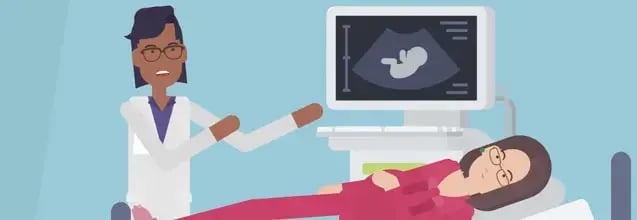
New and Expectant Mothers at Work
New and expectant mothers at work UK microlearning compliance training: spot workplace risks, make reasonable adjustments and offer support.
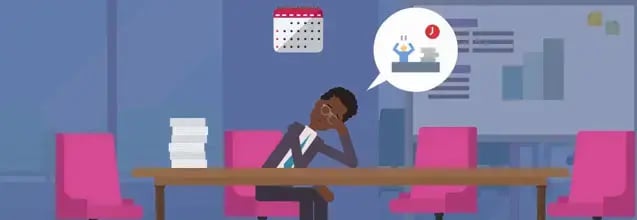
Mental Health at Work
Stress, anxiety and depression drive most work-related ill health. Recognise the signs and use strategies that make a real difference.
Menopause Awareness
Menopause awareness microlearning course for UK staff: understand the changes and coping mechanisms, offer support and make reasonable adjustments.
Working Safely
Most workplace accidents are preventable. A fast pass over fire safety, hazards, working at height, electrical risk and reporting.
Work Equipment
Tools and machines are safe until maintenance slips. Proper use, inspection and the procedures that prevent injuries.

Transport
Work driving accounts for a large share of road collisions. Controls for the vehicle, the journey and the driver, in five minutes.
Personal Protective Equipment
PPE is the last line of defence, not the first. Use it correctly, maintain it properly and understand what it cannot protect you from.
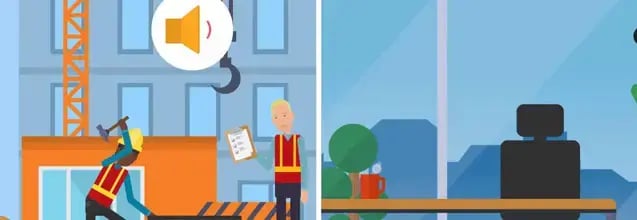
Noise
Hearing damage arrives without pain. Recognise noise hazards, understand the legal limits and use the controls that reduce exposure.
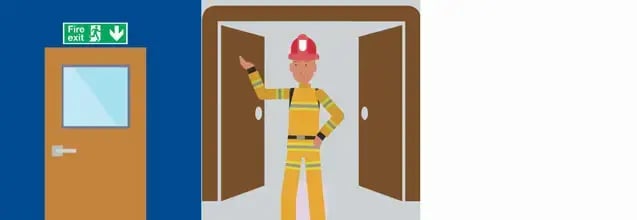
Fire
Fires need three things and workplaces provide all of them. How fires start, what prevention looks like and what to do in an emergency.
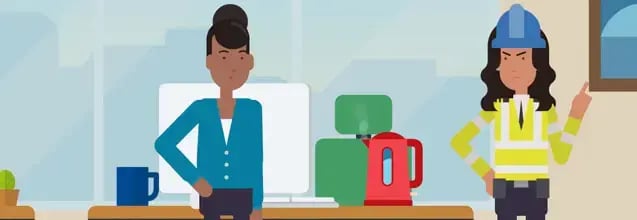
Electricity
Electrical mistakes are rarely small. Recognise the hazards, spot unsafe practice and take the precautions that prevent shocks and fires.
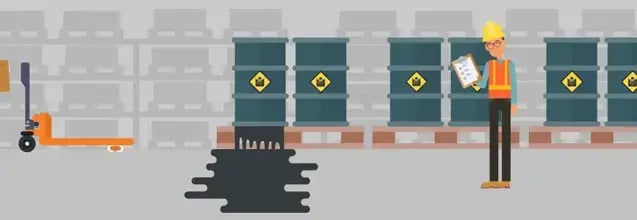
COSHH
Hazardous substances cause conditions that develop over years. Recognise them, understand the exposure risks and use the right protection.
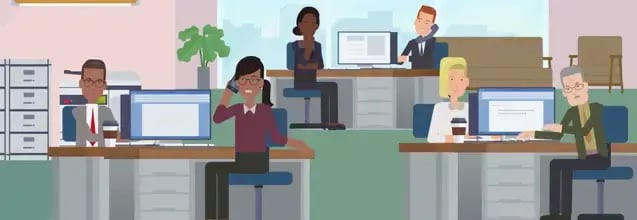
10 Steps to Healthy Working
Ten practical steps for a demanding job. Better posture, lower stress and small changes that protect wellbeing over time.
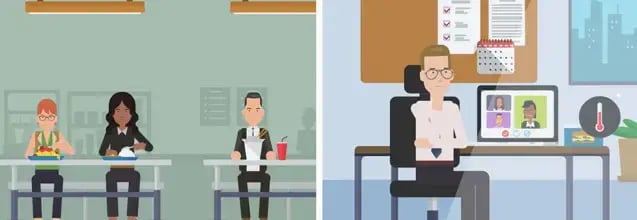
10 Essential Office Hygiene Practices
Ten practices that keep a shared workplace healthy, covering desks, kitchens, bathrooms and the habits people forget.
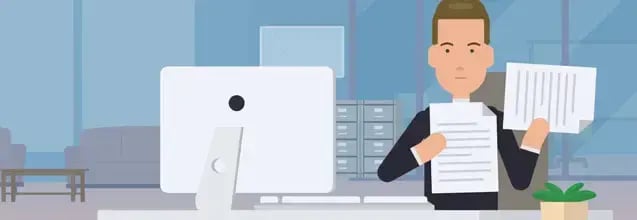
Neurodiversity Awareness
Neurodivergent colleagues often adapt silently. Understand what neurodiversity means and what an inclusive workplace actually provides.
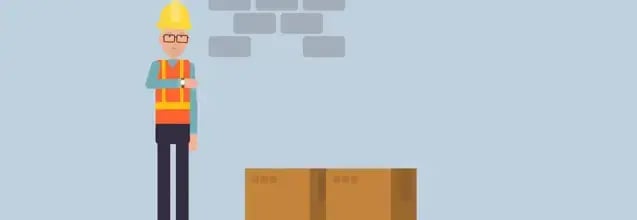
Manual Handling
Lift with your legs, not your back: manual handling microlearning compliance course for UK staff on lifting safely and workplace safety.
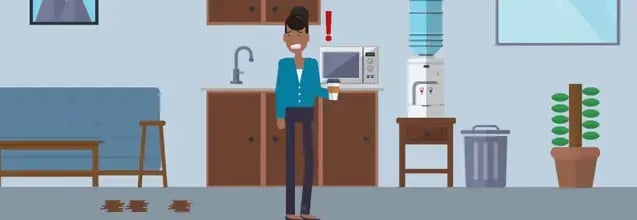
Slips and Trips
A wet floor causes more harm than most people assume. Spot the hazards, follow the procedures and report what needs fixing.
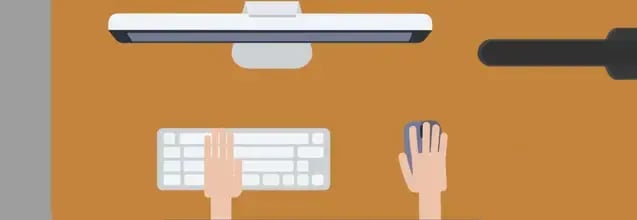
Display Screen Equipment
Sit right, work well. Display screen equipment (DSE) microlearning compliance course for UK staff on health and safety, pointing devices and posture.