Microlearning delivers training content to employees in bite-sized chunks, usually lasting three to five minutes – the attention span of YouTube viewers.
Compliance training often involves large amounts of complex information, from legal requirements to organisational policies. Microlearning offers a powerful solution by delivering small, focused content that makes it more accessible and engaging.
Key takeaways
- Microlearning involves bite-sized, targeted lessons focused on specific skills or knowledge.
- Microlearning increases knowledge retention, boosts learner engagement, provides flexibility and ensures quick updates.
- Hermann Ebbinghaus' Forgetting Curve describes the rate at which we forget things we’ve learnt, which is why supplementing training with microlearning can be so powerful.
- To implement microlearning in compliance training, break content into manageable segments, use diverse formats (videos, scenario-based quizzes, etc.), leverage mobile learning, and use gamification to reinforce lessons.
- Push learning is where the company/instructor determines what the employee learns and when.
- Pull learning is where the employee determines what they want to learn and when.
- Each approach has benefits, and microlearning works for both.
- An example of microlearning in compliance training is using short videos to explain GDPR requirements, followed by quizzes to test understanding of key concepts.
- Skillcast’s Compliance Bites is a collection of concise, engaging videos that delve into various topics.
- To ensure microlearning effectiveness, make lessons impactful, work with subject matter experts, and use learning analytics to track engagement.
- Technologies that support microlearning include LMSs, mobile apps and authoring tools.
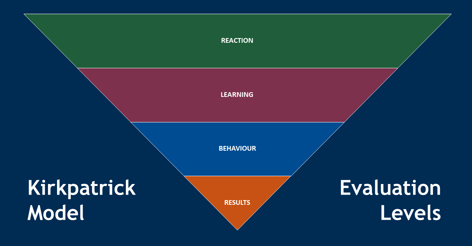
- Microlearning is one of numerous workplace learning theories; others include instructional design, the 70-20-10 rule, storytelling, lateral thinking and the Kirkpatrick Model.
This guide explores the benefits of microlearning, practical implementation strategies, and tips for overcoming common challenges.
Microlearning in compliance training
- Key takeaways
- What is microlearning?
- Why choose microlearning for compliance training?
- Combatting the forgetting curve
- Implementing microlearning in compliance training
- Is push or pull learning the better approach?
- Examples of microlearning in compliance training
- Overcoming microlearning challenges
- Technologies to support microlearning
- Key workplace learning theories
- Microlearning: FAQs
- Looking for more compliance insights?
What is microlearning?
Microlearning involves delivering small, targeted lessons focused on specific skills or knowledge areas. These can take the form of videos, infographics, quizzes, or short articles, typically lasting five to 10 minutes.
In compliance training, microlearning allows organisations to present essential information in digestible formats, making it easier for employees to retain and apply their knowledge.
Why choose microlearning for compliance training?
1. Increases knowledge retention
Short, focused lessons help learners concentrate on one topic at a time, improving understanding and long-term retention.
2. Boosts learner engagement
Interactive and visual content, such as videos or gamified quizzes, captures attention and keeps learners motivated.
3. Provides flexibility
Microlearning fits into busy schedules, allowing employees to complete training at their convenience, whether on the job or during breaks.
4. Ensures quick updates
Compliance requirements change frequently. Microlearning modules are easy to update, ensuring your training remains current.
What is intelligent learning?Intelligent learning is an advanced, data-driven form of microlearning. It delivers short, targeted content by assessing what a learner knows using a pre-course assessment, evaluating confidence levels, and skipping what they’ve already mastered. Based on that, content can be personalised and adapted. You can also collate analytics, showing employees a detailed breakdown of their strengths and weaknesses while enabling you to identify knowledge gaps, spot red flags and feed into future training initiatives. |
Combatting the forgetting curve
The “forgetting curve” is a concept coined by Herman Ebbinghaus that describes the rate at which we forget things we’ve learnt. As time passes, we remember less. According to Ebbinghaus's theory, we forget more than 80 per cent of what we learnt 30 days ago.
He also argued that our ability to retain information decays very quickly at first, then more slowly as time passes. So after just one hour, most people forget about half. That’s a scary thought! And it’s why supplementing training with microlearning can be so powerful.
Implementing microlearning in compliance training
1. Break content into manageable segments
Start by identifying the key subjects your compliance training needs to cover. Divide them into smaller subtopics for individual microlearning modules.
- Use one module to address a single objective or compliance issue
- Focus on practical applications, such as "How to identify phishing emails"
- Avoid overloading with too much information
2. Use diverse content formats
Microlearning thrives on variety. Combine videos, quizzes, infographics, and interactive activities to keep learners engaged.
- Create short videos explaining complex policies in plain language.
- Use scenario-based quizzes to simulate real-world compliance challenges.
- Incorporate infographics to visualise data, such as incident reporting processes.
3. Leverage mobile learning
Microlearning is ideal for mobile platforms, enabling employees to complete training anywhere, anytime.
- Optimise content for smartphones and tablets.
- Use responsive design to ensure modules display well on all devices.
- Send notifications to remind employees about upcoming or incomplete training.
4. Use gamification to reinforce lessons
Gamification elements, such as leaderboards, badges, and points, motivate learners and make compliance training more enjoyable.
- Award badges for completing modules or achieving high quiz scores.
- Create a compliance leaderboard to encourage friendly competition.
- Design interactive games, like role-playing scenarios, to test decision-making skills.
Is push or pull learning the better approach?
The compliance function has shifted from reactive to proactive, leading to a discussion about push versus pull learning.
Push learning
The more traditional, structured approach, where the company/instructor (often supported by a learning management system – LMS) determines what the employee learns and when, including training content, schedule, objectives and activities.
Here, learners are ‘pushed’ information, often in mandatory training sessions or e-learning courses. This method is useful for delivering foundational knowledge and ensuring compliance.
Pull learning
On the other hand, pull learning is a more modern, learner-centred model where the employee determines what they want to learn and when. It’s useful for targeted, complex topics, because individuals can focus on areas most relevant to them, enabling deep, critical analysis.
The person is self-driven and flexible, accessing learning resources on demand, such as articles, online courses, videos, or a company's internal wiki for troubleshooting documentation. Moreover, pull learning allows you to voluntarily engage with others, including experts, for assistance and support.
Below is a table to help differentiate push and pull learning:
|
Feature |
Push learning |
Pull learning |
|
Who controls the learning? |
Organisation and instructor/trainer (often alongside an LMS) |
Learner |
|
When does learning take place? |
At predetermined times |
At the learner's convenience |
|
What is the learning format? |
E-courses, lectures, in-person workshops and direct communication (emails/notifications) |
Online courses, articles, videos, websites and podcasts |
|
How is learning assessed? |
Mandatory Grades, tests, quizzes and knowledge checks |
Self-assessment and by measuring engagement, competence and application |
What are the benefits of push learning?
Push learning is the route companies go down for numerous reasons:
- Compliance and consistency
- Faster deployment of updates
- Establishes a uniform baseline of knowledge for all participants
- Effective for time-sensitive Information
- Structured and focused
- Boosts engagement with notifications
- Scalability
- Reduces information overload
What are the benefits of pull learning?
Overall, pull learning facilitates a more concentrated learning experience. Three key benefits are:
-
Engagement and motivation: Allowing employees to choose what and when they learn creates a more appealing, personalised experience.
- Relevance: The learner-centric approach allows employees to focus on the topics most important to them, making knowledge acquisition more applicable and targeted.
-
Flexibility: Employees learn at their own pace, and in their own time.
Additional advantages include higher knowledge retention, quickly gaining new skills or refreshing knowledge, and cost-effectiveness (removes the need for expensive, one-size-fits-all compliance training)
Microlearning works for both styles and can be easily incorporated into e-courses. Essentially, the best learning approach depends on the individual's needs and preferences. Indeed, sometimes a hybrid model is used.
Examples of microlearning in compliance training
- Anti-money laundering (AML) training: Deliver a series of five-minute lessons covering topics like red flags for suspicious activity, reporting requirements, and case studies.
- Data privacy compliance: Use short videos to explain GDPR requirements, followed by quizzes that test understanding of key concepts.
- Workplace harassment policies: Develop interactive modules where employees navigate workplace scenarios to identify appropriate responses.
Compliance Bites is a collection of concise, engaging videos that delve into various compliance topics. Our library covers a range of key topics, including bribery prevention, AML, risk, GDPR, and modern slavery.
Many engaging and compelling microlearning formats can supplement annual compliance training. Most suit all types of devices and can be made accessible to everyone. Here are some of the ways you could include microlearning in your compliance training.
- Short videos: Used for visual scenarios or overviews, these consolidate training and help staff visualise the appropriate action. Our Compliance Bites are an example.
- Mobile applications: Apps make it easy for employees to access compliance content anytime, anywhere, and can be gamified for engaging learning experiences.
- Interactive videos: Test employees' ability to act in certain scenarios and explore steps and skills in a compliant environment.
- Kinetic text animations: Animated text makes learning engaging and easy to follow, perfect for explaining difficult concepts.
- Serious games and quizzes: Drive behavioural change and improve knowledge retention while adding an element of competition.
- Infographics: Present information in an easy-to-digest format with minimal text and appealing visuals.
- Cause-and-effect case studies: Show the significance of rules and regulations by demonstrating the consequences of
violations. - Checklists, tips, factsheets and posters: Serve as takeaways and make policies and procedures visible at work.
Overcoming microlearning challenges
- Maintaining learner focus: Short lessons must be impactful. Focus on actionable takeaways and avoid unnecessary details.
- Ensuring compliance with regulations: Work closely with subject matter experts to ensure your microlearning content meets legal requirements.
- Measuring training effectiveness: Use learning analytics to track engagement, completion rates, and knowledge retention. Pair this data with employee feedback to refine your approach.
Technologies to support microlearning
- Learning management systems (LMS): Robust LMS platforms empower organisations to deliver, monitor and update bite-sized learning modules efficiently.
- Mobile applications: Mobile-first learning applications provide a seamless and accessible microlearning experience, often incorporating features like push notifications and offline functionality.
- Authoring tools: Authoring tools enable the rapid creation of engaging, responsive microlearning content without requiring extensive technical expertise.
Key workplace learning theories
Microlearning is just one of the six most well-established learning theories we've examined to help improve your outcomes. The others are:
Storytelling in learning and development (L&D)
Let’s dive into Storytelling in a bit more detail. Storytelling in L&D involves integrating narratives into compliance training programmes to engage staff and simplify complex ideas. A well-crafted story can capture attention, make lessons relatable, and leave a lasting impression.
This approach is particularly effective in workplace training because it mirrors real-world scenarios, allowing learners to visualise how to apply their knowledge.
Why is storytelling effective in L&D?
|
Storytelling: how to integrate, challenges and examples
To integrate storytelling into training programmes:
- Use relatable, real-life scenarios
- Incorporate characters and conflict
- Use multimedia
- Encourage learner reflection
And to overcome challenges in storytelling for L&D:
-
Make stories inclusive
-
Balance storytelling with time constraints
-
Avoid overly complex plots:
For example, a compliance training story could follow an employee navigating ethical dilemmas and showcase the consequences of their decisions. For leadership development, use stories to illustrate key challenges, such as resolving team conflicts or driving change.
And for customer service training, craft narratives around difficult interactions to teach problem-solving and communication skills.
Click the links above for information about the other key workplace learning theories.
Microlearning: FAQs
Is microlearning effective for compliance training?
Yes. Microlearning can be effective for compliance training, particularly around reinforcing key policies, regulatory requirements and expected behaviours. Short, focused modules can make complex topics easier to understand, while regular refreshers help keep knowledge up-to-date.
Can microlearning replace traditional compliance training?
Microlearning can complement, rather than replace, traditional compliance training. Some subjects will require longer courses, detailed guidance or instructor-led training. A blended model works well.
Can microlearning be used for mandatory compliance training?
Yes, microlearning can be used effectively for mandatory compliance training.
Looking for more compliance insights?
If you’re looking for focused training, browse our courses – we offer a complete solution for your compliance programme. Our topics include:
- FCA Handbook Compliance Management Hub
- Data Protection and GDPR Compliance Training Hub
- Cybersecurity Compliance Management Hub
- Health and Safety Compliance Training Hub
Our e-learning courses are designed to engage employees, including our microlearning library, which supports knowledge retention.
Our Compliance Portal also features a range of tools to digitise and automate your compliance learning. These include our:
- Learning Management System (LMS)
- Policy Hub
- Compliance Registers
- Compliance Surveys
- Compliance Declarations
- Aida by Skillcast
If you’d like to access leading insights and compliance tips, browse our free resources by topic to find guides, modules, compliance bites and more.
Written by: Emmeline de Chazal
Emmeline is an experienced digital editor and content marketing manager. She has a demonstrated history of working in both the education management and software industries. Emmeline has a degree in business science, and her skillset includes Search Engine Optimisation (SEO), Answer Engine Optimisation (AEO) and digital marketing analytics. She is passionate about education and utilising her skills to encourage greater access to e-learning.