
Harassment in the Workplace
-
 30 Minutes
-
 For all staff
-
 UK
Under the Equality Act 2010, harassment occurs where unwanted conduct relates to a protected characteristic or has the purpose or effect of violating dignity, and it is not limited to verbal behaviour. This 30-minute course helps staff recognise high-risk behaviours, comply with policy, and understand how their conduct is experienced.
Harassment cases rarely turn on a single incident. They build from behaviour that colleagues found uncomfortable and nobody addressed, and by the time a claim is filed the pattern is already established. Training everyone sets a shared standard and, with the reforms under the Employment Rights Act reshaping workplace conduct duties, gives employers evidence of the preventative action expected of them.

What you’ll learn in
this course
- Recognise behaviours that are high-risk and constitute harassment
- Comply with your policies to avoid being involved in harassment
- Be more self-aware and recognise how your actions may be interpreted by others
- Act appropriately to maintain a professional and respectful culture
- Take appropriate action to reduce the risks of and prevent harassment
- Effectively respond to and report any cases of harassment
Hear from our customers
Feefo Customer Rating ★★★★★ 4.9/5







Third-Party Harassment
Customers, suppliers and visitors can all cross the line. Employers still owe a duty, and impact matters more than intention.

The 4D Bystander Intervention Model
Bystanders can help shape workplace culture. Learn when to intervene, how to use the 4D model and how to support colleagues safely and effectively.

Unwanted Behaviour of a Sexual Nature
Our UK harassment in the workplace compliance course offers a harassment definition and covers topics such as sexual harassment and offensive behaviour.

The Three Characteristics of Harassment
Ensure staff can recognise harassment, understand its impact and know how to respond to help prevent workplace harassment.

Unconscious Bias
Better decisions start with greater awareness. Learn how unconscious bias influences behaviour, affects inclusion and can be reduced in everyday workplace decisions.

The Protected Characteristics
Protected characteristics microlearning course covering sexual orientation discrimination, gender reassignment discrimination, and the other seven.

Understanding Sexual Harassment
Help staff recognise verbal, non-verbal and physical forms of sexual harassment and understand how to report concerns.

Understanding Harassment
Respectful workplaces don't happen by accident. Learn how to recognise harassment, understand its impact and respond appropriately when concerns arise.

Crossing the Line into Sexual Harassment
This crossing the line into sexual harassment microlearning compliance training for UK staff covers topics such as unwelcome behaviour and prevention.
Targets of Sexual Harassment
Anyone can be affected by sexual harassment. Learn how to recognise inappropriate behaviour, understand its impact and access support when concerns arise.
Compliments vs Sexual Harassment
Kind words or crossed lines? Compliments vs. sexual harassment microlearning e-learning for UK staff on boundaries, behaviour and awareness.
Speak Up
Speaking up protects people, organisations and workplace culture. Learn how to recognise concerns, overcome barriers to reporting and raise issues with confidence.
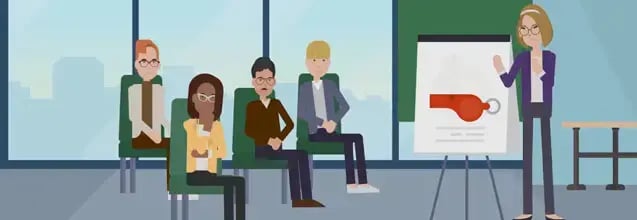
Whistleblowing
Reporting wrongdoing protects the organisation as much as the person. How the process works and the protections you can rely on.