
Embargoes and Sanctions
-
 45 Minutes
-
 For all staff
-
 UK
Embargoes and sanctions are among the few compliance areas where one mistake can put a firm in breach of the law within minutes. This in-depth course helps UK staff understand how restrictions are set, who they target and what to do when a transaction raises questions.
First, there’s the legal backdrop. International law, human rights concerns, counter-terrorism and the spread of WMDs drive sanctions, and trade embargoes and trade restrictions apply to particular countries, goods and sectors. Export controls add another layer, with export licences and licence requirements deciding what can be shipped and to whom. Learn how firms put this into practice: screening protocols, ownership and control checks, beneficial ownership, and the handling of target matches. We also look at wire stripping, red flags, record-keeping and whistleblowing, and how a firm’s risk appetite shapes the way it works.

What you’ll learn in
this course
- Recognise what embargoes and sanctions are and the purpose that they are designed to achieve
- Identify the steps our Company takes to comply with embargoes and sanctions
- Take appropriate action to comply with embargoes and sanctions
- Seek advice and report matches and transactions that might breach sanctions
Hear from our customers
Feefo Customer Rating ★★★★★ 4.9/5

Conduct Rules for Senior Managers at Dual-Regulated Firms Compliance Training Course
Conduct rules for senior managers at dual-regulated firms compliance e-learning course, from acting with integrity to delivering good outcomes (Consumer Duty).


Market Abuse Regulation Global Compliance Training Course
Understand global embargoes and sanctions requirements, identify prohibited activity and asset freezes, and help staff comply with international sanctions regulations across multiple jurisdictions.




















COBS – Client Categorisation (COBS 3) Course for UK Financial Services Staff
This COBS client categorisation e-learning for UK financial services staff covers topics such as opting down, client rights, MiFID II and client protection.










Unexplained Wealth Orders
Assets can be frozen when wealth cannot be explained. How unexplained wealth orders work and why suspicious activity reporting matters.

Suspicious Activity Reporting Microlearning Compliance Course for UK Staff
Doubt it? Report it. Suspicious activity reporting microlearning compliance course for UK staff on your duty to report, the MLRO role, and more.

Politically Exposed Persons
Influence and access make PEPs higher risk. Identify them, assess the risk sensibly and apply enhanced due diligence without causing offence.

Enhanced Customer Due Diligence Microlearning Compliance Course for UK Staff
Same checks for everyone? Enhanced customer due diligence microlearning course for UK staff on risk assessments, identity verification and more.

Customer Due Diligence
Knowing your customer is more than an identity check. Initial and ongoing due diligence, and when activity needs reporting.

Understanding Terrorist Financing Microlearning Compliance Course for UK Staff
Understand more about terrorist financing with this UK microlearning compliance course covering unusual transactions and money laundering.

Terrorist Financing Red Flags
Terrorist funding hides in ordinary transactions. Recognise the suspicious patterns, the high-risk indicators and behaviour worth a second look.

Preventing Tipping Off
Saying too much to a customer under investigation is an offence. Handle their questions without breaching anti-money laundering law.

Three Stages of Money Laundering Microlearning Compliance Course for UK Staff
Steps to clean cash: three stages of money laundering microlearning compliance course for UK staff covering topics like red flags and criminal activities.

Money Laundering Red Flags
Suspicious transactions look ordinary until you know the pattern. Recognise common red flags and follow the reporting route that applies.
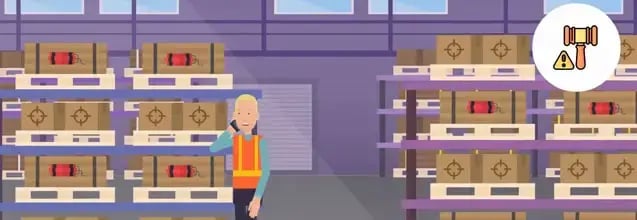
Understanding Sanctions Microlearning Compliance Course for UK Staff
Who can you deal or trade with? This sanctions microlearning course for UK staff touches on sanctions lists, as well as sanctioned countries and goods.