
Some disruptions are unavoidable. Being unprepared for them is not. Our Business Continuity Management Training explains how to identify and analyse risks, develop effective continuity plans and prepare for disaster recovery.
Equip employees with the knowledge to respond confidently under pressure, minimise disruption and help protect essential business activities. This in-depth compliance course supports a more resilient organisation, helping teams turn continuity plans into practical action.

What you’ll learn in this course
Appreciate the objectives of a business continuity plan
Recognise how risks are identified and analysed
Know what to include in a risk register
Identify the key elements of both a disaster recovery plan and a succession plan
Appreciate the importance of effective communication and good PR when dealing with incidents and crises
Hear from our customers
I cannot overstate how happy with are with Skillcast. They are prompt, attentive, patient and always so good humoured. The teams work seamlessly, and there is always someone to cover in the absence of a team member. I am always impressed and very happy to work with the team.
Feefo Customer Rating ★★★★★4.9/5
Ready to try this course?
Start your free trial of this course and get instant access today.
Operational resilience compliance training covering FCA and PRA requirements, disaster recovery plans, the impact on market integrity and business continuity.
Operational Risk
In-depth
50 Minutes
Risk Management
For all staff
Effective risk management starts with a common language. Learn how to identify operational risks, assess their impact and apply controls that reduce losses.
Information Security Compliance Training Course
In-depth
35 Minutes
For all staff
Help UK staff classify information, secure communications and devices, and report breaches promptly.
Digital Operational Resilience Act (DORA)
In-depth
25 Minutes
For all staff
DORA compliance training: strengthen ICT risk management and cybersecurity, run resilience testing, report incidents and manage third-party risk.
Electronic Communications
In-depth
25 Minutes
For all staff
An email lives longer than the mood it was written in. Standards for tone and content, plus what retention and monitoring actually mean.
Digital Operational Resilience Act (DORA)
In-depth
25 Minutes
For all staff
Keep critical systems running and meet DORA expectations: Digital Operational Resilience Act compliance training for UK staff.
Cybersecurity
In-depth
20 Minutes
For all staff
Cyber threats evolve constantly. Learn how to recognise risks, respond to incidents, and protect your organisation from cyber attacks.
Records Management
In-depth
20 Minutes
For all staff
Prevent costly compliance gaps and equip staff with the knowledge on how to retain, archive and dispose of business records correctly.
Information Security
Refresher
20 Minutes
Cybersecurity
For all staff
A short refresher for busy teams. Classification, safe use of email and the web, and the habits that keep sensitive information protected.
Cybersecurity Compliance Training Course
Express
20 Minutes
Cybersecurity
For all staff
Attackers aim at people, not firewalls. Spot phishing, hacking and fraud attempts, and act quickly when something looks wrong.
Phishing
Express
15 Minutes
Cybersecurity
For all staff
Phishing works because it looks routine. Spot the signs, protect yourself and your organisation, and know what to do the moment you have clicked.
Think Before You Click
Microlearning
5 Minutes
Cybersecurity
For all staff
One click is how most malware arrives. Recognise suspicious emails and attachments, and pause long enough to check.

Guide to Secure Remote Working
Microlearning
5 Minutes
Cybersecurity
For all staff
Home networks were not built for company data. Practical security steps that protect information when the office is your kitchen.

CEO Fraud
Microlearning
5 Minutes
Cybersecurity
For all staff
An urgent request from the top is exactly what attackers imitate. Recognise spoofing tactics and verify before any payment moves.

Advising Customers on Cybersecurity
Microlearning
5 Minutes
Cybersecurity
For all staff
Customers ask staff about scams before they ask anyone else. Understand the risks they face and give advice that builds trust.

Using Wi-Fi safely
Microlearning
5 Minutes
Cybersecurity
For all staff
Free Wi-Fi is rarely free of risk. Understand the threats on public networks and the steps that protect your data anywhere you work.

Transferring Information Securely
Microlearning
5 Minutes
Cybersecurity
For all staff
Sending a file is the moment data is most exposed. Encryption, password protection and the transfer methods that keep it safe.
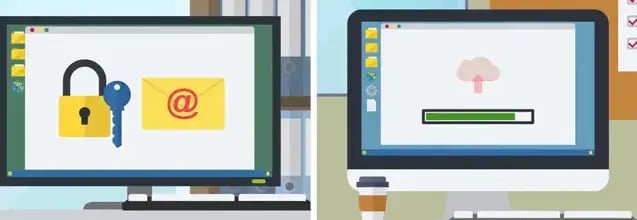
Supply Chain Cybersecurity
Microlearning
5 Minutes
Cybersecurity
For all staff
Your security is only as strong as your suppliers'. Understand the risks that third-party access creates and the checks that reduce them.

Secure Web Browsing
Microlearning
5 Minutes
Cybersecurity
For all staff
The web is the most common route into a business. Browse safely, spot the warning signs and avoid the traps most people miss.

Tailgating and Piggybacking
Microlearning
5 Minutes
Cybersecurity
For all staff
Holding a door open can undo the access controls. Recognise tailgating and piggybacking, and challenge unauthorised entry politely.

Information Security on the Move
Microlearning
5 Minutes
Cybersecurity
For all staff
Trains, hotels and airports are where information leaks. Protect your devices and data when working away from the office.

Information Classification
Microlearning
5 Minutes
Cybersecurity
For all staff
Not all information deserves the same handling. Understand the classification levels, the restrictions on each and how to apply them.

Reacting to Password Breaches
Microlearning
5 Minutes
Cybersecurity
For all staff
Compromised credentials rarely announce themselves. Spot the warning signs and act quickly to close down access before it is used.

Multi-factor Authentication
Microlearning
5 Minutes
Cybersecurity
For all staff
A stolen password should not be enough. How multi-factor authentication works, why it matters and when it should be switched on.

Creating Strong Passwords
Microlearning
5 Minutes
Cybersecurity
For all staff
Weak passwords fall in seconds. Build ones that resist brute force attacks and are still possible to remember.

Vishing
Microlearning
5 Minutes
Cybersecurity
For all staff
A confident voice on the phone can be the whole attack. Recognise vishing tactics, verify the caller and protect what you know.

Video Conferencing
Microlearning
5 Minutes
Cybersecurity
For all staff
Meetings leak more than people realise. Use approved software, control access and keep confidential material off the shared screen.

Spear Phishing
Microlearning
5 Minutes
Cybersecurity
For all staff
Targeted emails use real details to look convincing. See how spear phishing works and what to check before you respond.

Smishing
Microlearning
5 Minutes
Cybersecurity
For all staff
A text message is easier to trust than an email, which is the point. Spot smishing attempts and stop before you tap the link.

Ransomware
Microlearning
5 Minutes
Cybersecurity
For all staff
Ransomware locks the files and starts a clock. Recognise the risk in email and attachments, and follow the steps that limit the damage.

Malware
Microlearning
5 Minutes
Cybersecurity
For all staff
Malware arrives disguised as something useful. Recognise the main types, understand how they spread and know when to call IT.

Device Hygiene
Microlearning
5 Minutes
Cybersecurity
For all staff
Unpatched software is an open door. Simple device habits, from updates to secure authentication, that keep malware off your systems.

Bring Your Own Device Security
Microlearning
5 Minutes
Cybersecurity
For all staff
Personal devices carry company data home. The precautions that keep BYOD convenient without handing attackers an easy route in.

Zero Trust Cybersecurity
Microlearning
5 Minutes
Cybersecurity
For all staff
Zero trust assumes nothing and verifies everything. How authentication, restricted access and continuous monitoring protect company systems.

Common Cyber Threats
Microlearning
5 Minutes
Cybersecurity
For all staff
Phishing, malware, ransomware and open networks. Recognise the threats most likely to reach your team and the habits that stop them.
Understanding Information Security
Microlearning
5 Minutes
Cybersecurity
For all staff
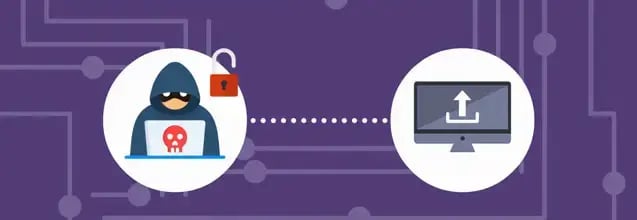
Security policies work when people follow them. Understand your role in protecting business and customer data from access it should not have.

Deepfake Awareness
Microlearning
5 Minutes
Cybersecurity
For all staff
A convincing voice on a call may not be a person. Recognise deepfake scams and verify audio and video requests before you act.

Business Email Compromise
Microlearning
5 Minutes
Cybersecurity
For all staff
An urgent email from your chief executive may not be from them. Recognise BEC scams and verify before money or data moves.

Spot a Phishing Attempt
Microlearning
5 Minutes
Cybersecurity
For all staff
Five minutes that could stop a breach. Check the details in a suspicious email, verify before acting and protect company data.
Your questions, answered
Risk Management
How does conduct risk differ from compliance risk?
Conduct risk focuses on behaviour and outcomes, how actions affect customers and markets - while compliance risk relates to failing to meet legal or regulatory requirements. Conduct risk is broader and more subjective, often tied to culture and ethics.
Who is responsible for managing conduct risk within a firm?
While senior leadership sets the tone, managing conduct risk is a shared responsibility across all levels, from front-line staff to compliance teams. Everyone plays a role in identifying and mitigating risky behaviour.
Can conduct risk exist in non-financial sectors?
Yes. Although the FCA regulates financial services, conduct risk principles apply across industries. Any business that interacts with customers or influences markets can face conduct-related challenges.
How can technology help reduce conduct risk?
Tools like automated monitoring systems, AI-driven analytics, and e-learning platforms can help detect risky patterns, reinforce ethical behaviour, and ensure consistent training across teams.
How often should proliferation financing risk assessments be updated?
Best practice suggests reviewing risk assessments annually or whenever there are significant changes in business operations, customer profiles, or geopolitical developments.
Why is risk scoring important for my business?
Identifying potential risks around your business is not enough. Tracking how your company manages them helps you implement policies to prevent them. The best way to get started is with a risk scoring matrix.
What is a risk scoring matrix?
A risk scoring matrix helps identify the level of risk for specific activities, such as personal data. By measuring the likelihood of something happening against how serious the consequences would be, it helps you see which areas to focus on. And what policies or procedures to put in place.