
Cybersecurity Compliance Training Course
-
 20 Minutes
-
 For all staff
-
 UK
Most cyberattacks don’t begin with clever code but human error. A convincing email or a reused password is often all it takes, and that’s why cybersecurity depends on every member of staff, not just the IT team. This 20-minute compliance course helps UK staff understand the threats and their part in stopping them.
Cybercriminals, and in some cases state sponsors, target an organisation’s IT infrastructure. Malware and ransomware can lock people out of their own systems, while an insider threat may be careless or malicious. Legacy systems and weak cloud security give attackers more room. Staff who notice suspicious activity should report it to the IT team at once, because speed limits the damage if a data breach occurs. GDPR duties then follow.

What you’ll learn in
this course
- Recognise cybersecurity threats and where they come from
- Act appropriately in given situations to combat cybersecurity threats
- Identify sources of information and support
Hear from our customers
Feefo Customer Rating ★★★★★ 4.9/5










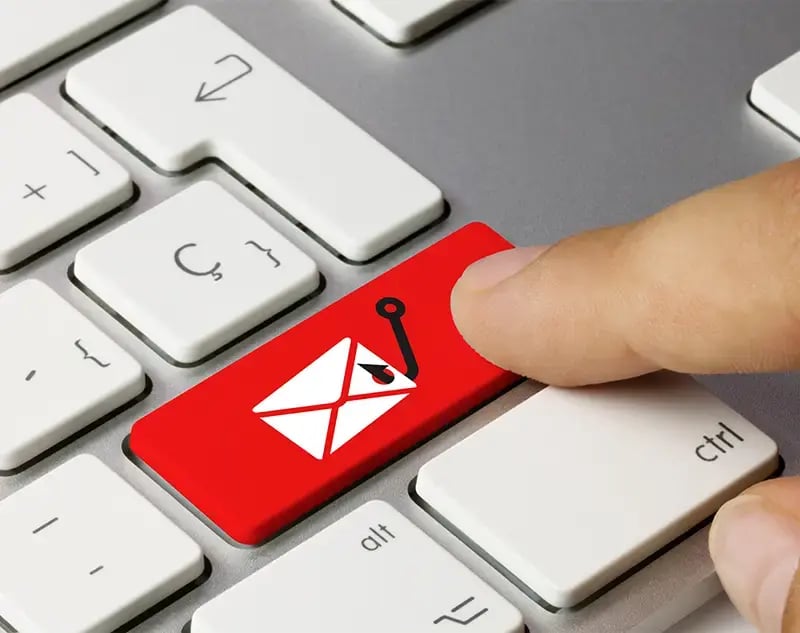

Think Before You Click Microlearning Compliance Course for UK Staff
One tap is all it takes. Think before you click: microlearning compliance training on phishing risk, malware and best practices for UK staff.

Guide to Secure Remote Working
Home networks were not built for company data. Practical security steps that protect information when the office is your kitchen.

CEO Fraud Microlearning Compliance Course for UK Staff
Would you question the boss? CEO fraud microlearning compliance course for UK staff on email scams, BEC fraud, impersonation, spoofing and IT security.

Advising Customers on Cybersecurity
Customers ask staff about scams before they ask anyone else. Understand the risks they face and give advice that builds trust.

Using WiFi Safely Microlearning Compliance Course for UK Staff
Connected, but protected? Use WiFi safely with this microlearning compliance training for UK staff on VPN security, WiFi privacy and internet security.

Transferring Information Securely
Sending a file is the moment data is most exposed. Encryption, password protection and the transfer methods that keep it safe.
Supply Chain Cybersecurity Microlearning Compliance Course for UK Staff
This supply chain cybersecurity microlearning compliance course for UK staff touches on vendor risk, cyber tactics, due diligence and breach response.
Secure Web Browsing
The web is the most common route into a business. Browse safely, spot the warning signs and avoid the traps most people miss.

Tailgating and Piggybacking Microlearning Compliance Course for UK Staff
Hold the door open, or not? Tailgating and piggybacking: microlearning course for UK staff on physical security, access controls and employee vigilance.

Information Security on the Move
Trains, hotels and airports are where information leaks. Protect your devices and data when working away from the office.

Information Classification Microlearning Compliance Course for UK Staff
Label it and protect it, with this information classification microlearning compliance course for UK staff on data security, GDPR and information security.

Reacting to Password Breaches
Compromised credentials rarely announce themselves. Spot the warning signs and act quickly to close down access before it is used.
Multi-Factor Authentication Microlearning Compliance Course for UK Staff
One lock, two, or more? Multi-factor authentication microlearning compliance course for UK staff on 2FA, MFA, passwords, cybersecurity and digital security.

Creating Strong Passwords
Weak passwords fall in seconds. Build ones that resist brute force attacks and are still possible to remember.

Vishing Microlearning Compliance Course for UK Staff
Hello, who’s really calling? Microlearning compliance course for UK staff on vishing – social engineering phone scams – caller ID spoofing and impersonations.

Video Conferencing
Meetings leak more than people realise. Use approved software, control access and keep confidential material off the shared screen.

Spear Phishing Microlearning Compliance Course for UK Staff
Our spear phishing microlearning compliance training for UK staff covers personalised attacks, spoofing, urgent requests and security breach claims.

Smishing
A text message is easier to trust than an email, which is the point. Spot smishing attempts and stop before you tap the link.
Ransomware Microlearning Compliance Course for UK Staff
Locked out of your files? This ransomware microlearning compliance course for UK staff touches on phishing, cybersecurity, backups and detection.

Malware
Malware arrives disguised as something useful. Recognise the main types, understand how they spread and know when to call IT.

Device Hygiene Microlearning Compliance Course for UK Staff
Clean, secure devices, safer data. Device hygiene microlearning compliance course for UK staff covering cybersecurity, malware prevention and cyber threats.

Bring Your Own Device Security
Personal devices carry company data home. The precautions that keep BYOD convenient without handing attackers an easy route in.
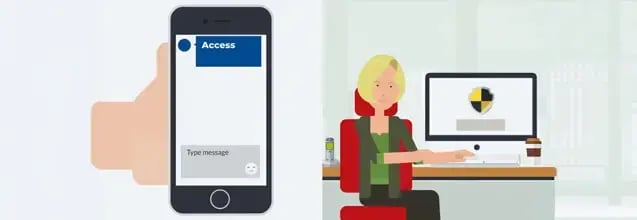
Zero Trust Cybersecurity Microlearning Compliance Course for UK Staff
Zero trust cybersecurity microlearning course for UK staff on network security, access controls, device security, data protection and more.

Common Cyber Threats
Phishing, malware, ransomware and open networks. Recognise the threats most likely to reach your team and the habits that stop them.
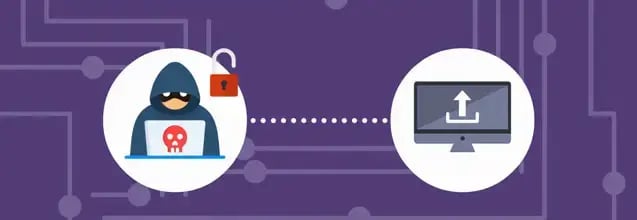
Understanding Information Security Microlearning Compliance Course for UK Staff
Understand information security with this microlearning compliance course for UK staff, including data protection, IT security and password protection.

Deepfake Awareness
A convincing voice on a call may not be a person. Recognise deepfake scams and verify audio and video requests before you act.

Business Email Compromise Microlearning Compliance Course for UK Staff
Who really sent that email? Business email compromise microlearning compliance course for UK staff on CEO fraud, BEC scams and cyberattack risks.

Spot a Phishing Attempt
Five minutes that could stop a breach. Check the details in a suspicious email, verify before acting and protect company data.