
Introduction to UK Financial Regulation
-
 45 Minutes
-
 For all staff
-
 UK
Build a stronger foundation for compliance with our Introduction to UK Financial Regulation Training Course. This in-depth course explains how the UK financial services industry is regulated, helping professionals understand the roles of the FCA and PRA, recognise different regulatory requirements and understand how the regulatory cycle works.
Help financial services professionals apply UK financial regulation with greater confidence by giving them the regulatory knowledge they need to understand why rules exist, how they apply to their roles and what compliance means in practice.

What you’ll learn in
this course
- Understand how the Senior Managers and Certification Regime (SM&CR) applies to NEDs
- Understand when a NED may become the holder of a Senior Manager Function
- Recall the Conduct Rules that apply to you as a NED
- Explain how the Conduct Rules apply in practice
- Describe how you will comply with the Conduct Rules in your role
- Describe when the Prudential Regulation Authority (PRA) or Financial Conduct Authority (FCA) might take action for non-compliance with the Conduct Rules
Hear from our customers
Feefo Customer Rating ★★★★★ 4.9/5




Conduct Risk
Our conduct rules training for FCA-regulated staff dives into fair customer outcomes, individual and senior manager conduct rules, governance considerations, and more.


Introduction to UK Financial Regulation
Make confident, informed decisions that stand up to regulatory scrutiny. Understand how FCA and PRA requirements apply to your role, meet your compliance obligations and reduce regulatory risk.





















CASS 15 - Payment Services and Electronic Money: Relevant Funds
CASS 15 compliance course: safeguard relevant funds, run D+1 reconciliation tests and complete monthly safeguarding returns.

Good Outcomes for Vulnerable Customers
This vulnerable customers course is aimed at UK insurance staff, covering the Consumer Duty, FCA standards, legal obligations and inclusive services.

Overview of the Consumer Duty
Valuable and fair customer outcomes don't happen by accident. Learn how Consumer Duty, Principle 12 and the four outcomes shape everyday decisions.

Training and Competence
Competence must be assessed, maintained and evidenced. Learn the FCA's T&C requirements for supervision, development and customer-facing roles.

Understanding Failure to Prevent Fraud (FTPF) in Financial Services
FTPF course for financial services staff: Understand the corporate offence, build a compliance culture and apply fraud prevention and risk management measures.











CASS 9 - Information to Clients
Clear client communications are a regulatory requirement. Learn how to meet CASS 9 disclosure obligations for client money, custody assets and prime brokerage arrangements.













Third-Party Harassment
Customers, suppliers and visitors can all cross the line. Employers still owe a duty, and impact matters more than intention.

Conduct Rule 6: Act to deliver good outcomes for retail customers
Good outcomes are the new standard for retail customers. Act in good faith, prevent foreseeable harm and support people properly.

Conduct Rule 5: Observe proper standards of market conduct
Markets work on trust. What proper standards of market conduct look like and how to avoid behaviour that undermines integrity.

Conduct Rule 4: Pay due regard to the interests of customers and treat them fairly
Fair treatment is proved in the moments customers cannot see. What Conduct Rule 4 requires of the information and decisions you give.

Conduct Rule 3: Be open and cooperative with the FCA, the PRA and other regulators
Regulators notice delay as much as detail. What being open and cooperative means, and what happens when a firm falls short.
Conduct Rule 2: Act with due skill, care and diligence
Due skill, care and diligence is a measurable standard. Make informed decisions, assess risk properly and keep professional standards high.

Conduct Rule 1: Act with Integrity
Integrity is judged by the decisions nobody was watching. What Conduct Rule 1 asks, with examples of where people get it wrong.

Safeguarding for Charities and Trustees
Safeguarding failures end charities. Create safe environments, recognise the signs of harm and follow the reporting policy properly.

Political Activity and Campaigning by Charities
Campaigning is allowed; party politics is not. Understand where the line sits and keep activity tied to your charitable purpose.

Managing Conflicts of Interest in a Charity
Perception matters as much as fact in the charity sector. Recognise conflicts, manage them openly and document how you decided.

Managing Charity Finances
Every pound is someone else's donation. Safeguard assets, monitor budgets and spot the financial risks that damage public trust.

Making Decisions at a Charity
Trustee decisions get tested with hindsight. Act within your powers, follow the charity's purpose and manage conflicts properly.

Gifts and Hospitality for Charities
A generous supporter can create an awkward perception. Assess gifts and hospitality for proportionality and record what you accept.

Data Protection for Charities
Donor trust depends on how you handle data. Collect, store and process personal information securely and stay inside the law.

Communicating with the Charity Commission
Regulator contact is easier when it is routine. Know when to report a serious incident, how to file returns and where to ask for guidance.

Charity Purposes and Rules
Activity outside your charitable purpose creates real problems. Understand what the governing document allows and what it does not.

Anti-Bribery for Charities
Bribery in the charity sector is subtle and damaging. Recognise the forms it takes, prevent it and report anything that looks off.

AML and CTF for Charities
Charities are attractive to criminals for the same reasons donors trust them. Recognise the red flags and apply proportionate due diligence.

Failure to Prevent Fraud (FTPF): Prevention
Failure to prevent fraud (FTPF) microlearning compliance course for UK staff: risks, controls, due diligence, ethics and awareness.

Failure to Prevent Fraud (FTPF): Scope
The offence does not apply to every organisation. Understand the scope, which companies are caught and what that means in practice.

Failure to Prevent Fraud (FTPF): Offence
Failure to Prevent Fraud (FTPF) microlearning compliance course on the offence, liability and prevention procedures for UK staff.

Failure to Prevent Fraud (FTPF): Types of Fraud
Not every fraud triggers corporate liability. See which types fall under the offence and what prevention looks like in your own role.

Protecting Intellectual Property Rights
IP is easy to lose and hard to recover. Protect original work, avoid infringing others and meet the obligations in your contracts.

Understanding Tax Evasion
Evasion is illegal, avoidance is not, and the line matters. Recognise the red flags, the legal consequences and how to report a concern.

The 4D Bystander Intervention Model
Bystanders can help shape workplace culture. Learn when to intervene, how to use the 4D model and how to support colleagues safely and effectively.

Unwanted Behaviour of a Sexual Nature
Our UK harassment in the workplace compliance course offers a harassment definition and covers topics such as sexual harassment and offensive behaviour.

Minimum Disclosure Rules
Offshore structures and CRS avoidance draw reporting duties. Understand what the disclosure rules require and what must be reported.

The Three Characteristics of Harassment
Ensure staff can recognise harassment, understand its impact and know how to respond to help prevent workplace harassment.

Unlawful Disclosure of Inside Information
A disclosure in the wrong context is an offence. Know what counts as inside information and when passing it on becomes unlawful.

Persons Discharging Managerial Responsibilities
Senior people in listed firms trade under restrictions. Understand PDMR obligations, closed periods and the notifications required.

Understanding Market Abuse
Market abuse costs investors and invites enforcement. Insider dealing, unlawful disclosure and manipulation, explained in five minutes.

Understanding Insider Trading
Inside information demands strict confidentiality. Understand what counts, how insider trading happens and the penalties attached.

Understanding Inside Information
Precise, non-public, price-sensitive. Learn to identify inside information and tell lawful disclosure from the kind that ends in prosecution.

Don't Deal with Inside Information
Regulators detect insider dealing more easily than people assume. The legal consequences and how to handle inside information properly.

Understanding Intellectual Property
Ideas become assets once protected. Patents, copyright, trademarks and trade secrets, and how each is used commercially.

New and Expectant Mothers at Work
Pregnancy and return from maternity leave bring legal rights and new risks. The assessments required and the support that should follow.

Mental Health at Work
Stress, anxiety and depression drive most work-related ill health. Recognise the signs and use strategies that make a real difference.

Menopause Awareness
Menopause can affect confidence and performance without anyone mentioning it. The workplace impact, legal protections and practical support.

Working Safely
Most workplace accidents are preventable. A fast pass over fire safety, hazards, working at height, electrical risk and reporting.

Work Equipment
Tools and machines are safe until maintenance slips. Proper use, inspection and the procedures that prevent injuries.

Transport
Work driving accounts for a large share of road collisions. Controls for the vehicle, the journey and the driver, in five minutes.

Personal Protective Equipment
PPE is the last line of defence, not the first. Use it correctly, maintain it properly and understand what it cannot protect you from.

Noise
Hearing damage arrives without pain. Recognise noise hazards, understand the legal limits and use the controls that reduce exposure.

Fire
Fires need three things and workplaces provide all of them. How fires start, what prevention looks like and what to do in an emergency.

Electricity
Electrical mistakes are rarely small. Recognise the hazards, spot unsafe practice and take the precautions that prevent shocks and fires.

COSHH
Hazardous substances cause conditions that develop over years. Recognise them, understand the exposure risks and use the right protection.

10 Steps to Healthy Working
Ten practical steps for a demanding job. Better posture, lower stress and small changes that protect wellbeing over time.

10 Essential Office Hygiene Practices
Ten practices that keep a shared workplace healthy, covering desks, kitchens, bathrooms and the habits people forget.

The Fraud Triangle
Our fraud triangle microlearning course for UK staff covers internal controls, the role of stakeholders, and protecting your company’s integrity.

Preventing Corporate Fraud
Fraud committed for the company is still fraud. The main types, the consequences and the measures that detect them early.

Mandatory Leave
Our mandatory leave microlearning compliance e-learning for UK staff touches on fraud prevention, risk incidents and internal controls.

Fraud Offences and Penalties
Fraud covers action and omission alike. The offences under the Fraud Act, examples from real cases and the penalties that follow.

Employee Fraud and Insider Threats
Trust, but verify. Employee fraud and insider threats microlearning course for UK staff, on topics such as occupational fraud, embezzlement and worker fraud.

Economic Crime and Corporate Transparency Act 2023
The Act widened corporate liability considerably. Understand the failure to prevent fraud offence and what senior managers must now do.

False Representation
If it isn’t true, it isn’t harmless. False representation UK microlearning compliance training on fraud, credit card misuse and counterfeit documents.

Authorised Push Payment Fraud
Victims authorise these payments themselves, which is what makes APP fraud work. Recognise impersonation and verify before money leaves.

Supplier Fraud
Who’s really behind the invoice? Supplier fraud microlearning compliance training for UK staff on bribery risk, money laundering and fraud prevention.

Customer Fraud
Chargebacks and false complaints add up quickly. Recognise fraudulent customer behaviour and apply the controls that limit the damage.

Unexplained Wealth Orders
Assets can be frozen when wealth cannot be explained. How unexplained wealth orders work and why suspicious activity reporting matters.

Suspicious Activity Reporting
Doubt it? Report it. Suspicious activity reporting microlearning compliance course for UK staff on your duty to report, the MLRO role, and more.

Politically Exposed Persons
Influence and access make PEPs higher risk. Identify them, assess the risk sensibly and apply enhanced due diligence without causing offence.

Enhanced Customer Due Diligence
Same checks for everyone? Enhanced customer due diligence microlearning course for UK staff on risk assessments, identity verification and more.

Customer Due Diligence
Knowing your customer is more than an identity check. Initial and ongoing due diligence, and when activity needs reporting.

Understanding Terrorist Financing
Understand more about terrorist financing with this UK microlearning compliance course covering unusual transactions and money laundering.

Terrorist Financing Red Flags
Terrorist funding hides in ordinary transactions. Recognise the suspicious patterns, the high-risk indicators and behaviour worth a second look.

Screening Employees in Safeguarding Roles
Safeguarding starts at recruitment. Understand DBS checks, how to run them correctly and why compliance matters in every hiring decision.

Identifying Who is Vulnerable
Vulnerability comes from circumstance as much as condition. Recognise who may be at heightened risk and respond to their needs properly.

Understanding ESG
Investors now ask ESG questions early. Understand the environmental, social and governance factors and how your own policies measure up.

Unconscious Bias
Better decisions start with greater awareness. Learn how unconscious bias influences behaviour, affects inclusion and can be reduced in everyday workplace decisions.

Stereotyping
Stereotypes save time and cost fairness. See how they form, what they do to workplace equality and how to challenge one without a confrontation.

Victimisation
Punishing someone for raising a complaint is unlawful in itself. Recognise victimisation and understand the steps to take when it happens.

The Protected Characteristics
Protected characteristics microlearning course covering sexual orientation discrimination, gender reassignment discrimination, and the other seven.

Indirect Discrimination
A neutral policy can still disadvantage a group. Recognise indirect discrimination and test your practices before someone else does.

Direct Discrimination
Direct discrimination can be as simple as an assumption. Recognise it, including by association or perception, and know the protections.

Risks in the Use of AI
AI is useful until it is confidently wrong. Understand the risks around accuracy, bias, confidentiality and intellectual property.

Abuse of Dominant Position
Being dominant is legal; exploiting it is not. Understand market power and the practices that turn strength into an enforcement case.

Dawn Raids
Regulators arrive without notice and first reactions matter. Who to call, what to say and the actions that would make things worse.

Tying and Bundling
Packaging products together is common and sometimes unlawful. Understand where legitimate bundling becomes a competition problem.

Resale Price Maintenance
Telling a retailer what to charge is illegal. Understand resale price maintenance, the penalties involved and how to avoid it.

Online Selling Restrictions
Controlling how retailers sell online has limits. Understand the restrictions competition law prohibits and the ones it permits.

Vertical Agreements
Supply chain agreements can restrict competition without meaning to. Recognise the risks in pricing terms and exclusive arrangements.

Trade Association Red Flags
Industry events are legitimate until the conversation turns to pricing. Recognise the risks and keep your discussions on the safe side.

Cartels
Cartels are the most serious breach of competition law. Understand how they form, the damage they do and the behaviours to avoid.

Anti-Competitive Agreements
Horizontal and vertical agreements both carry risk. Recognise illegal collusion and know what to do when a conversation turns.

GDPR Subject Access Requests
A SAR can arrive in any form and the clock starts immediately. Recognise one, verify identity and handle the response properly.

GDPR Individual Rights
Know their rights, and your role. GDPR individual rights microlearning compliance course for UK staff on data subjects, DSARs, data portability, and more

GDPR International Transfers
Data crossing borders needs a lawful route. Adequacy regulations, safeguards and the exceptions that apply when neither is available.

GDPR Legitimate Interests
Right to use it? GDPR legitimate interests microlearning compliance training for UK staff on lawful bases, personal data and proportionate use.

GDPR Lawful Bases for Processing
Six lawful bases, and picking the wrong one causes problems later. Understand each and choose the one that actually fits the processing.

GDPR and Consent
Is a tick really consent? GDPR and consent microlearning compliance course for UK staff, including lawful basis, data processing and special category data.

GDPR Principle 7
Accountability means being able to show your work. Records, safeguards and the governance that proves compliance rather than claims it.

GDPR Principle 6
Lock it, protect it, report it: UK GDPR Principle 6 microlearning compliance course on data integrity and security, data protection and personal data.

GDPR Principle 5
Data kept indefinitely becomes a liability. Understand retention, the lawful reasons to keep data and when to delete or anonymise it.

GDPR Principle 4
UK GDPR Principle 4 microlearning compliance course on accuracy, including data protection, data processing requirements and error handling.

GDPR Principle 3
Data minimisation is the easiest principle to breach. Collect only what you need and review what you are still holding.

GDPR Principle 2
Same data, new purpose? GDPR Principle 2 (purpose limitation) microlearning compliance course for UK staff on data protection, consent and data processing.

GDPR Principle 1
Lawful, fair and transparent sounds obvious until it is tested. Identify your lawful basis and tell people what you do with their data.

Special Category Data
Handle it with care. Special category data microlearning compliance course for UK staff on data protection and complying with the UK GDPR.

Controllers and Processors
Who decides and who acts changes the obligations. Understand the difference between controller and processor, and what each must do.

Corrupt Hiring Practices
Offering a job to win business is bribery. Spot the red flags in hiring decisions and keep recruitment fair and defensible.

Bribery Offences and Penalties
The Bribery Act creates five offences, including one for failing to prevent. Understand each and the consequences of getting it wrong.

Neurodiversity Awareness
Neurodivergent colleagues often adapt silently. Understand what neurodiversity means and what an inclusive workplace actually provides.

Think Before You Click
One tap is all it takes. Think before you click: microlearning compliance training on phishing risk, malware and best practices for UK staff.

Guide to Secure Remote Working
Home networks were not built for company data. Practical security steps that protect information when the office is your kitchen.

CEO Fraud
Would you question the boss? CEO fraud microlearning compliance course for UK staff on email scams, BEC fraud, impersonation, spoofing and IT security.

Advising Customers on Cybersecurity
Customers ask staff about scams before they ask anyone else. Understand the risks they face and give advice that builds trust.

Using Wi-Fi safely
Connected, but protected? Use WiFi safely with this microlearning compliance training for UK staff on VPN security, WiFi privacy and internet security.

Transferring Information Securely
Sending a file is the moment data is most exposed. Encryption, password protection and the transfer methods that keep it safe.
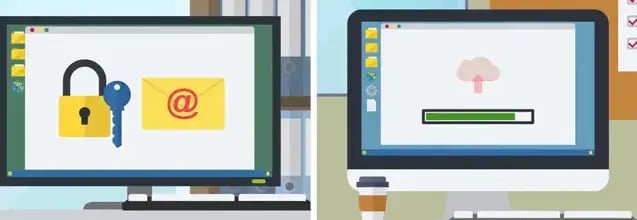
Supply Chain Cybersecurity
This supply chain cybersecurity microlearning compliance course for UK staff touches on vendor risk, cyber tactics, due diligence and breach response.

Secure Web Browsing
The web is the most common route into a business. Browse safely, spot the warning signs and avoid the traps most people miss.

Tailgating and Piggybacking
Hold the door open, or not? Tailgating and piggybacking: microlearning course for UK staff on physical security, access controls and employee vigilance.

Information Security on the Move
Trains, hotels and airports are where information leaks. Protect your devices and data when working away from the office.

Information Classification
Label it and protect it, with this information classification microlearning compliance course for UK staff on data security, GDPR and information security.

Reacting to Password Breaches
Compromised credentials rarely announce themselves. Spot the warning signs and act quickly to close down access before it is used.

Multi-factor Authentication
One lock, two, or more? Multi-factor authentication microlearning compliance course for UK staff on 2FA, MFA, passwords, cybersecurity and digital security.

Creating Strong Passwords
Weak passwords fall in seconds. Build ones that resist brute force attacks and are still possible to remember.

Vishing
Hello, who’s really calling? Microlearning compliance course for UK staff on vishing – social engineering phone scams – caller ID spoofing and impersonations.

Video Conferencing
Meetings leak more than people realise. Use approved software, control access and keep confidential material off the shared screen.

Spear Phishing
Our spear phishing microlearning compliance training for UK staff covers personalised attacks, spoofing, urgent requests and security breach claims.

Smishing
A text message is easier to trust than an email, which is the point. Spot smishing attempts and stop before you tap the link.

Ransomware
Locked out of your files? This ransomware microlearning compliance course for UK staff touches on phishing, cybersecurity, backups and detection.

Malware
Malware arrives disguised as something useful. Recognise the main types, understand how they spread and know when to call IT.

Device Hygiene
Clean, secure devices, safer data. Device hygiene microlearning compliance course for UK staff covering cybersecurity, malware prevention and cyber threats.

Bring Your Own Device Security
Personal devices carry company data home. The precautions that keep BYOD convenient without handing attackers an easy route in.

Zero Trust Cybersecurity
Zero trust cybersecurity microlearning course for UK staff on network security, access controls, device security, data protection and more.

Data Protection Impact Assessments
Think before you process with this data protection impact assessment (DPIA) microlearning compliance course for UK staff on risks and documentation.

Understanding Facilitation Payments
A small payment to speed things along is still a bribe. Recognise the demand, understand the legal risk and know how to refuse it.

Understanding Sexual Harassment
Help staff recognise verbal, non-verbal and physical forms of sexual harassment and understand how to report concerns.

Personal Data Breaches
Breaches happen through error as often as attack. Recognise one, understand the risk and follow the reporting route before the clock runs down.

Understanding the GDPR
Understanding the GDPR: microlearning compliance course on the principles UK staff need to know, covering security, data breaches and data processing.

Preventing Tipping Off
Saying too much to a customer under investigation is an offence. Handle their questions without breaching anti-money laundering law.

Common Cyber Threats
Phishing, malware, ransomware and open networks. Recognise the threats most likely to reach your team and the habits that stop them.

The Three Stages of Money Laundering
Steps to clean cash: three stages of money laundering microlearning compliance course for UK staff covering topics like red flags and criminal activities.
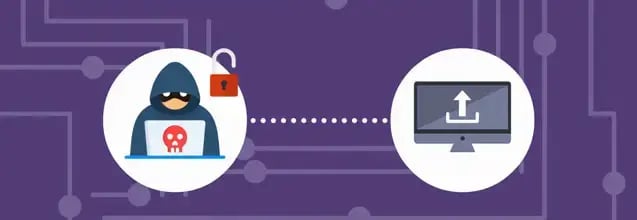
Understanding Information Security
Understand information security with this microlearning compliance course for UK staff, including data protection, IT security and password protection.

Horizontal Agreements
Agreements between competitors carry the heaviest penalties in competition law. Recognise what counts and avoid it in ordinary conversation.

Deepfake Awareness
A convincing voice on a call may not be a person. Recognise deepfake scams and verify audio and video requests before you act.

Interacting on Social Media
Online, you represent your employer whether you intend to or not. Engage responsibly and keep confidential information off your feed.

Forced Labour Indicators
The ILO lists 11 indicators of forced labour. Learn to recognise them and know the steps to take if you suspect exploitation.

Understanding Harassment
Respectful workplaces don't happen by accident. Learn how to recognise harassment, understand its impact and respond appropriately when concerns arise.

Crossing the Line into Sexual Harassment
This crossing the line into sexual harassment microlearning compliance training for UK staff covers topics such as unwelcome behaviour and prevention.

Targets of Sexual Harassment
Anyone can be affected by sexual harassment. Learn how to recognise inappropriate behaviour, understand its impact and access support when concerns arise.

Failing to Disclose Information
Learn how what you leave out matters with this failing to disclose information microlearning compliance course for UK staff.

Compliments vs Sexual Harassment
Kind words or crossed lines? Compliments vs. sexual harassment microlearning e-learning for UK staff on boundaries, behaviour and awareness.

Foreign Agent Bribery Risk
A real scenario where warning signs were ignored. See how third-party agents create bribery exposure and what due diligence would have caught.

Understanding Conflicts of Interest
Judgement bends before anyone notices. Recognise competing interests, understand where bias creeps in and disclose what needs disclosing.

Manual Handling
Lifting badly once can cause damage that lasts. Safe technique for lifting, carrying, pushing and pulling, in five minutes.

Slips and Trips
A wet floor causes more harm than most people assume. Spot the hazards, follow the procedures and report what needs fixing.

Identity Fraud
Identity fraud starts with stolen information. Learn how criminals obtain personal data, recognise warning signs and protect customer and business information.

Display Screen Equipment
Five minutes to set up your desk properly. Monitor height, keyboard position and the habits that keep strain from becoming injury.

Understanding Fraud
Many faces of fraud in minutes. Understanding fraud microlearning compliance training on credit card fraud, abuse of position and types of fraud.

Speak Up
Speaking up protects people, organisations and workplace culture. Learn how to recognise concerns, overcome barriers to reporting and raise issues with confidence.

Business Email Compromise
Who really sent that email? Business email compromise microlearning compliance course for UK staff on CEO fraud, BEC scams and cyberattack risks.

Money Laundering Red Flags
Suspicious transactions look ordinary until you know the pattern. Recognise common red flags and follow the reporting route that applies.

Understanding Sanctions
Who can you deal or trade with? This sanctions microlearning course for UK staff touches on sanctions lists, as well as sanctioned countries and goods.

Whistleblowing
Reporting wrongdoing protects the organisation as much as the person. How the process works and the protections you can rely on.

Abuse of Position
Positions of trust can be abused for personal gain. Learn how to recognise fraud by abuse of position, spot warning signs and report concerns confidently.

Spot a Phishing Attempt
Five minutes that could stop a breach. Check the details in a suspicious email, verify before acting and protect company data.

Gifts and Hospitality
A gift that looks generous can look very different later. Assess proportionality, record what you accept and stay inside your policy.

Understanding Bribery
Bribery is rarely a brown envelope. Recognise the subtler forms, from lavish gifts to preferential treatment, and know how to resist them.

Understanding Modern Slavery
Five minutes on the signs that matter. Recognise forced labour and exploitation in operations or supply chains, and report a suspicion properly.