

By topic
Filtered courses
No courses found
Sorry, there are currently no courses that match your current filters. Please try again.

10 Essential Office Hygiene Practices
Hygiene is a key factor in maintaining a clean, safe and healthy workplace.

10 Steps to Healthy Working
A fast-paced work environment can take a toll on physical and mental health if risks are not managed.

A brief history of insurance regulation in the UK
The UK’s rich insurance history has shaped modern regulations that maintain fairness and stability in the market.

Abuse of Dominant Position
Companies with significant market power must compete fairly without distorting competition.


Abuse of Position
Fraud by abuse of position occurs when someone in a position of trust dishonestly exploits their role for personal gain or to cause loss to others.




Accident Reporting and Investigation
Learn how to pinpoint incidents that need reporting, understand the depth of causes from immediate to root, differentiate active from latent failures, and confidently navigate the HSE's six-step accident investigation.

Advanced Food Safety
Food safety hazards can arise at any stage of the food supply chain, from sourcing to sale.

Advising Customers on Cybersecurity
Cybersecurity is everyone's responsibility, including guiding customers to protect themselves from online threats.

Agency authority in insurance
Agency is a relationship where an insurer appoints an agent to act on its behalf.

Agency in insurance
An agency relationship in insurance allows one party to act on behalf of another, typically a principal engaging an agent.


Agency Worker Regulations
Agency workers have specific rights under the Agency Workers Regulations, ensuring fair treatment in workplaces.

Alcohol Licensing
The sale and supply of alcohol in England and Wales is regulated by licensing laws.

AML and CTF for Charities
Charities can inadvertently become vehicles for money laundering and terrorist financing, threatening their integrity and compliance.

AML for Law Firms
Money laundering is a process used to disguise the criminal origin of illicit funds.



Anti-Bribery for Charities
Bribery in the charity sector can take subtle and complex forms, from cash payments to promises of preferential treatment.


Anti-Competitive Agreements
Competition laws ensure fair business practices by preventing anti-competitive agreements that restrict market competition.

Anti-competitive Agreements
Competition laws ensure fair business practices by preventing anti-competitive agreements that restrict market competition.

Anti-Facilitating Tax Evasion for Law Firms
Failure to prevent the facilitation of tax evasion is a corporate offence under the Criminal Finances Act 2017.


Anti-Money Laundering [Non-financial services version]
To prevent the proceeds of crime from finding their way into the formal economy, most countries have extremely tough laws with severe penalties.




Anti-Money Laundering and Counter-Terrorist Financing
Like most countries, the UK has enacted tough anti-money laundering (AML) and Counter-Terrorist Financing (CTF) laws with severe penalties.







Asbestos
Educate your staff on the risks posed by asbestos, the controls your Organisation has in place, and what you should do to manage these risks and stay safe.

Authorised Push Payment Fraud
Authorised push payment fraud occurs when scammers impersonate trusted figures to trick individuals into transferring money.

Avoiding Bribery for Law Firms
Bribery and corruption can damage reputations, lead to criminal liability, and undermine public trust in the legal profession.


BCOBS - Distance Communications [Mutual]
The Banking Conduct of Business Sourcebook (BCOBS) applies to all firms accepting deposits from banking customers in the UK.


BCOBS - General Standards [Mutual]
The FCA Banking Conduct of Business Sourcebook (BCOBS) applies to all firms that accept deposits from banking customers in the UK.



Bribery Offences and Penalties
Bribery is a serious offence that carries severe consequences for individuals and companies.



Bribery Prevention
Bribery laws are tightening up, creating a greater need than ever for compliance procedures relating to gifts, hospitality, expenses, donations, recruitment, client acquisition and partnerships.



Bring Your Own Device Security
Bring Your Own Device (BYOD) policies offer convenience and flexibility but also introduce cybersecurity risks.



Business Email Compromise
Business Email Compromise (BEC) is a targeted cyberattack where criminals impersonate executives or hack accounts to steal money or sensitive information.

Business Email Compromise
Business Email Compromise (BEC) is a targeted cyberattack where criminals impersonate executives or hack accounts to steal money or sensitive information.



Car Finance Mis-selling
The Financial Conduct Authority banned discretionary commission arrangements in car finance due to concerns about unfair interest rates.

Cartels
Competition in a free market encourages businesses to innovate, improve quality and reduce prices for consumers.


CASS 15 - Payment Services and Electronic Money: Relevant Funds
CASS 15 introduces a strengthened safeguarding regime for payment services and electronic money firms, designed to better protect customer funds in the event of firm failure.





CASS 8 - Mandates
Under the requirements of CASS 8, you must understand what a mandate is and how to deal with them.


CASS 9 - Information to Clients
Under the requirements of CASS 9, you are required to pass on certain information to clients, particularly where prime brokers, custody assets and client money are concerned.



Categories of Risk
Businesses encounter multiple categories of risk that can impact their operations, reputation and financial health.


CEO Fraud
CEO fraud is a type of Business Email Compromise where cybercriminals impersonate executives to trick employees into making payments or sharing confidential information.

Charity Purposes and Rules
Charities in the UK must operate within their defined purposes as set out in their governing documents, ensuring all activities align with these objectives.










Common Cyber Threats
Cyber threats such as phishing, malware, ransomware and unsecured networks pose significant risks to businesses.

Communicating with the Charity Commission
Effective communication with the Charity Commission is essential for compliance, transparency and maintaining public trust.


Competition Law
Any concerted action, exchange of information or 'meeting of minds' may be illegal collusion, a serious crime that may lead to big fines and long prison sentences! Our Competition Law Compliance Course will help your employees to understand anti-competitive practices, how to avoid them, and why they should speak up if they see anti-competitive behaviour.

Competition Law
Any concerted action, exchange of information or 'meeting of minds' may be illegal collusion, a serious crime that may lead to big fines and long prison sentences! Our Competition Law Compliance Course will help your employees to understand anti-competitive practices, how to avoid them, and why they should speak up if they see anti-competitive behaviour.





Compliments vs Sexual Harassment
Genuine compliments can be part of a positive workplace, but inappropriate remarks can cross the line into sexual harassment.


CONC - Consumer Credit Regulations
The FCA's Consumer Credit sourcebook (CONC) applies to all firms engaged in credit-related regulatory activities in the UK.


Conduct Risk
The FCA focuses on good customer outcomes and how a firm achieves this through staff conduct at all levels of the business.

Conduct Rule 1: Act with Integrity
Integrity is a fundamental principle in financial services, ensuring ethical conduct and maintaining customer trust.

Conduct Rule 2: Act with due skill, care and diligence
People working in financial services must act with due skill, care and diligence, ensuring their actions do not harm customers or the financial system.

Conduct Rule 3: Be open and cooperative with the FCA, the PRA and other regulators
Financial services firms and employees must be open and cooperative with regulators, including the Financial Conduct Authority and the Prudential Regulation Authority.

Conduct Rule 4: Pay due regard to the interests of customers and treat them fairly
Financial services professionals must always act in the best interests of customers and ensure they are treated fairly.

Conduct Rule 5: Observe proper standards of market conduct
Financial markets rely on trust, integrity and adherence to established rules and ethical behaviour.

Conduct Rule 6: Act to deliver good outcomes for retail customers
Financial services professionals must act in good faith, prevent foreseeable harm and support customers in achieving their financial objectives.
-ID.webp?)






Conflicts of Interest for Law Firms
Conflicts of interest can arise when a solicitor’s duties to one client conflict with duties owed to another, or when personal interests interfere with professional judgment.




Contract Certainty
Contract certainty means that each party will know the exact details of a product at the time when it is being sold, without there being any misunderstandings at a later date It was developed in response to regulatory concerns about the 'deals now – details later' culture of the insurance industry.
-ID.webp?)
_ID.webp?)
Control of Substances Hazardous to Health (COSHH)
Educate your staff on the risks of using hazardous substances as well as what they should do to prevent accidents and incidents when using them.

Controllers and Processors
The differences between data controllers and data processors are crucial to understanding data protection obligations.

Corrupt Hiring Practices
Bribery risks in hiring arise when jobs or internships are offered in exchange for business favours or political influence.


Corrupt Hiring Practices
Diligence in hiring new employees is no longer limited to education, experience and references.

COSHH
Exposure to hazardous substances in the workplace can cause serious health conditions, including respiratory diseases and skin disorders.





Creating Strong Passwords
Strong password protection is essential to safeguarding company systems from cyber threats such as brute force attacks and password guessing.

Credit Risk
Credit risk is the potential financial loss that arises when customers, suppliers or partners fail to meet their financial obligations.



Crossing the Line into Sexual Harassment
Sexual harassment is not limited to physical actions but can also involve words, gestures and persistent unwanted attention.


Customer Due Diligence
Bring "Customer Due Diligence" training to life using animation characters and storylines.

Customer Fraud
Customer fraud poses serious risks to businesses, from chargeback fraud to false complaints.




Cybersecurity
Educate your staff on how to recognise cybersecurity risks, where they are likely to originate, how to combat them, and the support systems your Organisation has in place in the event of a cybersecurity incident.


Cybersecurity for Law Firms
Law firms are prime targets for cyberattacks due to the sensitive data they hold.


Data Protection
Data protection relates to how personal and sensitive data is collected, used and stored by all organisations.


Data Protection for Charities
Handling personal data is a critical responsibility for charities, governed by data protection laws and essential for maintaining trust.

Data Protection Impact Assessments
Data Protection Impact Assessments (DPIAs) are used to evaluate our data processing activities and mitigate risks to individuals.

Dawn Raids
A dawn raid is an unannounced investigation by a regulator or law enforcement agency, often related to suspected financial crimes or anti-competitive practices.

Dealing With Stress at Work
Workplace stress can arise from tight deadlines, high-pressure environments and personal challenges.

Deepfake Awareness
Deepfakes use artificial intelligence to create fake images, audio or videos that can deceive individuals and organisations.



Device Hygiene
Device hygiene is the practice of keeping digital devices secure and free from cyber threats to protect company data and networks.
-ID.webp?)
_ID.webp?)
-ID.webp?)
Digital Operational Resilience Act (DORA)
This course on the Digital Operational Resilience Act (DORA) covers key requirements for ICT risk management, incident reporting, resilience testing, third-party risk management, and information sharing, helping employees strengthen cybersecurity and ensure regulatory compliance.

Direct Discrimination
Discrimination occurs when individuals are treated unfairly due to characteristics like sex, age, race or disability.
_ID.webp?)
-ID.webp?)
_ID.webp?)

Display Screen Equipment
Correctly setting up display screen equipment (DSE) is crucial for maintaining comfort and preventing strain or injury.
-ID.webp?)
_ID.webp?)
Display Screen Equipment (DSE)
Educate your staff on the controls that your Organisation has in place and how they can prevent ill-health if they regularly use Display Screen Equipment (DSE) at work.
_ID.webp?)
-ID.webp?)

Don't Deal with Inside Information
Insider dealing occurs when someone uses non-public, price-sensitive information to gain an unfair advantage in financial markets.


Driving at Work
Educate your staff on the controls your Organisation has in place and what they should do to eliminate or manage the risks when driving at work.


DSE
Display screen equipment, or DSE, has become such an integral part of our working lives that it is easy to forget that it can pose a risk to our health.

Economic Crime and Corporate Transparency Act 2023
The Economic Crime and Corporate Transparency Act 2023 expands corporate liability for fraud and financial crimes.


Electricity
Electricity is essential in the workplace, but even minor mistakes can cause serious injuries, fires or fatalities.






Employee Fraud and Insider Threats
Employee fraud can take many forms, from theft and false expense claims to data misuse and conflicts of interest.
%202025-ID.webp?)

Enhanced Customer Due Diligence
Bring "Enhanced Customer Due Diligence" training to life using animation characters and storylines.


Environmental Awareness
From the Extinction Rebellion protests and Greta Thunberg's school strikes to declining sea ice in the Arctic and plastic in our oceans, the environment and climate change are never far from the headlines.
-ID.webp?)
_ID.webp?)



Equality and Diversity for Managers
The Equality Act provides protection against discrimination in respect of nine key characteristics.


Equality and Diversity in the Workplace
Although you may feel that you treat people equally, sometimes your actions might be perceived differently by others, and lead them to feel uncomfortable or discriminated against.

Equality for Law Firms
Equality and diversity are core professional and ethical responsibilities for solicitors.




Failing to Disclose Information
Fraud can occur when someone deliberately withholds information to gain an unfair advantage or cause loss to others.

Failure to Prevent Fraud (FTPF): Offence
Understand the legal implications of the Failure to Prevent Fraud offence and how to ensure compliance in my role.

Failure to Prevent Fraud (FTPF): Prevention
Understand the six principles of fraud prevention to design and support effective anti-fraud controls.

Failure to Prevent Fraud (FTPF): Scope
Understand the scope of the Failure to Prevent Fraud offence and its implications for different types of companies.

Failure to Prevent Fraud (FTPF): Types of Fraud
Understand the various types of fraud that could lead to the Failure to Prevent Fraud offence and how to help prevent them in my role.

False Representation
Fraud by false representation happens when someone deliberately provides misleading or untrue information for personal or financial gain.


Financial Crime Prevention
Financial crime ranges from fraud, tax evasion, bribery, market abuse, insider dealing, money-laundering, to terrorist financing.
%20-ID.webp?)




Fire
Fires pose a serious threat in any workplace, making fire prevention and safety measures essential.




First Aid Awareness
Regardless of whether an injury or illness has been caused by work, it is important that employees receive immediate support.


Food Allergies and Natasha's Law
Food allergies can be life-threatening and businesses have a legal responsibility to provide clear allergen information.

Food Safety
Food safety is vital to ensure that what we eat is safe, of good quality and correctly labelled.

Food Waste
Food waste can occur at every stage of food handling, from storage and preparation to service.

Forced Labour Indicators
Forced labour is a serious violation of human rights, often hidden within workplaces and supply chains.

Foreign Agent Bribery Risk
Operational risk in financial services arises from internal process failures, people, systems or external events.

Fraud Offences and Penalties
Fraud is any dishonest action or omission intended to gain or cause a loss, regardless of whether it is temporary or permanent.




Fraud Prevention
Fraud is criminal or deceptive behaviour aiming to secure an unfair or unlawful gain through deliberate or dishonest misrepresentation.

Fraud Prevention
Fraud is criminal or deceptive behaviour aiming to secure an unfair or unlawful gain through deliberate or dishonest misrepresentation.



Fraud Prevention for Managers
The consequences of fraud are very serious for both organisations and employees alike.


Functions within insurance firms
Insurance firms perform a variety of functions to create and distribute products, manage risk and serve policyholders.


GDPR and Consent
Consent is one of the six lawful bases for processing personal data under the GDPR, requiring individuals to give clear, informed and voluntary agreement.

GDPR Awareness for Hospitality
Protecting customer data is essential in the hospitality sector, from making reservations to processing payments.

GDPR Individual Rights
The General Data Protection Regulation (GDPR) grants individuals eight specific rights over their personal data, ensuring transparency and control.

GDPR International Transfers
The international transfer of personal data is restricted to ensure individuals' privacy rights are protected when data is sent abroad.

GDPR Lawful Bases for Processing
The General Data Protection Regulation (GDPR) requires organisations to have a lawful basis for processing personal data, chosen from six legal grounds.

GDPR Legitimate Interests
Legitimate interests is a flexible lawful basis for processing personal data, but it requires balancing business needs with individuals' rights.

GDPR Principle 1
The first principle of the GDPR requires that personal data must be processed lawfully, fairly and transparently.

GDPR Principle 2
The second principle of the GDPR, purpose limitation, requires that personal data be collected for specified, explicit and legitimate purposes.

GDPR Principle 3
The third principle of the GDPR, data minimisation, requires that personal data collected must be adequate, relevant and limited to what is necessary.

GDPR Principle 4
The fourth principle of the GDPR, accuracy, requires that personal data must be correct, up to date and not misleading.

GDPR Principle 5
The fifth principle of the GDPR, storage limitation, requires that personal data be retained only for as long as necessary for its intended purpose.

GDPR Principle 6
The sixth principle of the GDPR, integrity and confidentiality, requires that personal data be protected against unauthorised access, loss or damage.

GDPR Principle 7
The seventh principle of the GDPR, accountability, requires organisations to take responsibility for compliance and demonstrate good governance in data protection.

GDPR Subject Access Requests
Individuals have the right to access their personal data and organisations must respond to subject access requests (SARs) within legal timeframes.
_ID.webp?)
-ID.webp?)



General Office Hygiene
Educate your staff on general office hygiene protocols to reduce common viruses and infections from spreading at the workplace.


Gifts and Hospitality
Gifts and hospitality can create a risk of actual or perceived bribery if not handled correctly.

Gifts and Hospitality
Gifts and hospitality can create a risk of actual or perceived bribery if not handled correctly.

Gifts and Hospitality for Charities
Gifts and hospitality can pose a risk of actual or perceived bribery in the charity sector.



Good Outcomes for Vulnerable Customers
Companies have a legal obligation to ensure that vulnerable individuals do not suffer any detriment and are given the appropriate level of care.

Guide to Secure Remote Working
Remote work provides flexibility but also introduces cybersecurity risks that can compromise company data and systems.

HACCP Awareness
Food safety hazards can occur at any stage, from food production to sale, and may involve biological, chemical or physical risks.




Harassment in the Workplace
Harassment is never far from the headlines these days, with allegations of inappropriate behaviour at companies and elsewhere.


Healthy Working
Wherever you work, there are physical and mental health risks.

Horizontal Agreements
Competition drives innovation, fair pricing and better services for customers.




ICOBS - Cancellation and Claims [Mutual]
The Insurance Conduct of Business Sourcebook (ICOBS) applies to all non-investment insurance businesses.



ICOBS - Distance Communications [Mutual]
The Insurance Conduct of Business Sourcebook (ICOBS) for distance communications applies to all insurance firms that engage in distance marketing activity in the UK.



ICOBS - General Matters [Mutual]
The Insurance Conduct of Business Sourcebook (ICOBS) for general matters applies to all firms engaged in the insurance business.



ICOBS - Providing Information and Advising [Mutual]
The Insurance Conduct of Business Sourcebook (ICOBS) for Providing Information and Advising applies to insurance intermediaries.

Identifying Who is Vulnerable
Vulnerable individuals are those who face heightened risks of harm, abuse, neglect or exploitation due to various circumstances.


Identity Crime
Identity crime accounts for over 40% of fraud cases and has increased dramatically in recent years.

Identity Fraud
Identity fraud occurs when criminals steal personal information to commit fraud, often leading to financial loss and reputational damage.

Indirect Discrimination
Indirect discrimination occurs when seemingly neutral policies disadvantage certain groups based on protected characteristics like age, sex, disability, race and religion.



Information Classification
This training helps employees understand different levels of information classification, their restrictions and how to handle data securely.




Information Security
The loss or theft of commercially sensitive information may damage revenues, reputation and service user trust.


Information Security on the Move
Handling company information securely, especially when working remotely or traveling, is essential to prevent data breaches and security risks.


%20-ID.webp?)


Interacting on Social Media
Social media offers great opportunities for communication, but it also presents risks to data protection, security and reputation.



Introduction to the Consumer Duty
The Consumer Duty is a set of rules that regulated firms need to follow in order to ensure these firms are fair to customers for the entirety of their relationship with them.

-E.webp?CR)-E.webp)


Introduction to UK Financial Regulation
Educate your employees on how the UK's financial services industry is regulated.


IR35
IR35 is a UK tax rule designed to ensure that contractors using intermediaries like personal service companies (PSCs) pay similar tax and National Insurance to employees, when appropriate.




Lloyd's of London
Lloyd’s of London is the world’s foremost specialist insurance and reinsurance marketplace.


Making Decisions at a Charity
Charity decision-making must be guided by principles that ensure actions are within the charity's powers, aligned with its purpose and in its best interests.

Malware
Malware is malicious software designed to harm or exploit computer systems, ranging from viruses and ransomware to spyware and botnets.

Managing Absence
Absences from work can occur for many reasons, ranging from illness to personal leave.

Managing Charity Finances
Managing charity finances requires spending responsibly, transparently and strictly for the charity's purpose.


Managing Conflicts of Interest in a Charity
Conflicts of interest, whether actual or perceived, can harm a charity's decision-making and credibility.

Managing Discipline
Disciplinary procedures address workplace misconduct and poor performance through a fair and structured process.

Managing Grievances
Workplace grievances are concerns or complaints related to job tasks, working conditions or interpersonal relationships.

Managing Performance
Performance management is an ongoing process that aligns employee contributions with an organisation’s goals.


Managing Remote Workers
Remote working is a type of flexible working that covers a range of agreements.


Managing Safely
Managers need a deeper understanding of issues, systems and procedures to empower them to deal with the health and safety of their teams.
-ID.webp?)

Mandatory Leave
Mandatory leave is time off that certain organisations enforce to help prevent fraud, errors and other risk incidents.


Manual Handling
Manual handling tasks, such as lifting, carrying, pushing or pulling objects, can lead to injuries if not done correctly.

Manual Handling
Educate your staff on the controls that your Organisation has in place and what measures they should implement to reduce the risks when lifting and handling at work.




-ID.webp?)











Menopause Awareness
Menopause is a natural stage in life that can bring physical and emotional challenges and potentially affect work performance.

Menopause Awareness
Educate your staff on the stages and symptoms of the menopause, how to ensure health and safety related to this topic at the workplace, and what support is available.


Mental Health at Work
Stress, anxiety and depression are major workplace health risks, accounting for over half of work-related ill-health cases.

Mental Health at Work
Stress, anxiety and depression are serious health hazards in the workplace.


Mental Health at Work for Managers
HSE statistics show there were over 820,000 cases of work-related stress, depression or anxiety in 2019-20, resulting in 17.

Minimum Disclosure Rules
The Common Reporting Standard was introduced to prevent offshore tax evasion, but authorities continue to find ways in which it is being circumvented.




Modern Slavery
Modern slavery is a serious crime with harsh penalties.



Money Laundering Red Flags
Detecting and reporting money laundering red flags is essential for maintaining anti-money laundering (AML) compliance.

Money Laundering Red Flags
Detecting and reporting money laundering red flags is essential for maintaining anti-money laundering (AML) compliance.


Multi-factor Authentication
Multi-factor authentication (MFA) enhances security by requiring users to verify their identity through multiple authentication methods.

Neurodiversity Awareness
Misunderstanding neurodiversity can leave employees unsupported and limit workplace potential.

New and Expectant Mothers at Work
When an employee is pregnant or returning from maternity leave, certain legal rights and health considerations apply.


New and Expectant Mothers at Work
Being a new or expectant mother is an exciting time.

Noise
Prolonged or excessive noise can cause stress, hearing damage and other health risks.


Non-Financial Misconduct
Non-financial misconduct is behaviour that is unrelated to regulated activities, including serious offences such as harassment, bullying, sexual discrimination and sexual misconduct The FCA has indicated it is prepared to consider non-financial misconduct when assessing fitness and propriety.

Online Selling Restrictions
Competition law ensures fair sales practices and prohibits restrictions that limit competition.


Operational Resilience
Operational resilience is a requirement for Insolvency II insurers, banks, building societies, investment firms designated by the PRA and other financial institutions.


Operational Risk in Banking
Bring "Operational Risk in Banking" training to life using animation characters and storylines.

Operational Risk in Insurance
Bring "Operational Risk in Insurance" training to life using animation characters and storylines.

Operational Risk in Investment Firms
Bring "Operational Risk in Investment Firms" training to life using animation characters and storylines.





Overview of the Consumer Duty
Learn about the FCA's Principle 12 and the rules that flow from it, and see how you can apply Consumer Duty in your day-to-day work.
%20Regulation-ID.webp?)
%20Regulation%20-ID.webp?)


Payment Services Regulations [Mutual]
The Payment Services Regulations (PSRs) 2017 was introduced in 2018 and set the Payment Services Directive 2 (PSD2) in motion.





Personal Data Breaches
Personal data breaches can occur through hacking, human error or unauthorised access, leading to serious legal and reputational consequences.

Personal Hygiene
Personal hygiene is critical to maintaining food safety and preventing contamination.

Personal Protective Equipment
Personal protective equipment is essential in minimising exposure to workplace hazards but should be the last line of defence.
-ID.webp?)
_ID.webp?)
Personal Protective Equipment (PPE)
Learn about the selection, use, legal requirements and maintenance of PPE to ensure workplace health and safety compliance.

Persons Discharging Managerial Responsibilities
Persons discharging managerial responsibilities are senior individuals in publicly traded organisations who have access to inside information.

Pest and Waste Control
Pests can pose serious risks to food safety, damage premises and harm reputations.


Phishing
It's essential for your employees to know what phishing is, how to spot the signs of an attempt and how to protect themselves and your Organisation.


Political Activity and Campaigning by Charities
Charities in the UK can engage in political activity to support their purpose, provided it remains secondary to their charitable work and complies with legal and ethical guidelines.

Politically Exposed Persons
Politically exposed persons present a high risk of money laundering due to their influence and access to state resources.

Preventing Corporate Fraud
Corporate fraud involves illegal activities committed by an organisation or individuals acting on its behalf.


Preventing Radicalisation
Prevent is a UK initiative whose primary aim is stopping people from becoming terrorists or supporting terrorism.

Preventing Sexual Harassment
Organisations rightly have a zero-tolerance stance on sexual harassment and violations.

Preventing Sexual Harassment for Law Firms
Sexual harassment can take different forms.


Preventing Sexual Harassment for Managers
Develop the ability to identify and address sexual harassment, and learn strategies to promote a respectful and inclusive workplace with this course designed specifically for managers.





Preventing the Facilitation of Tax Evasion [Non-financial services version]
Tax laws don't just apply only to those who deal with calculating or managing taxes.

Preventing Tipping Off
Tipping off is a criminal offence that occurs when someone under investigation for financial crime is made aware of the suspicion against them.
Principle of contribution
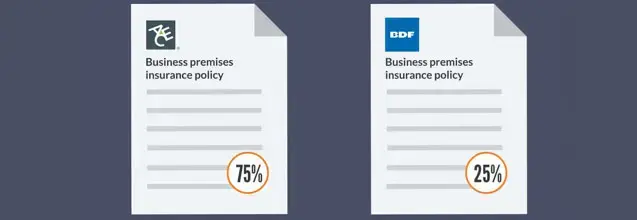
The principle of contribution ensures that an insured party can recover losses from multiple insurers without exceeding the total amount of the actual loss.

Principle of indemnity
Indemnity ensures that an insurer compensates the policyholder only for actual losses incurred, not for any potential gain.

Principle of insurable interest
Insurable interest is the requirement that a policyholder benefits financially from the safety of the insured item or person and suffers a loss if it is harmed.

Principle of proximate cause
Proximate cause determines which event in a chain of incidents is the primary cause of an insurance claim.

Principle of subrogation
Subrogation allows an insurer that pays a claim to step into the policyholder’s shoes to seek reimbursement from the responsible party.

Principle of utmost good faith
Utmost good faith, or "uberrima fides", is a principle in insurance contracts requiring both the insurer and the insured to act honestly and not withhold critical information.

Principles for Businesses
The FCA's Principles for Businesses apply to all financial services firms in the UK regulatory system.

Principles for Businesses [Mutual]
The FCA's Principles for Businesses apply to all financial services firms in the UK regulatory system.

-E.webp?)

Protecting Intellectual Property Rights
Intellectual property (IP) includes original creations such as artistic works, inventions, trademarks and trade secrets that can be owned, licensed or sold.



Ransomware
Ransomware is a type of malware that encrypts files and demands payment for their release, often causing severe financial and operational damage.

Re-insurance
Reinsurance is a financial arrangement where insurance firms transfer some of their risks to specialised reinsurers.

Reacting to Password Breaches
Password breaches can lead to unauthorised access, fraud and data theft, often resulting from weak passwords, phishing or insecure networks.


Resale Price Maintenance
Resale price maintenance involves manufacturers controlling how retailers price their products.





Responsible Use of Artificial Intelligence for Public Sector
Organisations are committed to ensuring the ethical and responsible use of AI technologies.





Right to Work in the UK
Before hiring anyone, it's important to confirm that they have the right to work in the UK.


Right to Work in the UK
There are two key laws that make it harder for people with no right to work in the UK to gain or retain employment.








Risks in the Use of AI
This training highlights how AI can be used effectively while identifying and addressing potential risks.

Risks in the Use of AI
This training highlights how AI can be used effectively while identifying and addressing potential risks.

Safeguarding for Charities and Trustees
Safeguarding involves protecting people from harm, abuse and neglect.

Safeguarding for Law Firms
Safeguarding is about protecting children and vulnerable adults from harm, abuse, or neglect.


Safeguarding the Vulnerable
Certain individuals may be unable to care for or protect themselves due to a mental illness, disability, age or other factors.

Safeguarding Vulnerable Customers
In hospitality, recognising and responding to vulnerable individuals is a vital responsibility.

Screening Employees in Safeguarding Roles
The Safeguarding Vulnerable Groups Act protects children and vulnerable adults from harm by preventing unsuitable individuals from working with them.

SDR and Investment Labels
Sustainability-related claims in financial products must be clear, transparent and backed by evidence.


Secure Web Browsing
Practicing safe web browsing helps to reduce security risks and protect sensitive information.


Senior Management Arrangements Systems and Controls
Educate your senior managers on the responsibilities they under the FCA's systems and controls regime for financial services firms in the UK.

Senior Management Arrangements Systems and Controls [Mutual]
The Senior Management Arrangements Systems and Controls (SYSC) Sourcebook apply to authorised financial services firms.

Sexual Harassment in Hospitality
Sexual harassment can occur in various forms, often creating a hostile or intimidating environment.

Slips and Trips
Slips and trips are among the most common causes of workplace injuries, often resulting in serious harm such as fractures or concussions.


Slips and Trips
Educate your staff on the controls that your Organisation has in place and what they should do to prevent slips and trips at work.


Smishing
Smishing is a targeted phishing scam that uses deceptive text messages to gain sensitive information.

Speak Up
Speaking up against misconduct or unethical behaviour can be challenging, but it is essential to maintaining integrity in the workplace.


Spear Phishing
Spear phishing targets specific individuals with convincing emails designed to deceive them.

Special Category Data
In many workplaces, sensitive data, including special category data, is collected and requires extra care.

Spot a Phishing Attempt
Phishing emails are fraudulent attempts by cybercriminals to trick individuals into revealing sensitive information.

Spot a Phishing Attempt
Phishing emails are fraudulent attempts by cybercriminals to trick individuals into revealing sensitive information.

SRA Accounts Rules
The SRA Accounts Rules set out the principles and requirements for how solicitors and law firms must handle client money.


SRA Disciplinary Procedures
The SRA Disciplinary Procedures outline how the regulator responds to breaches of its rules and standards.

SRA Principles
The SRA Principles form the foundation of professional ethics for solicitors and law firms.

Stereotyping
Stereotypes are generalised beliefs about individuals or groups that can lead to prejudice and bias.

Structure of the UK Insurance Market
The UK insurance market has evolved into one of the most advanced ecosystems globally.

Supplier Fraud
Supplier fraud occurs when vendors engage in deceptive practices, such as false invoicing, overpricing or bribery.

Supply Chain Cybersecurity
A company’s cybersecurity is only as strong as its weakest link and supply chain vulnerabilities can expose businesses to major breaches.


Suspicious Activity Reporting
Employees must report any knowledge or suspicion of money laundering or terrorist financing to the Money Laundering Reporting Officer.
%20and%20Investment%20Labels-ID.webp?)
%20and%20Designated%20Contract%20Markets%20(DCMs)-ID.webp?)

Tailgating and Piggybacking
Cybersecurity is not just about digital protection but also involves securing physical access to critical systems.

Targets of Sexual Harassment
Sexual harassment can occur in various forms and affects everyone in the workplace.

Terrorist Financing Red Flags
Terrorist groups use legal and illegal methods to raise and move funds, often exploiting financial systems to conceal their activities.

The 4D Bystander Intervention Model
Creating a safe and respectful workplace requires everyone to take action when witnessing bullying harassment or inappropriate behaviour.

The Fraud Triangle
Fraud is often committed by ordinary people who find themselves in difficult situations and make poor choices.

The Insurance Distribution Directive
The Insurance Distribution Directive is a European Union and United Kingdom regulation designed to protect consumers in insurance transactions.

The Management of Risk Framework
Risk management is a crucial process that helps identify, assess, mitigate and monitor potential threats to business operations.

The Protected Characteristics
The UK's Equality Act protects individuals from discrimination based on nine protected characteristics, ensuring a fair and inclusive workplace.

The Three Characteristics of Harassment
Harassment in the workplace occurs when unwanted behaviour violates a person's dignity or creates an intimidating or offensive environment.


The Three Lines of Defence Model
Risk management Control environment Risk Risk mitigation Governance Three lines of defence Risk assessment Internal audit Monitoring Compliance.

The Three Stages of Money Laundering
Money laundering is the process criminals use to disguise illicit funds as legitimate income through placement, layering and integration.

The Three Stages of Money Laundering
Money laundering is the process criminals use to disguise illicit funds as legitimate income through placement, layering and integration.
The Tipping Act
Tips, gratuities and service charges are common in the hospitality industry and serve as a reward for good service.


Think Before You Click
Clicking on malicious links or attachments is one of the most common ways cybercriminals infect IT systems with malware.


Third-Party Harassment
Third‑party harassment is unwanted behaviour by someone who is not an employee, such as a customer, supplier, contractor or visitor.




Trade Association Red Flags
Trade association meetings serve legitimate purposes but can pose competition risks if sensitive business information is exchanged.


Training and Competence
Educate your employees on the FCA's rules for training and competence of staff in the financial services business.

Transferring Information Securely
Securely transferring information is essential to protect sensitive data from breaches, legal risks and business disruptions.

Transport
Work-related driving poses significant risks, contributing to a large percentage of road accidents.


Treating Customers Fairly [Mutual]
Treating Customers Fairly (TCF) applies to firms in the financial services industry.


Tying and Bundling
Tying and bundling involve selling a product or service with another commitment or package.


UK GDPR for Law Firms
Law firms handle significant volumes of personal and sensitive data, making compliance with UK GDPR a critical responsibility.



Unconscious Bias
Unconscious bias occurs when we make judgments about people based on past experiences, cultural influences or assumptions.


Unconscious Bias
Unconscious bias is the tendency to perceive and react to people or events in a certain way when making snap decisions or assessments.


Unconscious Bias for Managers
Unconscious bias relating to age, disability, gender reassignment, marriage and civil partnership, pregnancy and maternity, race, religion or belief, sex, and sexual orientation is illegal.

Understanding Bribery
Bribery is not always obvious and can take many subtle forms, from lavish gifts to preferential treatment.

Understanding Bribery
Bribery is not always obvious and can take many subtle forms, from lavish gifts to preferential treatment.

Understanding Conflicts of Interest
A conflict of interest is where competing interests interfere with the exercising of judgement in a relationship.

Understanding Conflicts of Interest
Conflicts of interest arise when personal, professional or financial interests compromise impartiality and decision-making.

Understanding ESG
Companies are increasingly expected to integrate environmental, social and governance principles into their operations to attract investors.

Understanding ESG
Companies are increasingly expected to integrate environmental, social and governance principles into their operations to attract investors.

Understanding Facilitation Payments
Facilitation payments are small, unofficial payments made to speed up routine services, but they are considered bribes under anti-bribery and corruption laws.
-ID.webp?)
%20%5BRefresher%5D_R.webp?)
_ID.webp?)
Understanding Failure to Prevent Fraud (FTPF)
Failure to Prevent Fraud (FTPF) is a corporate offence that holds organisations criminally liable if they do not have reasonable measures in place to stop fraud committed by someone acting on their behalf.
%20for%20Managers_ID.webp?)
%20in%20Financial%20Services_ID.webp?)
Understanding Failure to Prevent Fraud (FTPF) in Financial Services
Failure to Prevent Fraud (FTPF) is a corporate offence that holds organisations criminally liable if they do not have reasonable measures in place to stop fraud committed by someone acting on their behalf.
%20in%20Financial%20Services%20for%20Managers_ID.webp?)
Understanding Failure to Prevent Fraud (FTPF) in Financial Services for Managers
Failure to Prevent Fraud (FTPF) is a corporate offence that holds organisations criminally liable if they do not have reasonable measures in place to stop fraud committed by someone acting on their behalf.
%20in%20Insurance_ID.webp?)
Understanding Failure to Prevent Fraud (FTPF) in Insurance
Failure to Prevent Fraud (FTPF) is a corporate offence that holds organisations criminally liable if they do not have reasonable measures in place to stop fraud committed by someone acting on their behalf.
%20in%20Insurance%20for%20Managers_ID.webp?)
Understanding Failure to Prevent Fraud (FTPF) in Insurance for Managers
Failure to Prevent Fraud (FTPF) is a corporate offence that holds organisations criminally liable if they do not have reasonable measures in place to stop fraud committed by someone acting on their behalf.

Understanding Fraud
Fraud is a deliberate act of deception aimed at obtaining an unfair advantage, often causing harm to individuals or organisations.

Understanding Fraud
Fraud is a deliberate act of deception aimed at obtaining an unfair advantage, often causing harm to individuals or organisations.

Understanding Harassment
Harassment is unwanted conduct that violates a person’s dignity or creates an intimidating or offensive environment.

Understanding Harassment
Harassment is unwanted conduct that violates a person’s dignity or creates an intimidating or offensive environment.
Understanding Information Security
Information security is essential to protect sensitive business and customer data from unauthorised access, breaches and cyber threats.

Understanding Information Security
Information security is essential to protect sensitive business and customer data from unauthorised access, breaches and cyber threats.

Understanding Inside Information
Inside information is precise, non-public information about a financial instrument or issuer that could significantly impact market prices if disclosed.

Understanding Insider Trading
Inside information can significantly impact financial markets and must be handled with strict confidentiality.

Understanding Intellectual Property
Intellectual property rights are exclusive rights that protect creators and inventors, allowing them to benefit commercially from their work.

Understanding Market Abuse
Market abuse distorts financial markets and disadvantages investors.

Understanding Market Abuse
Market abuse distorts financial markets and disadvantages investors.

Understanding Modern Slavery
Modern slavery remains a persistent, inhumane practice affecting millions through forced labour, trafficking and exploitation.

Understanding Modern Slavery
Modern slavery remains a persistent, inhumane practice affecting millions through forced labour, trafficking and exploitation.

Understanding Sanctions
Sanctions restrict business dealings with specific individuals organisations or countries to support global peace, human rights and crime prevention.

Understanding Sanctions
Sanctions restrict business dealings with specific individuals organisations or countries to support global peace, human rights and crime prevention.

Understanding Sexual Harassment
Sexual harassment is unwanted behaviour of a sexual nature that violates a person’s dignity or creates an intimidating, hostile or offensive environment.

Understanding Sexual Harassment
Sexual harassment is unwanted behaviour of a sexual nature that violates a person’s dignity or creates an intimidating, hostile or offensive environment.

Understanding Tax Evasion
Tax evasion is the illegal act of dishonestly reducing tax liability, while tax avoidance involves exploiting legal loopholes.

Understanding Terrorist Financing
Terrorist groups rely on financial support from various sources, both intentional and unintentional.

Understanding Terrorist Financing
Terrorist groups rely on financial support from various sources, both intentional and unintentional.

Understanding the GDPR
The General Data Protection Regulation (GDPR) sets out key principles for handling personal data and protecting individuals' rights.

Understanding the GDPR
The General Data Protection Regulation (GDPR) sets out key principles for handling personal data and protecting individuals' rights.

Unexplained Wealth Orders
Unexplained wealth orders allow law enforcement to seize assets if their owners cannot justify their wealth as coming from a legitimate source.

Unlawful Disclosure of Inside Information
Inside information is precise, non-public information about a financial instrument or issuer that could impact market prices if disclosed.

Unwanted Behaviour of a Sexual Nature
Sexual harassment is unwanted behaviour of a sexual nature that can create an intimidating, degrading or hostile work environment.

Using Wi-Fi safely
Wi-Fi connectivity offers convenience but also exposes devices and data to security risks if not properly managed.

Venue Licensing
Martyn’s Law requires public venues and events to implement security measures to reduce the risk of terrorism and protect people from harm.

Vertical Agreements
Vertical agreements between manufacturers, wholesalers and retailers can restrict competition and harm consumers.

Victimisation
Victimisation occurs when someone is treated unfairly for making or supporting a complaint under the Equality Act.

Video Conferencing
Video conferencing is a vital business tool, but it also presents security and privacy risks if not used correctly.


Violence and Aggression
Educate your staff on the controls your Organisation has in place and what they should do to safely manage situations with the risk of violence and aggression.

Vishing
Vishing is a social engineering attack where cybercriminals use phone calls to trick individuals into revealing sensitive information.

Visual Impairment
Visual impairment covers a wide range of sight conditions that cannot be corrected by usual means, such as glasses, and it affects people in different ways.


Whistleblowing
Whistleblowing is the act of reporting wrongdoing such as fraud, bribery or safety breaches to protect an organisation and its stakeholders.



Whistleblowing
Whistleblowing is the act of reporting wrongdoing such as fraud, bribery or safety breaches to protect an organisation and its stakeholders.

Whistleblowing
Whistleblowing in confidence or anonymously about internal malpractices and external threats is extremely important for the functioning and survival of any organisation.

-ID.webp?)



Work Equipment
Work equipment includes tools, machines and other devices used to perform tasks safely and efficiently.


Work Equipment
Educate your staff on the controls that your Organisation has in place and what measures they should implement to reduce the risks when using equipment at work.


Work-related Stress
Educate your staff on the controls that your Organisation has in place and what they should do to prevent and manage stress in the workplace.




Working Safely
Workplace accidents occur frequently, but many are preventable through awareness and proper safety measures.

Working Safely
Employees need to know how to protect their own health, safety and welfare as well as ensuring they don't cause harm to others.


Zero Trust Cybersecurity
The zero trust cybersecurity model ensures IT systems remain inaccessible by default, requiring strict verification before granting access.

Browse by course library